

How Buyer Expectations Are Changing in Corporate Coaching
The corporate coaching market is undergoing a fundamental reset. Mid-market companies that once hired coaches based on credentials and certifications now demand proof, measurable outcomes, and visible business impact before signing contracts. Understanding how buyer expectations are changing reveals why traditional coaching sales approaches no longer work and what organizations actually need from their coaching partners in 2026.
The Death of Credential Worship in Coaching Procurement
Five years ago, an ICF credential and a polished LinkedIn profile opened doors. Today, procurement teams ask different questions:
- What KPIs will this move?
- Can we see results in 90 days?
- How do you measure engagement impact?
- What happens if we don't see progress?
This shift reflects broader patterns in how modern buyers have become more discerning across professional services. The credential alone proves nothing about a coach's ability to drive business outcomes. Companies want evidence, not degrees.
What Mid-Market Buyers Actually Evaluate Now
| Old Criteria (2020-2022) | New Criteria (2024-2026) |
|---|---|
| ICF certification level | Track record in similar industries |
| Years of experience | Specific outcomes achieved |
| Published books/speaking | Client retention and referral rates |
| Theoretical frameworks | Live coaching demonstrations |
| Long-term contracts | Month-to-month flexibility |
The companies making the smartest coaching investments now request case studies, reference calls with current clients, and trial periods. They evaluate executive coaching cost against projected ROI rather than accepting hourly rates as industry standard.

The Proof-First Buying Journey
How buyer expectations are changing shows up most clearly in the questions HR leaders and operations executives ask during discovery calls:
- Can you coach live in our meetings? They want to see facilitation skills in action, not hear about them.
- What metrics will we track together? Vague promises about leadership development don't cut it.
- How quickly can we course-correct? Month-to-month terms matter more than discounts on annual contracts.
- Who owns the risk? Aligned incentives and performance-based elements signal confidence.
This mirrors the evolving customer expectations documented across B2B services, where buyers expect transparency, flexibility, and shared accountability.
The Rise of Results-Based Engagement Models
Traditional coaching contracts locked companies into 6-12 month commitments with coaches who might disappear after initial assessments. The new model looks different:
Before the engagement:
- Live coaching sample with actual team
- Clear KPI alignment discussion
- Defined success metrics
- Month-to-month commitment only
During the engagement:
- Regular scorecarding against agreed metrics
- Adjustments based on what's working
- Stakeholder check-ins every 30 days
- Exit option if results aren't visible
This shift protects buyers from the coaching industry's dirty secret: many certified coaches can't actually drive business change. Understanding psychology safety at work matters more than understanding coaching competencies when real team dynamics are at stake.
AI and Self-Directed Research Change Everything
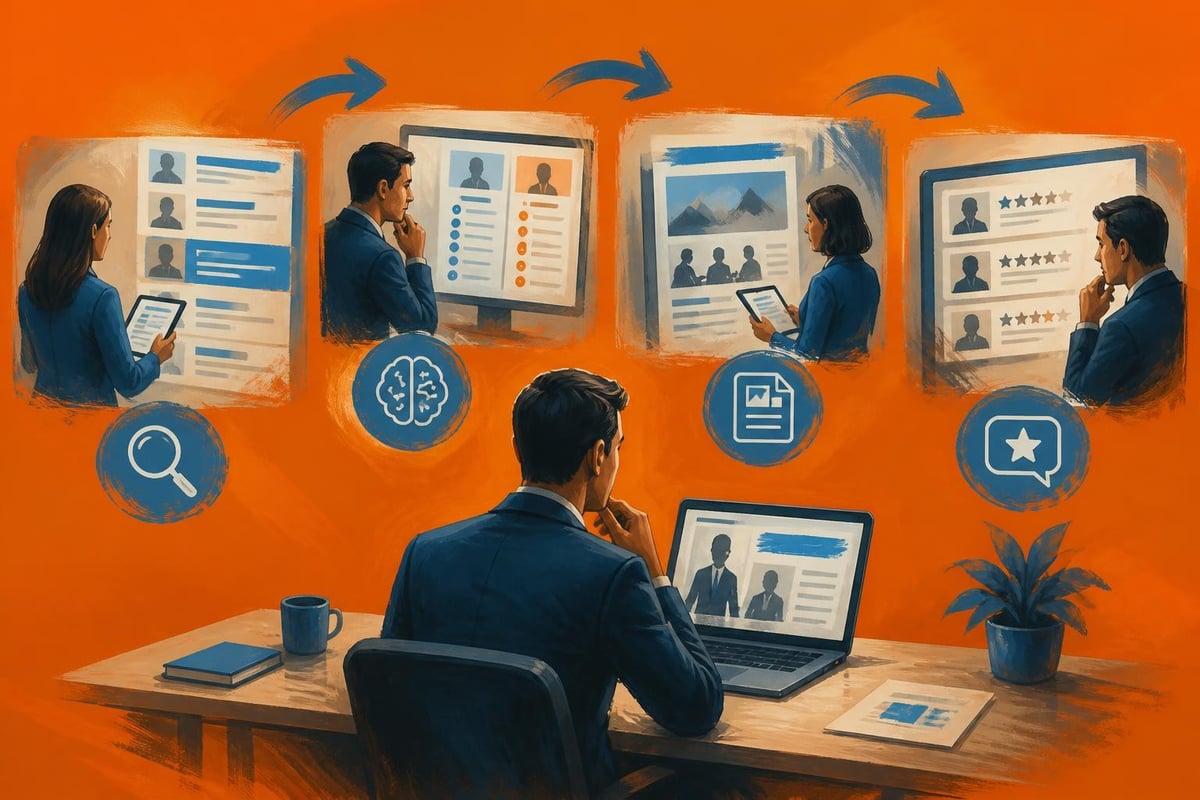
E-commerce reshaping buyer expectations applies equally to coaching procurement. Decision-makers now research thoroughly before reaching out:
- They compare business coaches for entrepreneurs across multiple directories
- They read case studies and client reviews
- They evaluate AI coaching tools as alternatives
- They arrive at conversations already educated
The implication? Generic discovery calls and credential recitations waste everyone's time. Buyers want specific examples of how you've solved problems identical to theirs.
The Three Questions That Reveal True Expertise
When evaluating how buyer expectations are changing, watch for these proof-seeking questions:
"Can you share a situation where coaching didn't work, and what you learned?" This separates honest practitioners from salespeople. Every engagement teaches something, even failures.
"How do you handle a manager who doesn't want to be coached?" Textbook answers fail here. Real experience shows up in specific strategies, not theory.
"What's your take on AI coaching tools versus human coaching?" The best answer acknowledges AI’s role in business coaching while explaining what humans still do better.
The Accountability Gap Most Coaching Firms Ignore
Here's what separates effective coaching partnerships from expensive disappointments in 2026:
| Traditional Approach | Accountability-Driven Approach |
|---|---|
| Monthly 1:1 sessions only | Live facilitation in real meetings |
| Subjective feedback loops | Tied to operating cadence and KPIs |
| Generic leadership theory | Industry-specific challenges |
| Coach availability varies | Consistent touchpoints and adjustments |
Mid-market companies need coaches who understand their business context, not just leadership frameworks. The changing customer expectations documented in B2B marketing apply equally to coaching: personalization, context, and relevance matter more than credentials.
Red Flags That Signal Old-School Coaching
Smart buyers now recognize warning signs that a coaching provider hasn't adapted:
- Emphasis on certifications over client outcomes
- Resistance to KPI discussions or ROI measurement
- Requires long contracts without trial periods
- Can't provide specific industry examples
- Avoids live demonstrations of coaching skill
These patterns indicate a coach selling credentials rather than results. Understanding the four stages of psychological safety means nothing if you can't help a team actually progress through them.
What Works Now: The Evidence-Based Engagement Model
How buyer expectations are changing demands a complete rethink of how coaching firms structure their services. The companies winning coaching engagements in 2026 offer:
Transparent pricing that connects investment to expected outcomes, not hourly rates based on credentials.
Flexible terms that let companies exit if results don't materialize, sharing risk rather than transferring it entirely to the client.
Live demonstrations of coaching capability with actual team dynamics, not role-play scenarios.
Industry-specific expertise that addresses real challenges in their sector, with case studies from similar companies.
Integrated approach that connects coaching to existing operating systems, KPIs, and business priorities rather than operating as a standalone development program.
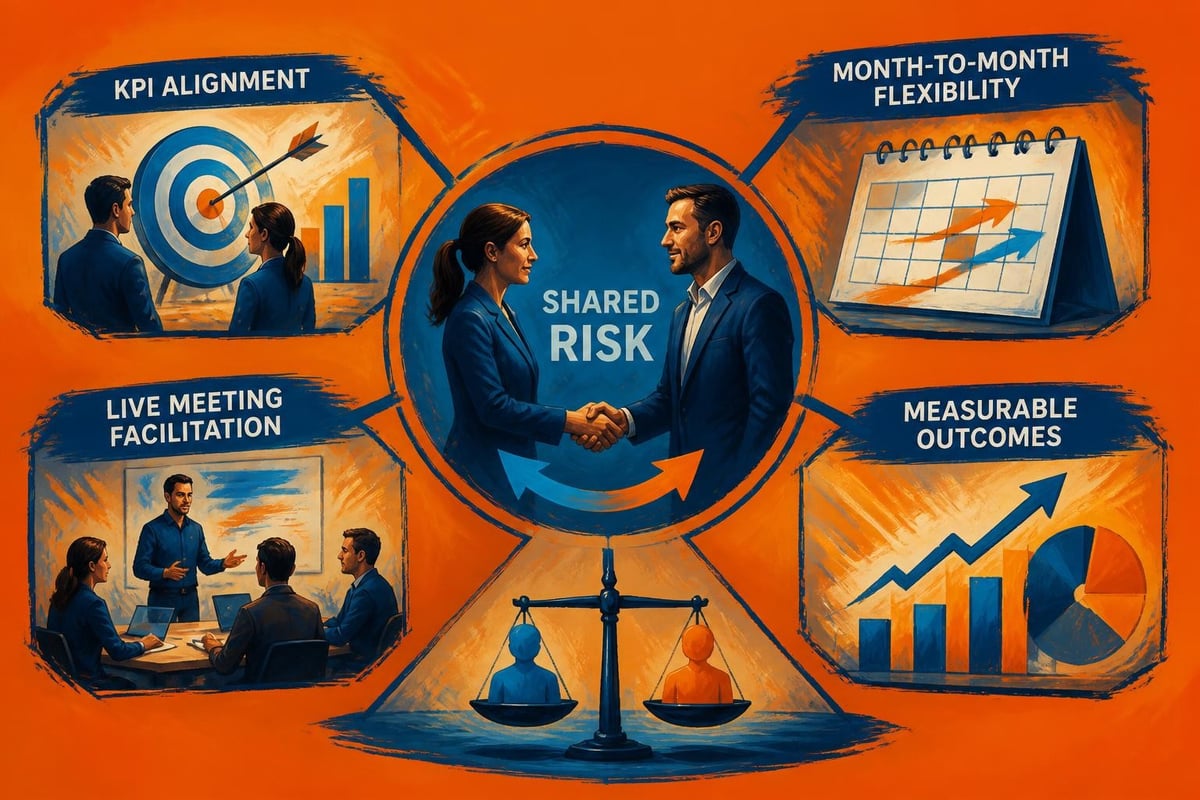
This aligns with how B2B buyer expectations are evolving across professional services: buyers want providers who act as true partners, not vendors.
FAQ
What do corporate buyers look for in coaches now versus five years ago?
Buyers now prioritize measurable business outcomes, industry-specific experience, and flexible engagement terms over credentials and certifications. They want to see proof of results in similar companies before committing.
How can companies evaluate coaching effectiveness before signing a contract?
Request live coaching demonstrations with your actual team, ask for case studies from similar industries, conduct reference calls with current clients, and insist on trial periods or month-to-month terms before longer commitments.
Why are credentials less important in coaching selection now?
Credentials prove training completion, not coaching effectiveness or business impact. Mid-market buyers learned that certified coaches often lack practical experience driving measurable change in corporate environments.
What KPIs should companies track during coaching engagements?
Track metrics tied to your specific goals: manager retention rates, decision velocity, employee engagement scores, sales performance, project completion rates, or cross-functional collaboration measures. Choose 3-5 metrics you can measure quarterly.
How long should companies wait to see coaching results?
Initial behavioral changes should appear within 30-45 days. Measurable business impact on key metrics typically shows within 90 days. If you see no progress in three months, the engagement isn't working.
What's the difference between traditional and accountability-driven coaching?
Traditional coaching relies on scheduled 1:1 sessions and subjective feedback. Accountability-driven coaching includes live facilitation in real meetings, ties progress to business KPIs, and integrates with existing operating systems and scorecards.
Should companies consider AI coaching tools instead of human coaches?
AI tools work for self-directed learning and skill building but can't facilitate live team dynamics, read subtle cultural issues, or adapt strategies based on organizational politics. The best approach often combines both.
What are red flags when evaluating coaching providers?
Watch for emphasis on credentials over outcomes, resistance to discussing ROI or KPIs, requirements for long contracts without trials, inability to provide industry-specific examples, and avoidance of live coaching demonstrations.
How can mid-market companies avoid expensive coaching mistakes?
Start with month-to-month terms, define success metrics upfront, request case studies from similar companies, conduct trial sessions before committing, and choose coaches who share risk through performance elements or flexible exits.
Corporate buyers no longer accept coaching based on credentials and promises. They demand proof, flexibility, and measurable business impact tied to clear KPIs. If you're ready for coaching that drives visible results in your mid-market organization through live facilitation, accountability systems, and month-to-month commitment, Noomii connects you with coaches who share the risk and deliver outcomes you can track.



Leave a Reply
Want to join the discussion?Feel free to contribute!