Experts on Leadership: Evidence-Based Insights for 2026
Leadership challenges in 2026 demand more than conventional management training. Organizations now face complex issues ranging from hybrid team dynamics to accelerating digital transformation, requiring insights from experts on leadership who combine empirical research with practical application. These specialists understand that effective leadership development requires precision diagnostics, evidence-based interventions, and measurable outcomes that align with organizational compliance and strategic objectives.
What Defines True Experts on Leadership
Genuine leadership authorities distinguish themselves through rigorous research credentials, extensive field experience, and proven methodologies that produce quantifiable results. These professionals don't rely on anecdotal wisdom or motivational platitudes.
Research-Backed Credentials and Methodologies
Experts on leadership ground their practice in empirical studies and validated frameworks. The Center for Creative Leadership’s research collection demonstrates how top practitioners integrate findings from organizational psychology, behavioral science, and neuroscience into coaching interventions. Their work emphasizes competencies like emotional intelligence, strategic thinking, and adaptive capacity.
Academic rigor matters significantly. Research examining emotional intelligence in leadership reveals that EI competencies directly influence team effectiveness and organizational outcomes. Leading experts translate these findings into diagnostic tools that identify specific behavioral patterns requiring intervention.
Key markers of leadership expertise include:
- Publication in peer-reviewed journals and recognized industry platforms
- Development of proprietary assessment instruments validated through longitudinal studies
- Documented success across multiple organizational contexts and sectors
- Integration of compliance standards and governance frameworks
- Measurable client outcomes tracked through defined KPIs
The distinction between credible experts and self-proclaimed thought leaders becomes evident when examining methodology. True authorities provide transparent processes, replicable results, and evidence-based interventions rather than generic advice.

The Role of Experts in Diagnosing Leadership Challenges
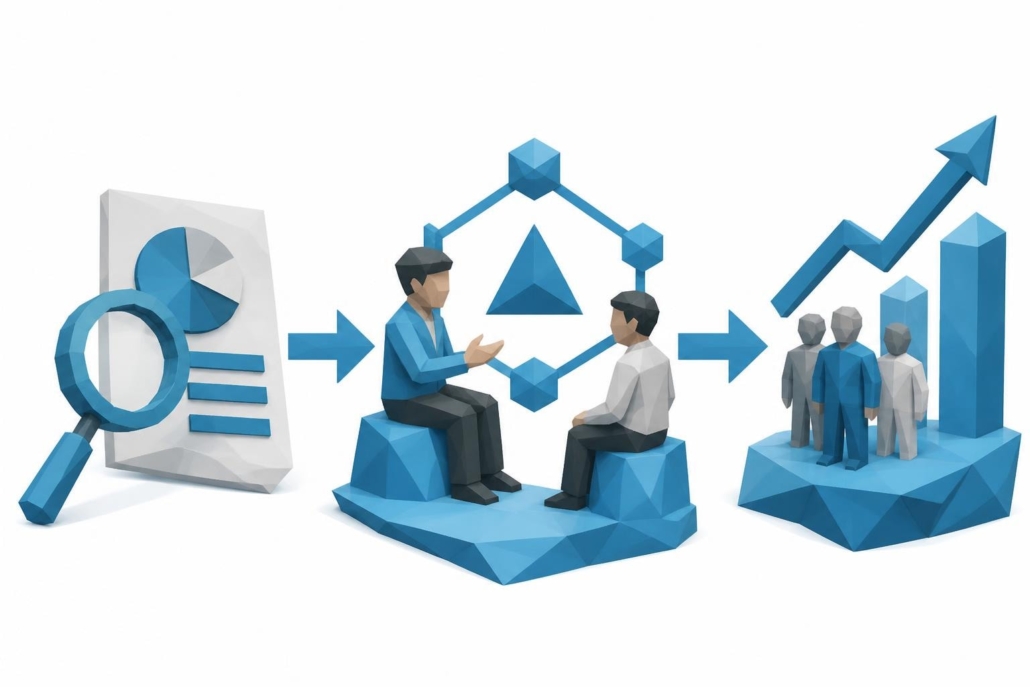
Precision diagnostics separate effective leadership development from generic training programs. Experts on leadership employ sophisticated assessment tools that reveal underlying patterns contributing to organizational dysfunction.
Identifying Toxic Leadership Patterns
Understanding toxic leadership behaviors requires specialized expertise in organizational psychology and systemic analysis. Experts recognize that destructive leadership manifests through specific patterns: micromanagement that stifles innovation, inconsistent decision-making that erodes trust, or aggressive communication that creates psychological unsafety.
The diagnostic process involves multiple data sources:
- Validated psychometric assessments measuring personality traits, emotional intelligence, and leadership competencies
- 360-degree feedback instruments capturing perspectives from direct reports, peers, and supervisors
- Behavioral observation protocols documenting specific actions and their organizational impact
- Cultural health indicators measuring engagement, psychological safety, and team dynamics
- Performance metrics analysis correlating leadership behaviors with business outcomes
| Assessment Type | What It Measures | Primary Use Case |
|---|---|---|
| Psychometric Testing | Personality traits, cognitive abilities, behavioral tendencies | Individual leader selection and development |
| 360-Degree Feedback | Multi-rater perceptions of leadership effectiveness | Comprehensive performance evaluation |
| Cultural Diagnostics | Team dynamics, psychological safety, engagement levels | Organizational health and intervention planning |
| Competency Mapping | Specific leadership skills against role requirements | Gap analysis and targeted development |
Research on shared leadership in scientific teams demonstrates how experts analyze leadership distribution and its impact on innovation. This sophistication extends to identifying when centralized versus collaborative leadership structures serve organizational objectives.
Matching Expertise to Organizational Context
Not all leadership challenges require the same specialist. Experts on leadership understand that government agencies face fundamentally different constraints than Fortune 500 companies or healthcare organizations.
Government leaders need experts who comprehend mission-driven cultures, public accountability standards, and complex stakeholder ecosystems. Top executive coaching firms serving public sector clients bring experience with regulatory compliance, transparency requirements, and civil service frameworks.
Corporate environments demand specialists who understand competitive pressures, shareholder expectations, and rapid market adaptation. These experts help executives navigate strategic pivots while maintaining team cohesion and operational excellence.
The matching process extends beyond sector knowledge to specific challenge areas. An executive struggling with conflict resolution requires different expertise than one focused on strategic vision development or digital transformation leadership.
Evidence-Based Interventions from Leadership Authorities
Experts on leadership translate diagnostic insights into targeted interventions that address root causes rather than symptoms. Their approaches combine individual coaching, team facilitation, and systemic consultation.
Individual Executive Coaching Strategies
High-impact coaching begins with clear objectives linked to organizational priorities. Experts establish specific, measurable goals addressing identified gaps while building on existing strengths.
Core coaching methodologies include:
- Cognitive reframing techniques that challenge limiting beliefs and expand strategic perspective
- Behavioral practice protocols providing structured opportunities to develop new capabilities
- Accountability systems ensuring consistent application of new approaches
- Reflection practices deepening self-awareness and adaptive capacity
The question of whether business coaching delivers ROI gets answered through rigorous tracking of defined outcomes. Experts establish baseline measurements, interim milestones, and final assessments demonstrating tangible improvement.
Effective practitioners also understand cost considerations. Organizations exploring executive coaching investment levels benefit from experts who articulate clear value propositions linking coaching inputs to business results.
Team-Level Leadership Development
Individual transformation alone proves insufficient when systemic issues permeate organizational culture. Experts on leadership design team interventions addressing collective patterns and relational dynamics.
Team coaching focuses on several critical dimensions:
- Building psychological safety where team members contribute ideas without fear
- Establishing clear accountability frameworks defining responsibilities and expectations
- Developing collaborative decision-making processes that leverage diverse perspectives
- Creating feedback cultures supporting continuous improvement
- Aligning team objectives with broader organizational strategy
Insights from MIT Sloan Management Review’s leadership research emphasize how expert facilitators help teams navigate uncertainty and build resilience through structured dialogue and shared problem-solving.
The integration of executive coaching packages often includes both individual and team components, recognizing that leadership effectiveness manifests in relational contexts.
How Top Experts Measure Leadership Growth
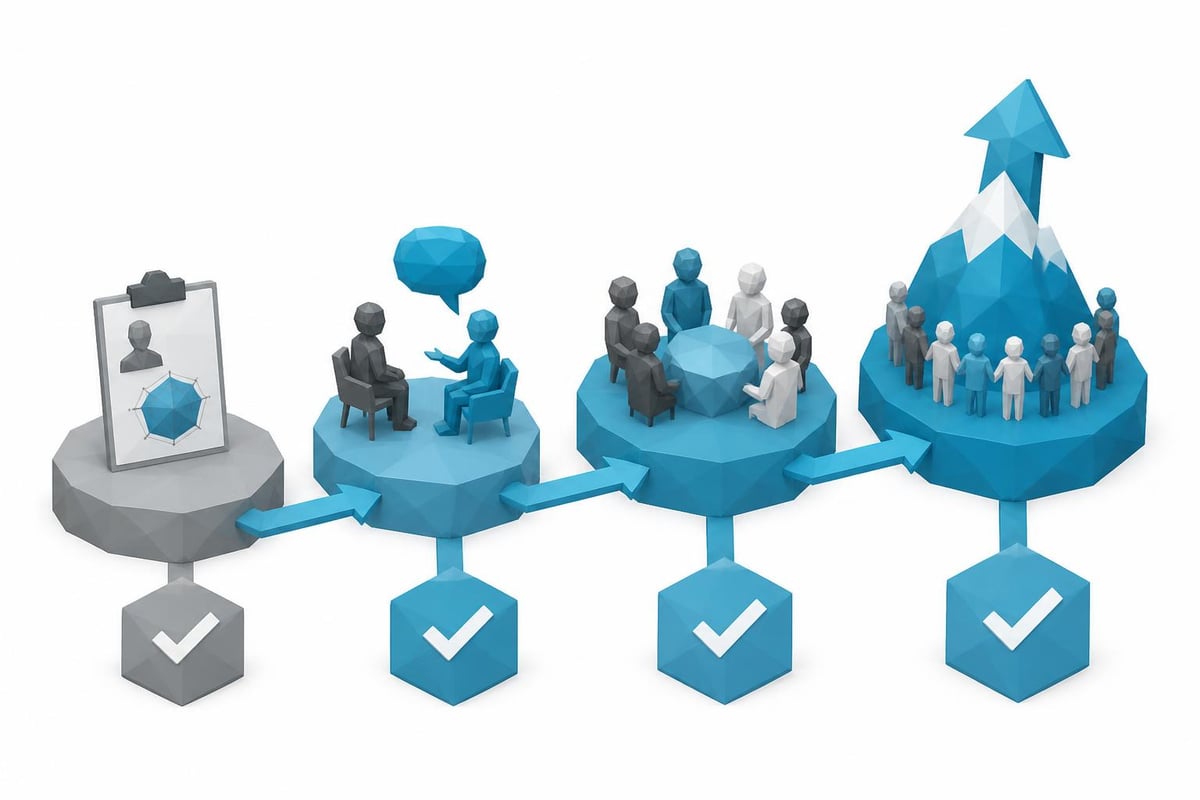
Measurement separates genuine development from feel-good experiences that produce no lasting change. Experts on leadership establish multi-dimensional tracking systems capturing both quantitative and qualitative indicators.
Defining Meaningful Key Performance Indicators
Effective KPIs connect leadership behaviors to organizational outcomes. Rather than measuring coaching attendance or satisfaction ratings, experts track business-relevant metrics.
Leadership development KPIs include:
- Employee engagement scores within leader's sphere of influence
- Retention rates of high-performing team members
- Decision-making speed and quality measured through project outcomes
- Innovation metrics tracking new ideas generated and implemented
- Strategic goal achievement rates
- Cultural health indicators including psychological safety assessments
These metrics provide objective evidence of transformation. When engagement scores increase by measurable percentages or retention improves among critical talent, organizations see tangible returns on development investments.
| Metric Category | Example Indicators | Measurement Frequency |
|---|---|---|
| Team Performance | Productivity, quality metrics, project completion rates | Monthly |
| Employee Experience | Engagement scores, psychological safety indices, turnover | Quarterly |
| Strategic Impact | Goal achievement, innovation output, market position | Quarterly/Annual |
| Leadership Behaviors | 360 feedback scores, competency assessments | Semi-annual |
| Financial Outcomes | Revenue impact, cost savings, efficiency gains | Quarterly/Annual |
Experts also recognize measurement challenges. Some leadership impacts manifest gradually or indirectly. Sophisticated practitioners employ mixed methods combining quantitative metrics with qualitative case documentation.
Demonstrating Return on Investment
CFOs and executive teams demand clear ROI justification for leadership development expenditures. Experts on leadership provide frameworks connecting coaching investments to financial outcomes.
The Center for Creative Leadership’s articles on leading effectively discuss how premier practitioners document value through multiple lenses: improved productivity, reduced turnover costs, accelerated decision-making, and enhanced innovation output.
ROI calculations account for both hard and soft benefits. Hard benefits include measurable cost reductions from decreased turnover or productivity improvements. Soft benefits encompass enhanced reputation, stronger succession pipelines, and improved organizational resilience.
Personal development platforms like DoReset complement professional coaching by helping leaders build sustainable habits and mindsets that reinforce coached behaviors. This holistic approach amplifies long-term impact.
Selecting the Right Leadership Expert for Your Organization
Choosing appropriate expertise determines program success. Organizations face abundant options but need systematic selection criteria ensuring optimal fit.
Evaluating Specialist Credentials and Experience
Credentials provide initial filters but require deeper examination. Many self-proclaimed experts lack substantive training or proven methodologies.
Critical evaluation criteria:
- Recognized certifications from accredited coaching bodies (ICF, EMCC, CCE)
- Advanced degrees in relevant fields (organizational psychology, business, leadership studies)
- Demonstrated expertise in your industry or organizational type
- Published thought leadership in reputable platforms
- Client testimonials with specific, measurable outcomes
- Transparent methodology that can be explained and validated
Organizations seeking top executive coaches in specific markets should prioritize practitioners with regional and cultural expertise alongside technical credentials. Leadership dynamics vary significantly across geographies and sectors.
The question extends beyond individual coach qualifications to organizational capacity. Can the expert or their firm scale to meet your needs? Do they provide consistent quality across multiple engagements?
Matching Coaching Expertise to Leadership Challenges
Different challenges require different specialists. Experts on leadership typically focus on specific domains where they've developed deep proficiency.
Common specialization areas include:
- Strategic leadership and organizational transformation
- Executive presence and communication effectiveness
- Conflict resolution and stakeholder management
- Innovation leadership and change management
- Succession planning and talent development
- Crisis leadership and resilience building
An executive struggling with toxic workplace patterns needs a coach specializing in behavioral intervention and cultural transformation. A leader preparing for increased responsibility benefits from experts focused on executive performance and accountability.
The matching process also considers personality and working style compatibility. Even highly credentialed experts produce limited results when chemistry lacks. Progressive organizations employ systematic matching protocols ensuring productive coaching relationships.

Global Perspectives from Leadership Authorities
Leadership expertise transcends geographic boundaries while respecting cultural contexts. Top practitioners bring international perspectives that enrich organizational development.
Regional Leadership Development Approaches
Different regions emphasize distinct leadership competencies based on cultural values and business environments. Experts on leadership working internationally understand these nuances.
European markets often prioritize collaborative leadership, stakeholder engagement, and long-term sustainability. Organizations exploring executive strategy and leadership improvement in Hamburg or executive presence coaching in Cologne encounter coaches emphasizing consensus-building and systematic planning.
Asian markets frequently value hierarchical respect alongside increasing emphasis on innovation and agility. Top leadership coaches in India balance traditional organizational structures with modern leadership competencies.
Anglo-American approaches often emphasize individual performance, decisive action, and rapid adaptation. The top business coaches in the UK reflect this pragmatic, results-focused orientation.
Adapting Expert Frameworks Across Cultures
The most sophisticated experts on leadership adapt proven frameworks to cultural contexts rather than imposing one-size-fits-all approaches. Research from The Leadership Quarterly emphasizes how effective leadership varies across national and organizational cultures.
This cultural intelligence extends to communication styles, feedback approaches, and change management strategies. What works in Melbourne may require significant adaptation for Frankfurt or Mumbai.
Organizations with global operations benefit from experts who can coordinate consistent leadership standards while respecting regional variations. The goal is cultural fluency, not cultural imperialism.
Emerging Trends in Leadership Expertise
The leadership field evolves continuously as organizational challenges shift. Experts on leadership stay current with emerging research, technologies, and methodologies.
Integration of Behavioral Science and Technology
Modern leadership experts leverage technological tools enhancing assessment accuracy and coaching effectiveness. Digital platforms enable real-time feedback collection, behavior tracking, and remote coaching delivery.
Artificial intelligence applications support diagnostic processes by identifying patterns in large datasets. While AI cannot replace expert human judgment, it augments analytical capability and reveals insights that might otherwise remain hidden.
Technology-enhanced leadership development includes:
- Digital 360-degree feedback platforms with sophisticated analytics
- Mobile applications tracking behavior change and habit formation
- Video analysis tools assessing communication effectiveness
- Virtual reality simulations providing leadership practice environments
- Data dashboards visualizing leadership impact across multiple metrics
However, technology serves methodology rather than replacing it. The most effective experts on leadership use digital tools strategically while maintaining the human elements essential for transformation: trust, challenge, support, and accountability.
Focus on Psychological Safety and Inclusive Leadership
Contemporary leadership expertise increasingly emphasizes creating environments where all team members contribute fully. Research on psychological safety demonstrates its critical role in innovation, learning, and performance.
Experts help leaders develop inclusive practices that leverage diverse perspectives and experiences. This extends beyond compliance to strategic advantage, as diverse teams consistently outperform homogeneous ones on complex challenges.
Inclusive leadership development addresses unconscious bias, equitable opportunity creation, and authentic relationship building across differences. These capabilities prove essential for organizations competing in global markets and attracting diverse talent.
Practical Application of Expert Leadership Insights
Understanding expert frameworks proves valuable only when translated into daily practice. Organizations must bridge the gap between conceptual knowledge and behavioral change.
Implementing Research-Based Leadership Practices
The frameworks outlined in resources like The Leadership Challenge provide actionable models for leadership excellence. Experts help leaders operationalize these principles within their specific contexts.
Implementation follows structured pathways:
- Baseline assessment establishing current state across relevant dimensions
- Priority setting identifying highest-impact development areas
- Action planning defining specific behaviors and practices to develop
- Structured practice creating opportunities to apply new approaches
- Feedback integration gathering input on effectiveness and adjusting
- Habit formation embedding new behaviors until they become automatic
- Outcome measurement tracking results against established KPIs
This systematic approach prevents the common pattern where leaders attend inspiring programs but revert to old behaviors within weeks. Experts on leadership design accountability structures ensuring sustained change.
Creating Organizational Ecosystems Supporting Leadership Excellence
Individual development proves insufficient when organizational systems undermine desired behaviors. Savvy experts address systemic factors enabling or constraining leadership effectiveness.
This includes examining reward systems, decision-making processes, communication norms, and structural designs. When organizations reward individual heroics while claiming to value collaboration, leaders receive contradictory messages that prevent authentic change.
The insights from Chief Executive research demonstrate how leading organizations align culture, structure, and systems with desired leadership competencies. This holistic approach accelerates transformation and ensures sustainability.
Organizations exploring comprehensive support often benefit from executive coaching directories that connect them with specialists matching their specific needs and contexts.
Building Long-Term Leadership Capability
Sustainable organizational success requires ongoing leadership development, not episodic interventions. Experts on leadership help organizations build internal capability that persists beyond individual coaching engagements.
Developing Internal Coaching Cultures
Forward-thinking organizations train leaders at all levels in coaching skills, creating cultures where development conversations happen continuously. This democratization of coaching capability accelerates learning and strengthens relationships.
Internal coaching programs don't replace external expertise for complex challenges or senior executive development. Rather, they complement it by building widespread capability for supportive, developmental conversations.
Elements of strong internal coaching cultures:
- Leaders trained in fundamental coaching competencies
- Structured mentoring programs connecting experienced and emerging leaders
- Regular feedback practices normalized throughout the organization
- Learning communities where leaders share challenges and insights
- Recognition systems valuing developmental leadership
Experts on leadership facilitate this cultural shift by training internal coaches, establishing quality standards, and creating sustainable structures.
Succession Planning and Pipeline Development
Organizations dependent on a few key leaders face significant risk. Experts help build robust succession pipelines ensuring leadership continuity and depth.
This requires systematic identification of high-potential talent, targeted development experiences, and clear progression pathways. Succession planning extends beyond naming successors to preparing them through increasingly complex challenges.
Resources from Stewart Leadership on strengthening leadership pipelines provide frameworks experts adapt to specific organizational contexts. The goal is building organizational resilience that survives individual transitions.
Organizations seeking measurable leadership transformation need more than motivational speakers or generic training programs. They require experts on leadership who combine empirical research, sophisticated diagnostics, and proven methodologies producing tangible results. By partnering with specialists who understand your unique organizational context and challenges, you create the foundation for sustainable excellence. The Noomii Leadership Coaching program connects organizations with certified experts delivering precision coaching aligned with your strategic objectives and compliance requirements. Accountability throughout the transformation journey, supported by platforms like AccountabilityNow, ensures lasting behavioral change and measurable organizational impact.



Leave a Reply
Want to join the discussion?Feel free to contribute!