Coaching in HR: Transform Leadership Performance in 2026
Organizations across every sector face unprecedented leadership challenges in 2026. From addressing toxic workplace behaviors to developing executives who can navigate complex regulatory environments, human resources professionals need proven strategies that deliver measurable results. Coaching in HR has emerged as the most effective intervention for transforming individual performance into organizational excellence, providing a structured framework that aligns talent development with strategic business objectives while creating sustainable cultural change.
The Strategic Role of Coaching in HR Functions
Coaching in HR represents far more than periodic performance conversations. It functions as a comprehensive leadership development methodology that integrates assessment, intervention, and measurement into a cohesive system designed to elevate organizational capability at every level.
The MIT Human Resources definition of coaching emphasizes its role as an ongoing approach to managing people, creating a motivating climate for performance through timely feedback and support. This perspective aligns with how forward-thinking organizations view coaching as a strategic investment rather than a reactive solution.
How Modern HR Teams Implement Coaching Frameworks
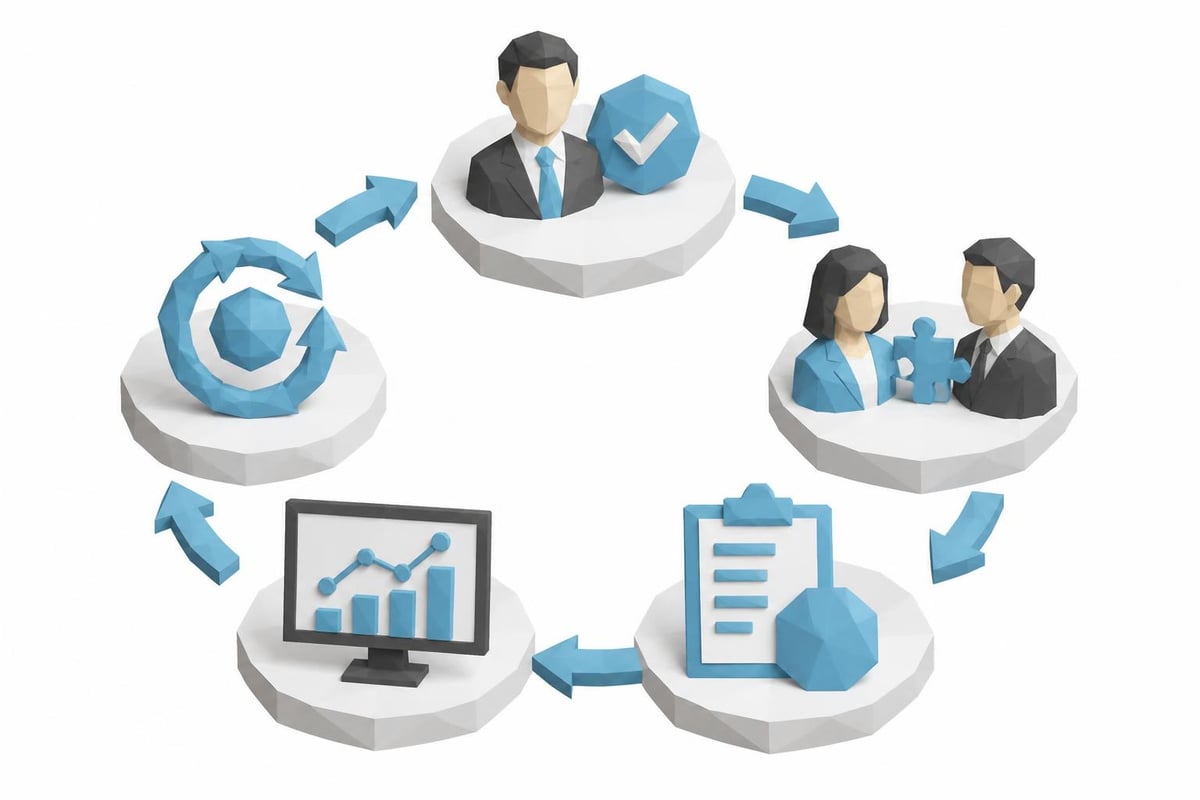
HR leaders in 2026 deploy coaching initiatives that address specific organizational pain points while building systemic capability. These implementations typically follow a structured progression:
- Leadership diagnostics that identify behavioral patterns, skill gaps, and cultural dynamics
- Precision matching between leaders and coaches with relevant sector expertise
- Intervention design tailored to address both individual development needs and organizational priorities
- Progress measurement through defined KPIs and cultural health indicators
- Program refinement based on data-driven insights and stakeholder feedback
The University of Minnesota’s comprehensive coaching guide details these key components and provides a roadmap for effective implementation that HR professionals can adapt to their organizational context.
Measuring the Business Impact of Coaching in HR
Organizations that treat coaching in HR as a strategic initiative demand clear evidence of return on investment. The metrics that matter most in 2026 focus on both individual transformation and organizational outcomes.
Individual-Level Metrics:
- Leadership competency improvements measured through 360-degree assessments
- Behavioral change indicators tracked across coaching engagements
- Decision-making quality evaluated through stakeholder feedback
- Conflict resolution effectiveness monitored through team dynamics
Organizational-Level Metrics:
- Employee engagement scores correlated with leadership development
- Retention rates among high-potential talent
- Succession pipeline strength and readiness
- Cultural health indicators linked to leadership behaviors
| Metric Category | Measurement Method | Typical Improvement Range |
|---|---|---|
| Executive Performance | 360 Assessments | 25-40% competency gains |
| Team Engagement | Pulse Surveys | 15-30% engagement increase |
| Talent Retention | HR Analytics | 20-35% reduction in unwanted turnover |
| Decision Quality | Stakeholder Feedback | 30-45% improvement ratings |
Research on measuring ROI from executive coaching demonstrates that organizations implementing structured coaching programs consistently achieve measurable improvements across these dimensions when they maintain focus on evidence-based practices and rigorous evaluation.
Addressing Toxic Leadership Through HR Coaching
One of the most critical applications of coaching in HR involves identifying and transforming toxic leadership patterns before they destroy team morale and organizational performance.
Toxic leaders create measurable damage through reduced productivity, increased absenteeism, compromised decision-making, and accelerated turnover among top performers. The cost to organizations often reaches millions annually when these patterns persist unchecked.
Intervention Strategies for Toxic Leadership
Effective coaching interventions for toxic leadership require specific design elements that differ from general leadership development:
- Immediate behavioral assessment using validated instruments that identify specific toxic patterns
- Accountability structures that create clear expectations and consequences
- Intensive coaching engagement with experienced practitioners who specialize in leadership rehabilitation
- Team repair processes that rebuild trust and psychological safety
- Ongoing monitoring to ensure sustainable behavioral change
Understanding toxic leader characteristics and intervention approaches helps HR professionals design coaching programs that address root causes rather than symptoms. The most successful interventions combine individual coaching with systemic changes that remove organizational enablers of toxic behavior.
Many organizations also benefit from establishing psychological safety frameworks that prevent toxic patterns from taking root while supporting leaders through developmental transitions.
Scaling Coaching Across Different Organizational Levels
Coaching in HR delivers maximum value when implemented as a scalable system rather than an executive-only benefit. Organizations in 2026 increasingly extend coaching access throughout leadership layers, adapting methodologies to serve different developmental needs and organizational roles.
Executive Coaching Focus Areas:
- Strategic decision-making under uncertainty
- Stakeholder management across complex ecosystems
- Board-level communication and influence
- Crisis leadership and organizational resilience
- Legacy planning and succession preparation
Mid-Level Manager Coaching Priorities:
- Team performance optimization
- Cross-functional collaboration
- Resource allocation and prioritization
- Talent development and retention
- Change leadership and implementation
Emerging Leader Development:
- Transition from individual contributor to manager
- Building credibility and influence without authority
- Fundamental communication and feedback skills
- Self-awareness and emotional intelligence
- Strategic thinking development
The City & County of San Francisco’s Coaching for Excellence program demonstrates how public sector organizations adapt coaching methodologies across supervisory levels, building manager capability while improving employee engagement through structured interventions.

Integration with Talent Management Systems
Coaching in HR achieves greatest impact when integrated seamlessly with broader talent management frameworks rather than operating as an isolated intervention.
Strategic Integration Points
Performance Management: Coaching conversations inform performance evaluations while evaluation insights shape coaching priorities, creating a continuous improvement cycle that elevates both individual capability and organizational standards.
Succession Planning: Coaching accelerates readiness among high-potential leaders identified for critical roles, reducing time-to-readiness while improving retention of succession candidates who receive targeted development support.
Leadership Development Programs: Coaching reinforces classroom learning and experiential assignments, helping leaders translate conceptual knowledge into behavioral change and measurable performance improvements.
Development planning frameworks provide structured approaches for connecting coaching interventions with broader talent strategies, ensuring that individual growth aligns with organizational capability requirements.
The University of Kansas coaching program illustrates how internal coaching capabilities can be built to support ongoing talent development while complementing external expertise for specialized needs.
Technology's Evolving Role in HR Coaching
The integration of technology into coaching in HR has accelerated dramatically, with artificial intelligence tools augmenting human expertise while raising important questions about effectiveness and appropriate application.
Research examining generative AI integration in professional coaching workflows reveals that AI tools are increasingly used for session preparation, resource development, and reflective exercises, though human coaches remain essential for navigating complex emotional dynamics and providing accountability.
Current Technology Applications:
- Automated scheduling and session management
- Pre-session assessments and reflection prompts
- Progress tracking and visualization dashboards
- Resource libraries tailored to individual needs
- Communication between sessions for continuity
Limitations Requiring Human Expertise:
- Complex interpersonal dynamics and conflict
- Emotional intelligence development
- Accountability and behavioral change support
- Contextual interpretation of organizational politics
- Trust-building and confidential relationship management
Studies on blended approaches combining AI chatbots with human coaching demonstrate that hybrid models can enhance accessibility and affordability while maintaining the essential human elements that drive transformative leadership development.
Organizations exploring AI tools for business coaching should view technology as a capability enhancer rather than a replacement for skilled human practitioners, particularly when addressing senior leadership challenges that require nuanced judgment and deep sector expertise.
Building Internal Coaching Capabilities
Many organizations complement external coaching resources by developing internal coaching competencies among HR professionals and experienced leaders. This approach extends coaching access while building organizational capability for ongoing development.
| Capability Level | Training Investment | Appropriate Coaching Scope | Limitations |
|---|---|---|---|
| Manager as Coach | 20-40 hours | Performance discussions, skill development | Cannot address senior leader issues, lacks objectivity |
| Internal Coach Certification | 100-125 hours | Mid-level development, team dynamics | Limited sector expertise, potential conflicts of interest |
| External Certified Coach | 500+ hours | All levels including executives | Higher cost, requires careful matching |
The Universities Human Resources coaching approach emphasizes personalized development for HR directors through experienced external coaches, recognizing that senior HR leaders often benefit most from objective perspectives outside their organizational system.
Compliance and Ethical Considerations
Coaching in HR must navigate important compliance and ethical boundaries, particularly in government agencies and highly regulated industries where leadership development initiatives intersect with legal requirements and organizational governance.
Critical Compliance Dimensions:
- Confidentiality protocols that protect coaching conversations while meeting organizational reporting obligations
- Documentation standards that balance developmental privacy with accountability requirements
- Conflict of interest management when internal coaches work with leaders in their reporting structure
- Vendor management compliance for external coaching engagements and procurement processes
- Equal access principles ensuring coaching opportunities align with diversity, equity, and inclusion commitments
Organizations should establish clear policies governing coaching relationships, documentation practices, and escalation procedures for situations where coaches encounter information requiring organizational notification, such as ethical violations or safety concerns.
Selecting External Coaching Partners
When organizations engage external coaches to supplement internal capabilities, the selection process directly impacts program effectiveness and return on investment. HR leaders in 2026 apply rigorous evaluation criteria that go beyond credentials and experience.
Essential Selection Criteria:
- Sector-specific expertise relevant to organizational context and industry dynamics
- Specialized skills matching identified leadership development needs
- Coaching methodology aligned with organizational culture and values
- Assessment capabilities using validated instruments and evidence-based approaches
- Track record demonstrating measurable outcomes with similar organizations
Research on whether executive coaching works confirms that coaching effectiveness correlates strongly with coach-client fit, methodological rigor, and organizational support for the development process.
The most sophisticated organizations use matching algorithms and comprehensive evaluation processes to pair leaders with coaches who possess the precise expertise and interpersonal style most likely to drive breakthrough results. This precision matching approach transforms coaching from a generic development activity into a targeted intervention that addresses specific organizational challenges.
Building Coaching Cultures Beyond Individual Interventions
The highest-performing organizations extend coaching in HR beyond individual development to embed coaching behaviors throughout leadership practices and organizational culture.
Stanford Medicine’s approach to coaching culture demonstrates how healthcare organizations build coaching into daily leadership interactions, increasing engagement, collaboration, and performance across entire systems.
Characteristics of Coaching Cultures:
- Leaders at all levels apply coaching skills in routine interactions
- Feedback flows multidirectionally based on developmental intent
- Questions replace directives as the primary leadership communication mode
- Learning and growth are celebrated as continuous processes
- Psychological safety enables productive challenge and accountability
Building coaching cultures requires systematic investment in leader skill development, reinforcement through performance expectations and recognition systems, and visible modeling by senior executives who demonstrate coaching behaviors in their own leadership practice.
Organizations benefit from team coaching approaches that develop collective capability while strengthening individual leader effectiveness, creating multiplier effects that accelerate cultural transformation.
Future Trends Reshaping Coaching in HR
The landscape of coaching in HR continues evolving rapidly as organizations confront new challenges and leverage emerging capabilities. Several trends will define coaching practice through the remainder of this decade.
Emerging Developments:
- Precision diagnostics using advanced assessment technologies that identify developmental needs with unprecedented accuracy
- Global coach networks enabling organizations to access specialized expertise regardless of geographic constraints
- Hybrid delivery models combining virtual and in-person coaching to optimize flexibility and relationship depth
- Outcome measurement sophistication through analytics platforms that track behavioral change and organizational impact in real-time
- Preventive coaching that builds leadership resilience before crises emerge rather than intervening after performance deterioration
The integration of accountability frameworks with coaching methodologies strengthens development outcomes by creating clear expectations, progress milestones, and consequences that drive sustainable behavioral change.
Organizations that view coaching in HR as a strategic capability rather than a tactical intervention position themselves to attract, develop, and retain the leadership talent required to navigate complexity and drive competitive advantage in an increasingly uncertain business environment.
Coaching in HR has evolved from an executive perk to a strategic imperative that drives measurable organizational performance through targeted leadership development. By implementing evidence-based coaching frameworks, HR professionals transform individual capability into systemic excellence while addressing critical challenges from toxic leadership to succession planning. The Noomii Leadership Coaching program delivers precision-matched coaching solutions that integrate seamlessly with your talent management systems, providing the specialized expertise and measurable results that today's organizations demand. Discover how Noomii's global network of certified executive coaches can accelerate your leadership development initiatives and drive sustainable organizational transformation.



Leave a Reply
Want to join the discussion?Feel free to contribute!