

CFO Coaching: What Finance Leaders Actually Need in 2026
Chief Financial Officers face pressure unlike any prior generation. They're expected to drive AI transformation, build cross-functional capabilities, own business partnering relationships, and develop talent while managing traditional finance operations. The Hackett Group’s CFO Agenda research confirms that talent development and business partnering rank among finance's most critical priorities. Yet most cfo coaching programs remain anchored to executive presence workshops and leadership theory rather than the operational realities finance leaders navigate daily.
Why CFO Coaching Fails When Disconnected from Finance Operations
Most executive coaching treats finance leaders like generic C-suite executives. Coaches with no finance background deliver frameworks built for marketing VPs or operations directors, missing the unique challenges CFOs face.
The credential trap is especially damaging in finance coaching. A coach with an ICF credential but zero P&L experience cannot diagnose why a CFO's business partnering falls flat or why their finance team resists analytical work beyond month-end close. They default to personality assessments and communication styles while the real problem is capability gaps, unclear KPIs, or process dysfunction.
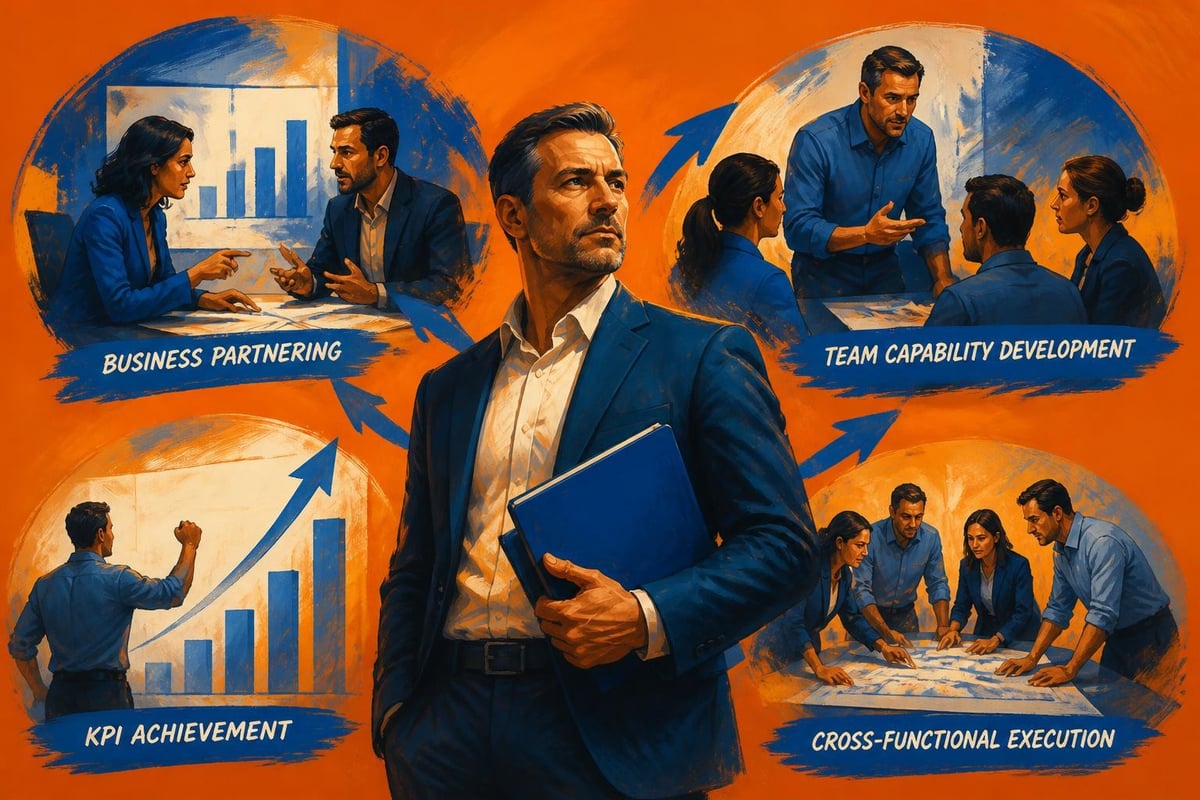
Real cfo coaching starts with finance-specific outcomes:
- Faster, more accurate forecasting and scenario planning
- Finance teams that proactively surface insights, not just reports
- Business unit leaders who trust and seek CFO counsel
- Succession-ready finance directors and controllers
- Clear operational cadence linking strategy to execution
When coaching stays theoretical, CFOs waste time on reflection exercises while their teams struggle with basic analytical thinking or their business partners ignore finance recommendations.
What Evidence Says About Effective CFO Development
Research on workplace coaching effectiveness demonstrates that coaching delivers measurable outcomes when tied to specific performance goals and organizational context. Generic leadership development rarely transfers to improved finance operations.
The Business Partnering Gap
EY’s DNA of the CFO research reveals that strategic value creation and AI integration now define CFO success. Yet most finance leaders built careers on technical excellence and controls, not influencing cross-functional strategy or translating AI capabilities into finance processes.
Effective cfo coaching addresses this gap directly:
- Live coaching in business review meetings where the CFO must challenge assumptions, reframe problems, and drive decisions
- Real-time feedback on how financial insights land with non-finance executives
- Preparation for board presentations with focus on storytelling, risk framing, and actionable recommendations
- Team capability building so finance directors develop business partnering skills, not just technical competence
Coaching that happens outside actual finance operations rarely improves finance operations. The CFO learns to articulate vision in coaching sessions but cannot translate that into how their team runs monthly business reviews or builds rolling forecasts.
The ROI Framework for CFO Coaching
Finance leaders think in metrics, ROI, and accountability. Coaching programs that cannot articulate measurable outcomes lose credibility immediately.
| Outcome Category | Measurement Approach | Typical Timeline |
|---|---|---|
| Business Partnering Quality | Survey scores from business unit leaders, meeting participation | 90-120 days |
| Team Capability | Assessment scores, promotion readiness, analytical output quality | 6-9 months |
| Decision Speed | Time from analysis to decision, forecast accuracy | 60-90 days |
| Strategic Contribution | Board/CEO feedback, strategy session impact | 4-6 months |
Deloitte’s analysis of CFO capability building emphasizes that talent development cannot be separated from operational improvement. When CFOs improve, their teams must improve simultaneously, or the organization sees no sustainable change.
The Team Coaching Component
Most cfo coaching ignores the finance team entirely. The CFO receives personal coaching while controllers, FP&A directors, and finance managers continue operating with the same capability gaps that created problems initially.
Practical CFO coaching includes team development:
- Coaching finance directors on analytical thinking and communication during actual business reviews
- Building 360 assessments that measure business partnering effectiveness, not just technical skills
- Establishing operating cadence and KPI scorecards that connect finance work to business outcomes
- Creating manager training focused on developing talent, not just managing deliverables
When you coach the CFO without coaching their team, you create isolated improvement. The CFO articulates better strategy in executive meetings but cannot execute because their team lacks the skills to deliver.

AI, Automation, and the Evolving CFO Role
Recent coaching scholarship explores how coaching must adapt as AI tools change work fundamentally. For CFOs, this shift is immediate and operational, not theoretical.
Finance leaders in 2026 face questions most executive coaches cannot address:
- Which finance processes deserve AI investment versus process redesign?
- How do we retrain accountants for analytical work when automation handles reconciliation?
- What does business partnering look like when AI generates insights faster than humans?
- How do I build finance team capability when half the technical work disappears?
CFO coaching that ignores these realities is obsolete before it begins. Coaches fixated on emotional intelligence and executive presence miss that the CFO's actual challenge is leading capability transformation while maintaining finance operations during disruption.
The Contrarian Reality
Here's what most CFO coaching programs won't tell you: credentials and coaching hours matter far less than finance expertise and operational involvement.
A coach who spent fifteen years as a CFO or finance VP but never earned a coaching certification will typically deliver more value than an ICF Master Certified Coach who has never built a rolling forecast or led a business review. The former understands finance decision-making, capability gaps, and business partnering dynamics. The latter understands coaching methodology.
The best cfo coaching combines both. But when forced to choose, finance expertise trumps coaching credentials every time.
Building Accountable Finance Leaders
Accountability separates effective coaching from expensive conversations. CFOs operate in a results-driven environment where missed forecasts, slow closes, and weak business partnering have visible consequences.
Coaching must match this accountability:
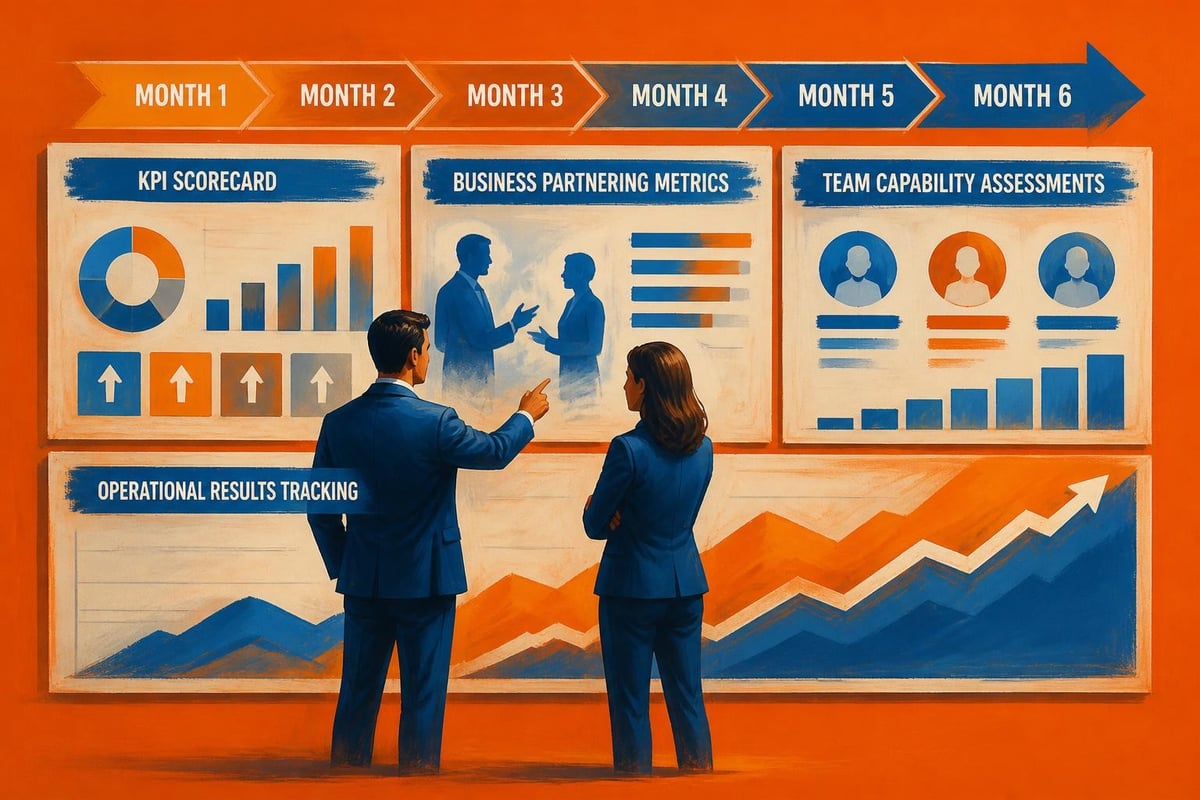
- Month-to-month engagements where results determine continuation, not long contracts
- Clear KPIs linking coaching activities to business outcomes
- Live operational coaching in meetings, reviews, and team sessions where improvement is measurable
- Aligned incentives where coaching fees tie to organizational results when feasible
This approach makes coaching organizations uncomfortable because it shares risk. But it makes CFOs confident because outcomes are visible, not theoretical.
Exploring top executive coaching firms reveals wide variation in accountability models. Most sell twelve-month programs with soft deliverables and generic leadership assessments. Few tie fees to measurable business results or offer month-to-month terms.
Practical Implementation for Mid-Market Companies
Mid-market organizations face unique challenges. They need CFO-level capability but often have controllers or finance directors carrying CFO responsibilities without CFO experience or development.
Effective cfo coaching in mid-market contexts includes:
- Diagnosing whether the finance leader needs coaching, restructuring, or team capability building first
- Establishing operating cadence and KPI frameworks before coaching individual executives
- Building business partnering relationships through joint meetings with business unit leaders
- Developing succession-ready talent so finance leadership isn't single-threaded
- Creating manager training programs that build coaching capability throughout finance
The mid-market advantage is speed. Smaller organizations implement changes faster, see results quicker, and adapt coaching focus based on what's working. Large enterprise coaching programs often run for months before anyone measures actual outcomes.
Choosing CFO Coaching That Delivers
When evaluating cfo coaching options, finance leaders should demand evidence, not promises:
- Ask for specific CFO engagements with measurable before-and-after outcomes in business partnering, team capability, or operational metrics
- Request references from other CFOs, not HR executives who selected the coach
- Evaluate finance expertise, not just coaching credentials or testimonials
- Require clear KPIs and ROI frameworks before signing contracts
- Insist on operational involvement where coaches observe and provide feedback in actual finance operations
The coaches who resist these requirements reveal their model: sell coaching hours, deliver sessions, move to next client. The coaches who embrace them reveal their model: deliver measurable results, prove value, earn continuation.
FAQ: CFO Coaching
What makes CFO coaching different from general executive coaching?
CFO coaching must address finance-specific challenges like business partnering with non-finance executives, building analytical capability in finance teams, leading through automation and AI disruption, and translating financial insights into strategic decisions. Generic executive coaching misses these operational realities.
How long does effective CFO coaching typically take?
Initial business partnering improvements appear in 60-90 days when coaching includes live operational work. Team capability development takes 6-9 months. Sustainable transformation with succession-ready talent requires 12-18 months. Coaches promising faster results or demanding multi-year contracts should raise questions.
Should CFO coaching include the finance team or just the CFO?
Coaching only the CFO creates isolated improvement that rarely translates to organizational outcomes. Effective programs include coaching finance directors and managers on business partnering, analytical thinking, and team development so the entire finance function improves.
What credentials should I look for in a CFO coach?
Finance experience trumps coaching credentials. A former CFO or finance VP with operational expertise typically delivers more value than an ICF-certified coach with no finance background. The ideal combination includes both finance expertise and coaching methodology.
How do you measure ROI from CFO coaching?
Track business partnering quality through stakeholder surveys, decision speed through meeting outcomes, team capability through 360 assessments and analytical output quality, and strategic contribution through board and CEO feedback. Connect these metrics to specific coaching activities and timeline.
What's the typical cost structure for CFO coaching?
Models vary widely. Traditional executive coaching runs $300-$800 per hour with 12-month minimums. Results-based models offer month-to-month terms with fees tied to outcomes. Mid-market organizations should expect $3,000-$8,000 monthly for comprehensive CFO and team coaching.
Can CFO coaching work remotely or does it require in-person sessions?
Live operational coaching in meetings, business reviews, and team sessions delivers the fastest results regardless of location. Pure video coaching sessions work for some skill development but miss the real-time feedback opportunities that accelerate business partnering improvement.
What are the biggest mistakes companies make when selecting CFO coaching?
Prioritizing credentials over finance expertise, accepting vague outcomes instead of clear KPIs, signing long contracts without proof of results, excluding the finance team from development, and choosing coaches who won't engage in actual finance operations.
How does AI impact CFO coaching needs in 2026?
AI accelerates the shift from technical finance work to analytical thinking and business partnering. CFOs need coaching on leading capability transformation, retraining finance teams for higher-value work, and integrating AI tools into finance processes while maintaining operations during disruption.
CFO coaching delivers measurable outcomes when it focuses on finance-specific challenges, includes team capability building, and ties results to clear operational metrics. Most coaching fails because it prioritizes credentials over finance expertise and theory over operational involvement. If you're ready for practical corporate coaching that develops finance leaders and teams through live operational work tied to KPIs and business results, explore how Noomii connects mid-market companies with coaches who share accountability for outcomes, not just coaching hours.


Leave a Reply
Want to join the discussion?Feel free to contribute!