

Why ICF Matters Less Than Coaches Think in 2026
The International Coaching Federation has dominated coaching credentialing for over 25 years, and its influence shows no signs of fading. Yet the gap between why icf matters less than coaches think and what coaches believe is widening. Corporate buyers increasingly prioritize demonstrated business results over certification hours. Mid-market companies want faster decisions and cleaner execution, not another consultant who leads with credentials before understanding their actual problems.
The Credential Worship Problem
Coaching forums overflow with anxious threads about ICF pathways, accredited training programs, and mentor coaching hours. New coaches obsess over PCC versus ACC distinctions as if these badges unlock client flow. They don't.
The market reality differs sharply:
- Corporate buyers rarely specify ICF credentials in coaching RFPs
- Purchasing decisions hinge on case studies, references, and business fluency
- Internal HR teams care more about coaching outcomes than coaching credentials
- Skills-first hiring practices now dominate talent acquisition, a trend extending to coaching procurement
I've watched hundreds of coaches invest $15,000 and 18 months pursuing ICF accreditation, only to discover clients ask different questions entirely. They want to know if you've coached sales leaders before. Whether you understand their industry. How quickly you produce measurable change. The certification comes up in conversation maybe once, buried in the bio section nobody reads carefully.

What Actually Predicts Coaching Success
Research consistently shows that actionable planning and follow-through mechanisms predict client progress better than coach credentials. A systematic review of workplace coaching effectiveness found significant positive outcomes across studies, yet struggled to isolate credential effects from coaching competence.
The Skills That Move Needles
| Skill Category | Client Impact | ICF Coverage |
|---|---|---|
| Business acumen | High | Minimal |
| Industry pattern recognition | High | None |
| Change management | High | Moderate |
| KPI alignment | High | Low |
| Coaching presence | Moderate | High |
| Ethical guidelines | Low | High |
The table reveals the mismatch. ICF training emphasizes coaching presence and ethics extensively, both important but insufficient for corporate impact. Business literacy, the language of P&L, and operational execution receive far less attention.
Harvard Business Review's analysis of what it really takes to become an executive coach emphasizes client fit, business experience, and specialized expertise over standardized credentialing. The authors found successful executive coaches typically brought 15-plus years of business leadership before coaching anyone.
Where ICF Still Holds Value
Understanding why icf matters less than coaches think doesn't mean dismissing it entirely. ICF provides useful structure for new coaches learning foundational skills. The core competencies offer a reasonable starting framework. Ethical guidelines prevent obvious mistakes.
ICF credentials prove most valuable when:
- Entering highly regulated coaching markets (government, education)
- Building initial credibility with zero track record
- Networking within ICF chapter communities
- Pursuing internal coaching roles in credential-focused organizations
For experienced business professionals transitioning to coaching, ICF often adds minimal marginal value. A VP of Sales with 20 years leading teams and a coaching practice focused on sales and retention coaching doesn't gain much competitive advantage from a PCC badge. Their results speak louder.

The Real Competitive Advantages
Corporate coaching buyers in 2026 evaluate coaches using different criteria than certification bodies use. After observing hundreds of coaching engagements, clear patterns emerge about what separates effective coaches from credential collectors.
Top differentiators include:
- Vertical expertise – Deep knowledge of specific industries, functions, or business models
- Measurable outcomes – Case studies showing KPI improvement, retention gains, revenue impact
- Live coaching capability – Skill coaching managers during actual team meetings, not just one-on-ones
- Business partnership – Understanding P&L, operating cadence, strategic priorities
- Speed to impact – Producing visible change within 90 days, not 12 months
These advantages compound over time. A coach who delivers 15% improvement in manager effectiveness and can prove it with data will always outcompete someone with more letters after their name but vaguer impact stories.
One team coaching example illustrates this clearly. A mid-market manufacturing company needed help improving cross-functional execution. They interviewed three coaches: one MCC with 25 years coaching individuals, one PCC specializing in team dynamics, and one non-credentialed former COO who had led similar operational transformations. The COO won despite zero ICF credentials because she spoke their language, understood their specific bottlenecks, and proposed metrics tied to delivery timelines and quality scores.
The Evidence-Practice Gap
Recent analysis of coaching quality measures in applied settings reveals that observable coaching practices predict outcomes better than credential status. Coaches who set clear goals, establish accountability structures, and maintain consistent follow-through generate better results regardless of training background.
What Buyers Actually Verify
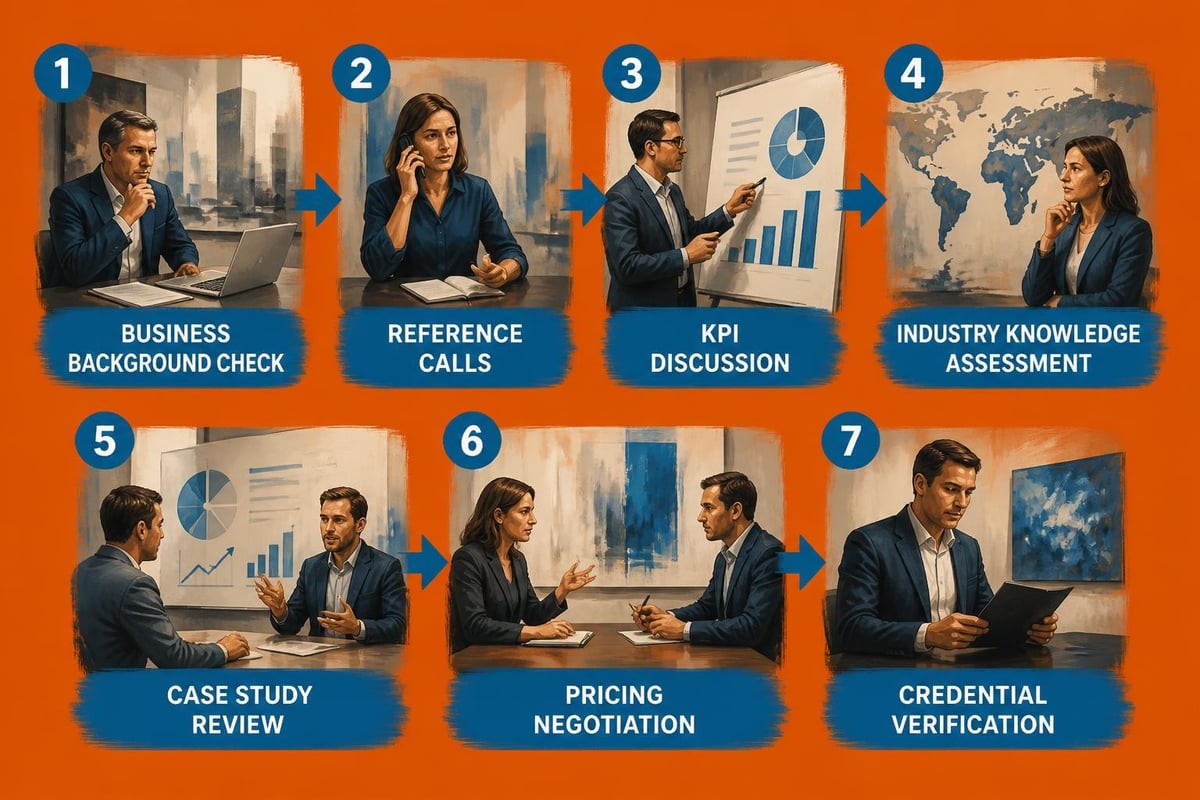
When evaluating coaching proposals, corporate buyers follow predictable patterns:
- Check LinkedIn for business background and client endorsements
- Request 3-5 references from similar engagements
- Ask about measurement approach and typical KPIs tracked
- Explore industry knowledge through scenario questions
- Review case studies for relevance and outcome clarity
- Negotiate terms, pricing, and success metrics
Credentials appear on the checklist somewhere around item seven or eight. Not zero importance, but far from determinant. The question "Are you ICF certified?" comes up less often than "Have you coached manufacturing operations leaders before?" or "How do you measure progress?"
This reality explains why icf matters less than coaches think in competitive coaching markets. Differentiation comes from specialization, outcomes, and business fluency, not from meeting a standardized competency framework designed for generalist coaching.
Building Real Authority
The path to sustainable coaching impact runs through expertise development, not credential accumulation. Coaches who build genuine authority focus their energy differently than those chasing letters.
| Credential Focus | Authority Focus |
|---|---|
| Training hours | Client results |
| Mentor coaching sessions | Live coaching reps |
| ICF pathways | Industry specialization |
| Competency frameworks | Business model understanding |
| Peer supervision | Client outcome tracking |
Authority compounds. Each successful engagement creates reference-able case studies, testimonials, and pattern recognition. After 50 coaching engagements in the same vertical, you develop intuition about what works in that context that no training program can replicate. This specialized knowledge becomes your moat, far more defensible than credentials available to anyone willing to pay and complete requirements.
Several successful coaches I've observed built thriving practices with zero ICF involvement. One former CFO specializes in financial literacy coaching for non-finance executives. Another ex-Navy officer focuses on leadership development in crisis-prone industries. Their authority stems from lived experience and proven results, not from completing coach training programs.
The Month-to-Month Accountability Model
The coaching industry's traditional approach involves long contracts, upfront commitments, and vague success metrics. This model protects coaches more than clients. It also explains why credential worship persists – when buyers can't easily verify coaching quality through results, they default to credentials as a proxy signal.
A results-focused alternative changes the equation:
- Month-to-month terms keep coaches accountable to ongoing value delivery
- Clear KPIs and scorecards make progress visible or expose lack thereof
- Aligned incentives tie coach compensation to client outcomes where feasible
- Regular business reviews ensure coaching stays connected to strategic priorities
This approach makes credentials even less relevant. When a coach must demonstrate value every 30 days through observable metrics, their training pedigree matters far less than their ability to move needles. Clients stay because results are visible, not because they're locked into a contract with a highly credentialed coach producing ambiguous outcomes.
FAQ
Q: Do I need ICF certification to get coaching clients?
A: No. Most corporate buyers prioritize business experience, industry knowledge, and proven results over ICF credentials. Certification helps most when you're brand new with zero track record, but becomes less determinant as you build case studies and references.
Q: What credentials do corporate buyers actually care about?
A: Corporate buyers care more about vertical expertise, measurable outcomes, relevant business experience, and client references than coaching certifications. Industry-specific credentials or functional expertise (finance, sales, operations) often carry more weight than ICF levels.
Q: How do I compete with ICF-certified coaches if I'm not credentialed?
A: Lead with business results, case studies, and specialized expertise. Develop deep knowledge in a specific industry or function. Track and share measurable outcomes. Build a portfolio of client success stories that demonstrate clear ROI. Speak the language of business, not just coaching theory.
Q: Is ICF certification worth the investment for experienced professionals?
A: For experienced business leaders transitioning to coaching, ICF typically adds minimal competitive advantage. Your business track record, industry knowledge, and proven leadership experience provide stronger differentiation. Invest in specialized training relevant to your niche instead.
Q: What matters more than credentials when selecting a coach?
A: Business acumen, industry pattern recognition, measurable track record, coaching approach alignment, chemistry and trust, and speed to demonstrable impact all matter more than credentials. Look for coaches who ask sharp business questions and propose clear success metrics.
Q: Can I be a successful coach without any certification?
A: Yes. Many successful coaches built thriving practices through business expertise, specialized knowledge, and proven results without ICF or other coaching certifications. Focus on developing deep expertise, tracking outcomes, and building a strong reputation in your chosen niche.
Q: How do I demonstrate coaching quality without credentials?
A: Document client results with specific metrics and outcomes. Collect detailed testimonials and video references. Create case studies showing problem, approach, and measurable results. Offer pilot engagements with clear success criteria. Build thought leadership through content that demonstrates expertise.
Q: What should I prioritize instead of ICF certification?
A: Prioritize developing business acumen, building industry expertise, creating outcome tracking systems, generating case studies, obtaining client references, and mastering practical coaching skills through actual client work. Invest in specialized training relevant to your target market.
Q: Does ICF matter for team coaching and leadership development?
A: ICF matters even less for team coaching and leadership development than individual coaching. Corporate buyers prioritize facilitators who understand group dynamics, business strategy, and organizational change over those with individual coaching credentials. Business experience and team leadership background prove more valuable.
The coaching industry's credential obsession obscures what actually drives client results: business fluency, specialized expertise, and proven outcomes. Smart mid-market companies and Fortune 500 divisions increasingly recognize this gap and select coaches based on demonstrated impact rather than training pedigrees. If you want practical corporate coaching that delivers measurable business results tied to clear KPIs and ROI, Noomii offers month-to-month executive coaching, leadership development, and team facilitation without the credential theater or long-term contracts that protect coaches more than clients.



Leave a Reply
Want to join the discussion?Feel free to contribute!