

I Learned the Hard Way About AI Coaching (2026 Reality)
I learned the hard way about AI coaching after watching three mid-market companies waste six months chasing chatbot-driven "solutions" that never moved the needle on manager accountability or team performance. These weren't hypothetical experiments. They were live deployments with real budgets, real expectations, and real consequences when AI tools replaced strategic thinking with algorithmic suggestions that ignored context, culture, and the messy reality of how leaders actually change behavior.
The pattern was consistent: HR leaders sold on vendor promises, frustrated managers receiving generic advice, and coaching initiatives that measured activity (sessions completed, modules finished) instead of outcomes (faster decisions, stronger communication, measurable retention improvements). The hard lessons weren't about whether AI has a role in coaching. They were about understanding what AI can and cannot do, where it creates value versus waste, and why human judgment remains non-negotiable in leadership development work.
The First Deployment: When Generic Advice Met Real Problems
A 180-person SaaS company hired us after their AI coaching platform delivered 87% completion rates but zero improvement in their quarterly engagement scores. Managers loved the convenience of on-demand coaching conversations. They hated that the AI couldn't diagnose why their sales team was missing pipeline targets or why three senior engineers had quit in two months.
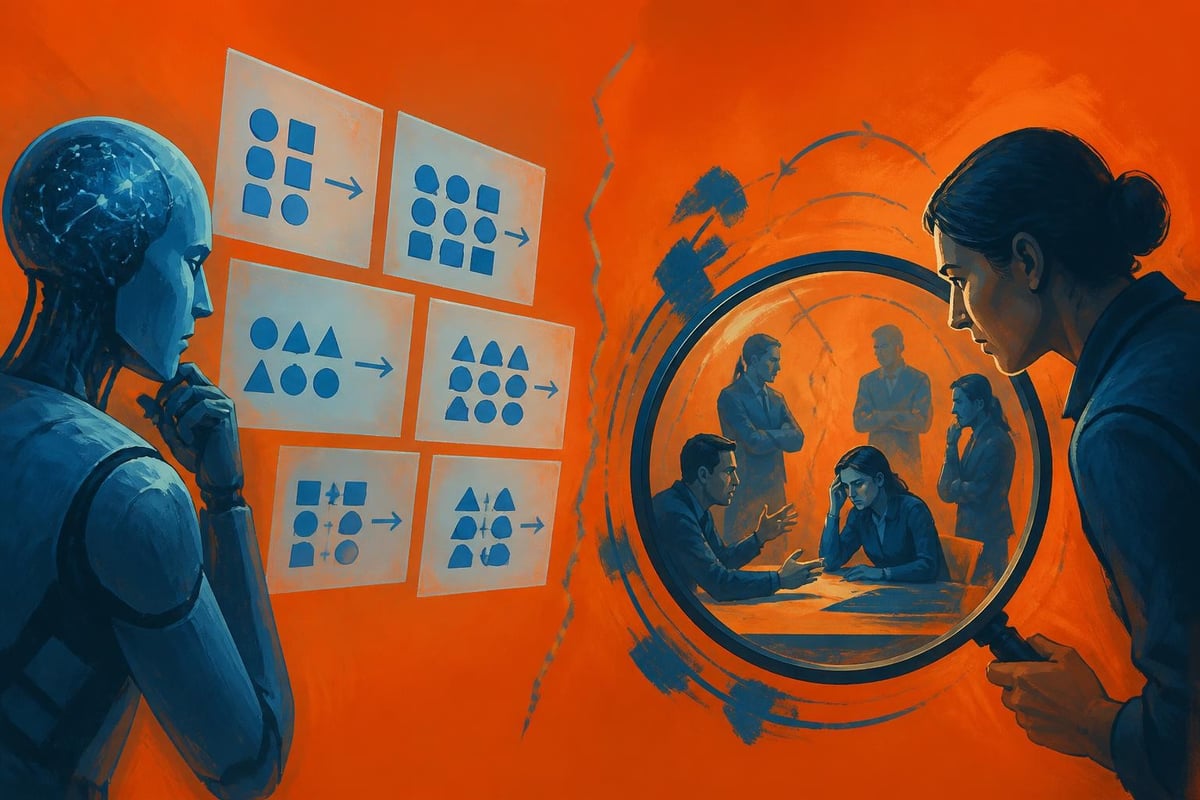
I learned the hard way about AI coaching when we audited their chatbot transcripts. The tool asked good questions. It offered research-backed frameworks. But it couldn't connect the dots between a manager's communication style, their team's KPI miss, and the underlying organizational dysfunction that required live observation and direct intervention.
What the AI Missed That Humans Caught
- Context collapse: The AI treated every retention problem as an engagement issue, missing compensation gaps and role clarity failures
- Behavioral nuance: It recommended "active listening" without diagnosing the manager's tendency to dominate stand-ups and kill psychological safety
- Systemic patterns: Three departments reporting similar issues pointed to a leadership alignment problem, not individual coaching needs
When we stepped in with live team coaching and operating cadence work, we discovered the real problem: unclear decision rights between product and engineering, leading to duplicated work and manager burnout. No chatbot was going to surface that diagnosis.
The Compliance Risk Nobody Talked About
A 320-employee financial services firm deployed an AI wellness coach for manager stress and resilience. Within four weeks, two managers disclosed mental health conditions to the chatbot, assuming confidentiality. The vendor's terms of service mentioned data retention and model training. The company's legal team had never reviewed it.
This scenario isn't theoretical. A JMIR scoping review on LLM-based health coaching documents safety, privacy, and regulatory concerns across health-adjacent applications. An AAAI conference paper mapping LLM ethics violations shows how AI "counselors" can breach professional standards that human coaches are bound to protect.
| Risk Category | AI Tool Reality | Human Coach Standard |
|---|---|---|
| Confidentiality | Data may train models, unclear retention | Professional ethics, clear boundaries |
| Crisis response | Algorithmic escalation, no judgment | Immediate assessment, referral protocols |
| Scope awareness | Generic advice regardless of severity | Knows limits, refers clinical issues |
| Regulatory compliance | Vendor-dependent, often unclear | Licensed coaches follow state/professional rules |
The financial services firm pulled the AI tool after their employment attorney raised liability questions. They switched to executive coaching with clear engagement terms and documented outcomes tied to leadership competencies, not therapeutic interventions.
When AI Became a Crutch Instead of a Tool
A manufacturing division with 280 employees used an AI coaching assistant to help managers prepare for difficult conversations. Over three months, managers became dependent on the tool for scripting feedback, avoiding the discomfort of learning how to coach in real time.
I learned the hard way about AI coaching when their VP of Operations called us: "Our managers can write perfect feedback emails now, but they still freeze in live conversations. The AI gave them scripts, not skills."
The problem wasn't the technology. It was the implementation philosophy. The company treated AI as a replacement for development instead of a supplement. Managers never practiced live, never got feedback on their delivery, never built the confidence required to navigate unexpected responses.
The Pattern We See Across Industries
- AI provides templates and frameworks (valuable for preparation)
- Managers rely on scripts instead of judgment (reduces adaptability)
- Real conversations expose gaps the AI can't address (timing, tone, reading the room)
- Performance stalls because skills aren't transferring (activity without outcomes)
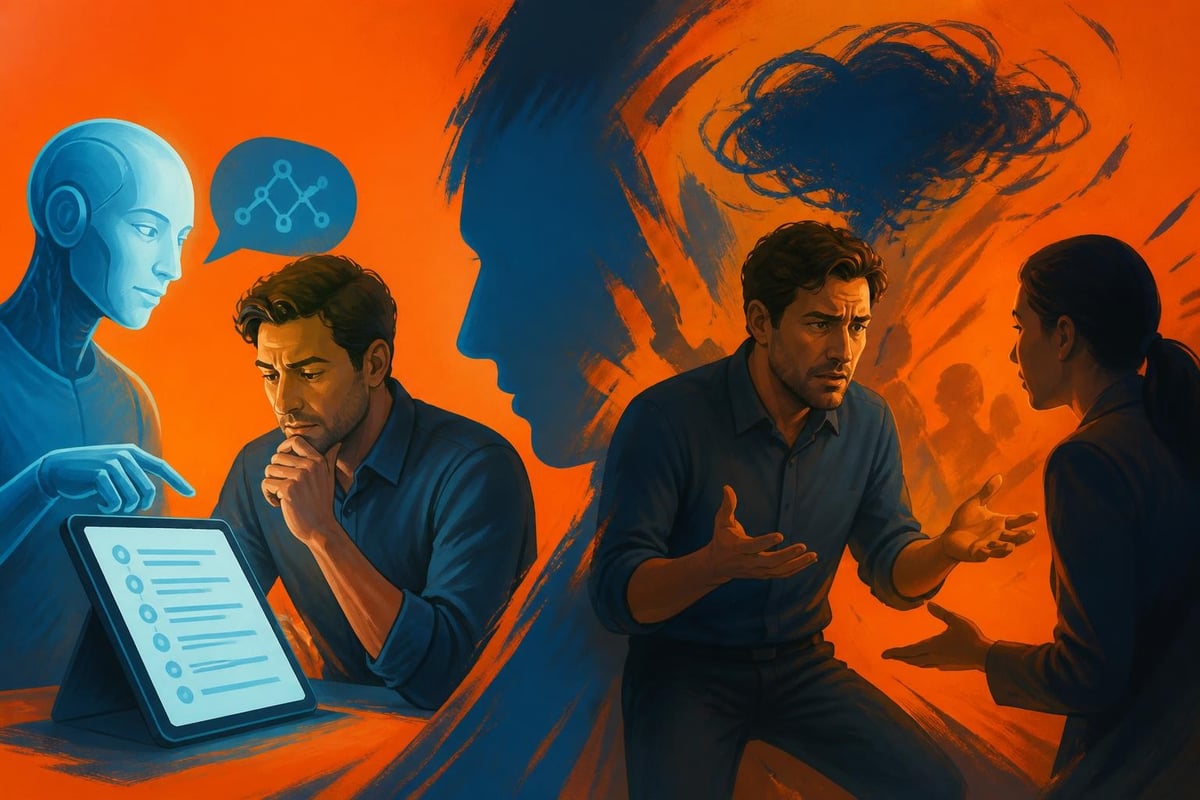
An ArXiv survey on coaching augmentation with GenAI confirms this pattern: AI supports transactional tasks (scheduling, note-taking, resource suggestions) but struggles with relational work, contextual judgment, and the human elements that drive leadership behavior change.
The Measurement Problem: Activity Versus Outcomes
Every AI coaching vendor we evaluated in 2026 sold completion metrics, engagement scores, and sentiment analysis. None tied their platform to business KPIs that mattered to our clients: revenue per employee, manager retention, time to decision, or net promoter scores from direct reports.
This isn't a minor gap. It's the core distinction between coaching that delivers measurable results and tools that generate reports without changing behavior.
What AI coaching platforms typically measure:
- Sessions completed per user
- Average session duration
- User satisfaction ratings
- Module completion percentages
- Engagement frequency
What corporate buyers actually need to measure:
- Manager effectiveness scores (360 assessments)
- Team performance against KPIs
- Retention rates for high performers
- Decision velocity improvements
- Cross-functional collaboration quality
We implemented a hybrid model with one client: AI tools for self-paced learning and framework exploration, human coaches for live observation, KPI scorecards, and accountability loops tied to quarterly business reviews. Results improved within 90 days because we measured what mattered and coached where humans add unique value.
Regulatory Reality: The Frameworks Companies Ignore
Most companies deploying AI coaching tools in 2026 haven't reviewed NIST’s AI Risk Management Framework or considered whether their use case might fall under emerging regulations. If you're coaching managers on performance conversations that affect promotions, terminations, or compensation, you're potentially in high-risk territory.
The European Commission’s AI Act guidance classifies some HR and employment systems as high-risk AI. UNESCO’s ethics recommendation emphasizes transparency, accountability, and human oversight-principles often missing from vendor implementations we've audited.
This isn't legal advice. It's pattern recognition from watching companies wake up to compliance questions after deployment instead of before.
What Actually Works: The Hybrid Model
After testing AI coaching tools across twelve engagements between 2024 and 2026, we've identified where AI adds value and where human expertise remains essential.
| Coaching Function | AI Strength | Human Necessity | Our Approach |
|---|---|---|---|
| Framework education | High (scalable, consistent) | Low | AI delivers content |
| Preparation support | High (templates, checklists) | Medium | AI assists, coach reviews |
| Live skill practice | None | Critical | Human coaches only |
| Behavioral diagnosis | Weak (pattern matching) | Critical | Human observation in context |
| Accountability loops | Medium (reminders, tracking) | High (judgment calls) | Hybrid with human final say |
| ROI measurement | Medium (dashboards) | High (tying to business KPIs) | Human-designed scorecards |
The companies seeing results use AI for logistics, content delivery, and preparation. They reserve human coaches for diagnosis, live skill development, and tying coaching outcomes to business performance.
The Trust Problem Nobody's Solving
I learned the hard way about ai coaching when a senior director told us she stopped using her company's AI tool because she didn't trust where her input was going or whether it would surface in her performance review. She wasn't wrong to worry.
Most AI coaching platforms collect detailed behavioral data, conversation histories, and self-reported challenges. Vendors claim privacy protections, but employment relationships create power dynamics that pure technology can't navigate. Managers worry: Is this confidential? Will my struggles with delegation show up in succession planning discussions? Can I be honest about conflict with my own boss?
Trust killers in AI coaching deployments:
- Unclear data governance and retention policies
- No separation between coaching data and performance management systems
- Vendor access without transparent audit trails
- Algorithmic recommendations that feel like surveillance
- Lack of human oversight or recourse when AI advice feels wrong
Human coaches build trust through confidentiality agreements, professional ethics, and the lived experience of navigating organizational politics without burning clients. AI tools can't replicate that judgment, and companies that ignore the trust gap see adoption rates crater after the initial novelty period.
FAQ
What are the biggest risks of using AI coaching tools in corporate settings?
The primary risks include privacy violations when managers disclose sensitive information, compliance gaps under emerging AI regulations, dependence on generic advice that ignores organizational context, and measurement systems that track activity instead of business outcomes. Companies also face trust erosion when employees fear their coaching data might influence performance reviews or career progression.
Can AI coaching tools replace human executive coaches?
No. AI tools excel at delivering frameworks, templates, and preparation support, but they cannot diagnose complex behavioral issues, observe live team dynamics, provide contextual judgment, or tie coaching outcomes to specific business KPIs. The most effective approach uses AI for scalable content delivery and human coaches for diagnosis, skill development, and accountability.
How do I evaluate whether an AI coaching vendor is credible?
Ask for evidence of business outcome improvements (not just engagement metrics), request transparent data governance policies, verify whether the tool complies with frameworks like NIST AI RMF or relevant employment regulations, and test whether the vendor can explain how their AI handles edge cases like crisis disclosures or mental health issues. Avoid vendors who can't articulate clear limitations.
What's the difference between AI coaching tools and human coaching outcomes?
AI tools measure sessions completed, satisfaction scores, and engagement frequency. Human coaching tied to business results measures manager effectiveness through 360 assessments, team performance against KPIs, retention improvements, decision velocity, and observable behavior changes in live work settings. The gap is between activity tracking and outcome delivery.
Should my company use AI coaching for manager development?
Use AI for scalable education, framework delivery, and preparation support. Do not use AI as the primary intervention for managers struggling with performance issues, team dysfunction, or leadership transitions. Those scenarios require human diagnosis, live observation, and coaching that ties directly to your operating cadence and business priorities.
What compliance issues should I consider before deploying AI coaching?
Review data retention and privacy policies, assess whether your use case might qualify as high-risk AI under emerging regulations, ensure separation between coaching data and performance management systems, verify vendor compliance with employment laws in your jurisdictions, and consult legal counsel if coaching involves health, mental wellness, or performance decisions.
How long does it take to see results from AI coaching versus human coaching?
AI tools can deliver knowledge transfer quickly (weeks), but behavior change and business impact typically require 90 to 180 days of consistent human coaching with accountability loops, live practice, and KPI tracking. Companies measuring only AI engagement scores within 30 days are tracking the wrong metrics.
What should I measure to know if coaching is working?
Focus on business outcomes: manager retention rates, team performance against quarterly KPIs, 360 assessment improvements, decision-making speed, cross-functional collaboration quality, and engagement scores from direct reports. Avoid vanity metrics like session completion rates or user satisfaction unless tied to observable performance changes.
Can I use AI coaching tools for leadership development programs?
AI tools work well for pre-work, framework education, and resource libraries within leadership programs. They fail as standalone solutions because leadership development requires live skill practice, peer feedback, situational judgment under pressure, and coaching that connects individual growth to organizational strategy-functions that demand human expertise.
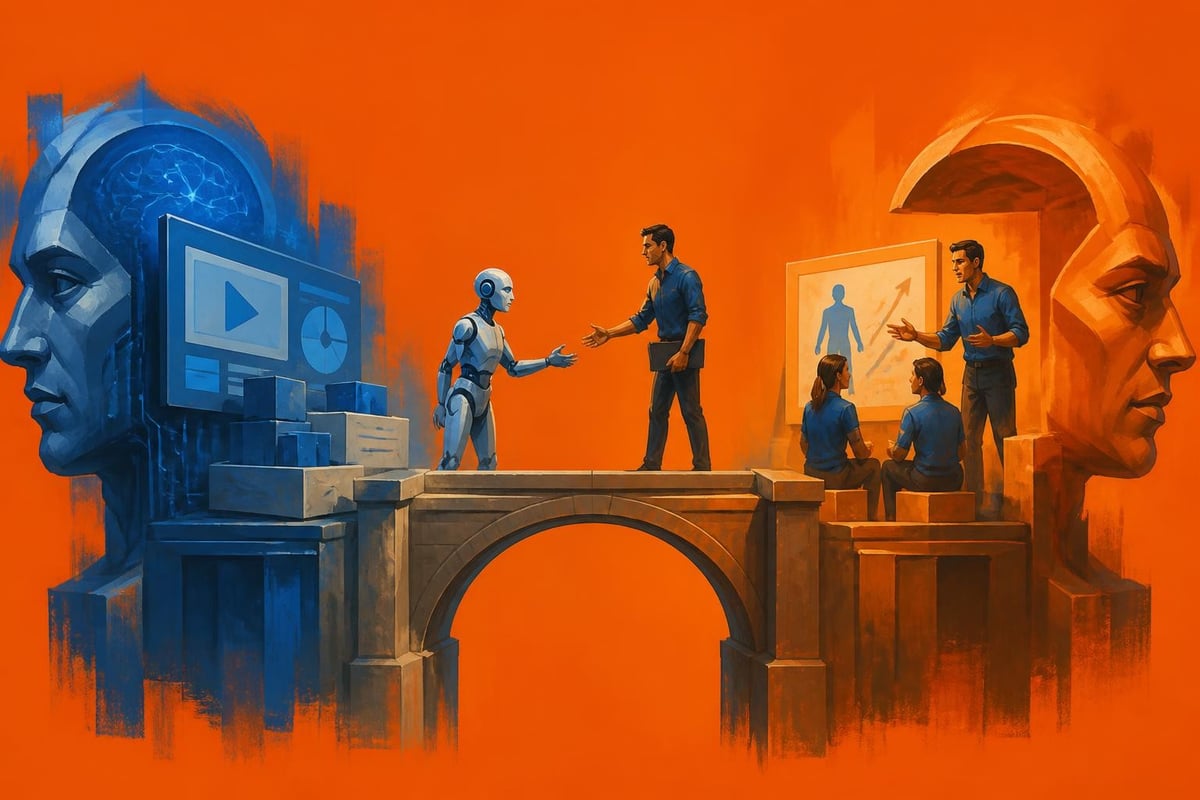
AI coaching tools have a role, but only when companies understand their limits and design implementations around proven development principles. The hard lessons from 2026 show that technology without human judgment, context awareness, and outcome accountability wastes budgets and manager trust. If you need executive coaching and leadership development that ties directly to business KPIs, Noomii Corporate Coaching works month-to-month with mid-market teams to deliver measurable results through live coaching, team facilitation, and scorecards that prove ROI.


Leave a Reply
Want to join the discussion?Feel free to contribute!