
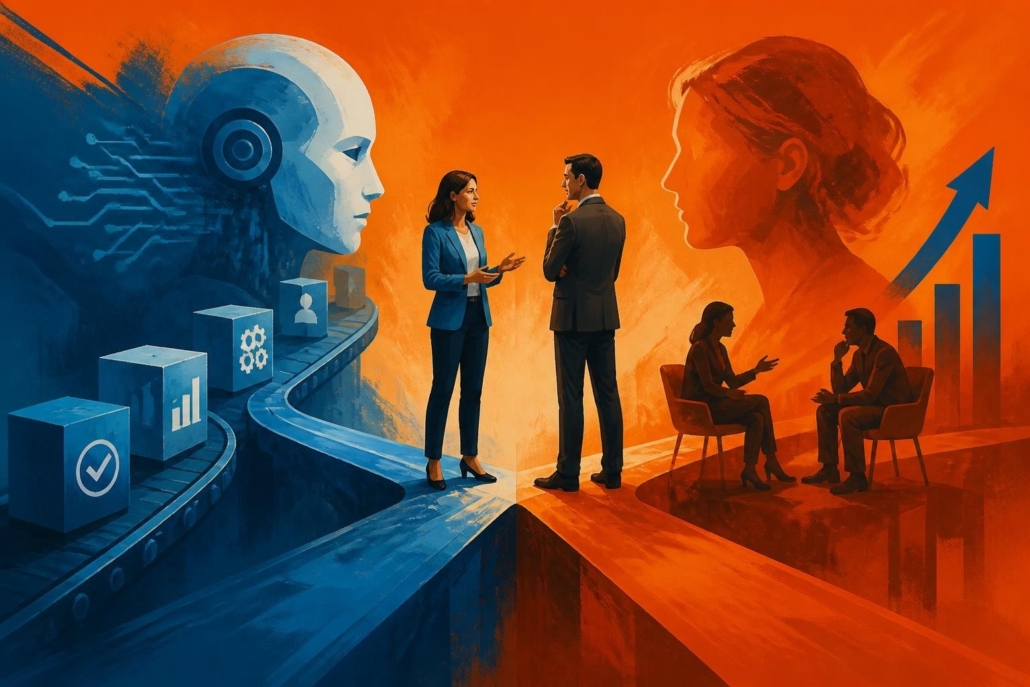
Will AI Replace Life Coaches? The 2026 Reality
The question "will AI replace life coaches" appears in search bars thousands of times monthly, and for good reason. ChatGPT writes accountability emails. AI platforms build habit trackers. Algorithms recommend next steps. Yet after observing coaching markets across industries since 2007, I've watched pattern after pattern emerge that reveals which coaches AI threatens, which it amplifies, and what buyers actually choose when real stakes are involved.
The Coaches AI Already Replaced
AI didn't wait until 2026 to start replacing coaches. It started years ago with the easiest targets.
Coaches who sold only information were first. If your entire service was explaining concepts clients could find on YouTube, AI summarized it faster. Generic mindset content, repackaged frameworks from books, and theory without application vanished overnight.
Template providers followed. Why pay $500 for a vision board template when AI generates one in seconds? Why hire someone to walk you through journaling prompts when AI tools now handle routine coaching tasks automatically?
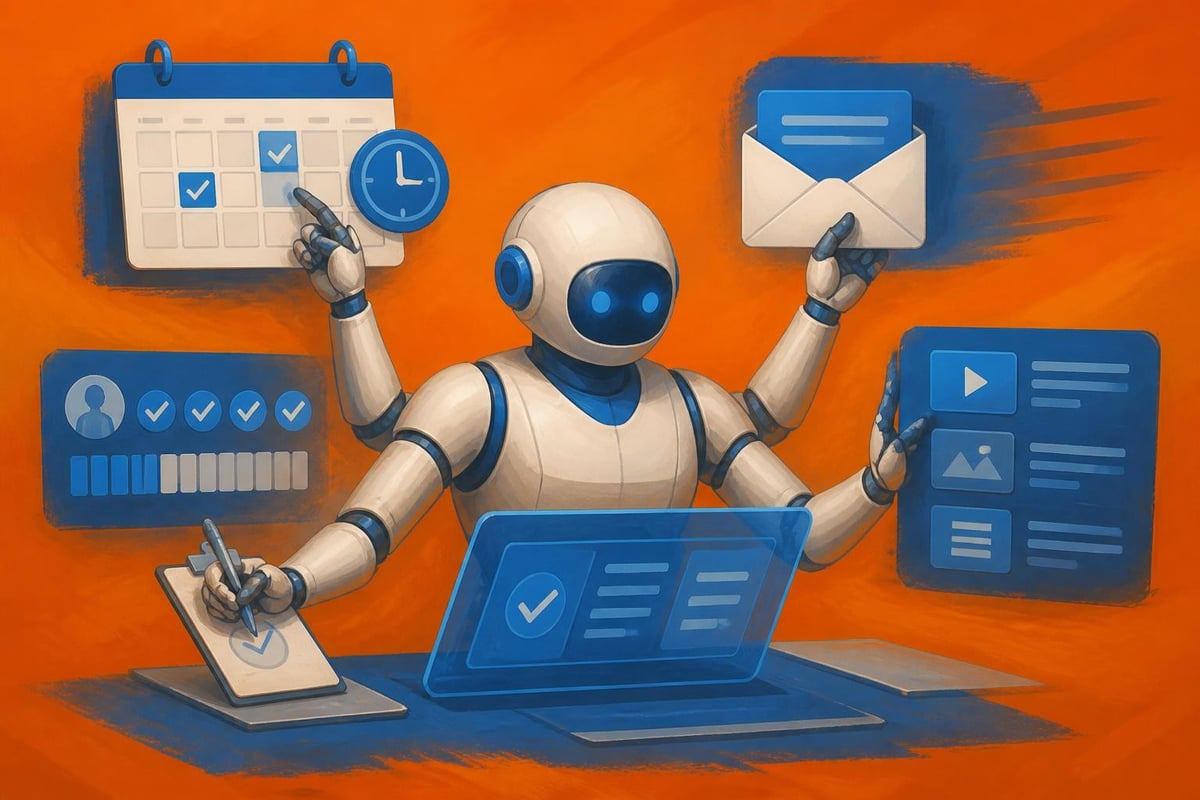
The pattern is clear: AI replaced output, not outcomes. Coaches who sold deliverables (worksheets, plans, frameworks) lost ground. Coaches who sold results (behavior change, decision quality, team performance) gained leverage.
Here's what separated survivors from casualties:
- Accountability that requires human judgment in live situations
- Pattern recognition from thousands of hours observing real leaders
- Business context that ties coaching to revenue, retention, or KPIs
- Live intervention during actual meetings, decisions, and conflicts
What Buyers Choose When Stakes Are High
I've analyzed thousands of corporate coaching purchases. When companies spend real money to fix real problems, demand for coaching grows precisely because AI can't deliver what matters most.
The Corporate Coaching Test
Mid-market companies with 25 to 500 employees face a simple question: Will this coaching improve decisions, reduce turnover, or accelerate execution?
They don't care about:
- Certifications (AI can explain any methodology)
- Content libraries (already overwhelmed with resources)
- Theory (everyone read the same books)
They care about:
- Faster decisions with fewer expensive mistakes
- Managers who actually coach instead of micromanaging
- Measurable KPIs tied to coaching investment
| What AI Handles | What Requires Human Coaches | What Buyers Pay For |
|---|---|---|
| Content delivery | Live meeting facilitation | Business results |
| Habit reminders | Accountability under pressure | Behavior change |
| Template generation | Pattern diagnosis across teams | Decision quality |
| Progress tracking | Real-time intervention | Execution velocity |
When I observe leadership coaches who survive and thrive, they share one trait: they tie every session to business outcomes clients can measure.
The AI Integration Mistake Most Coaches Make
Here's where the question "will ai replace life coaches" gets interesting. The answer isn't binary. It's strategic.
Forbes recently highlighted that coaches who fail to integrate AI appropriately fall behind, but integration doesn't mean what most think.
Wrong approach: Use AI to automate client interactions, generate coaching plans, or replace human judgment. This commoditizes your service and trains clients to bypass you entirely.
Right approach: Use AI for research, preparation, data analysis, and administrative tasks that free you to focus on high-stakes human intervention.
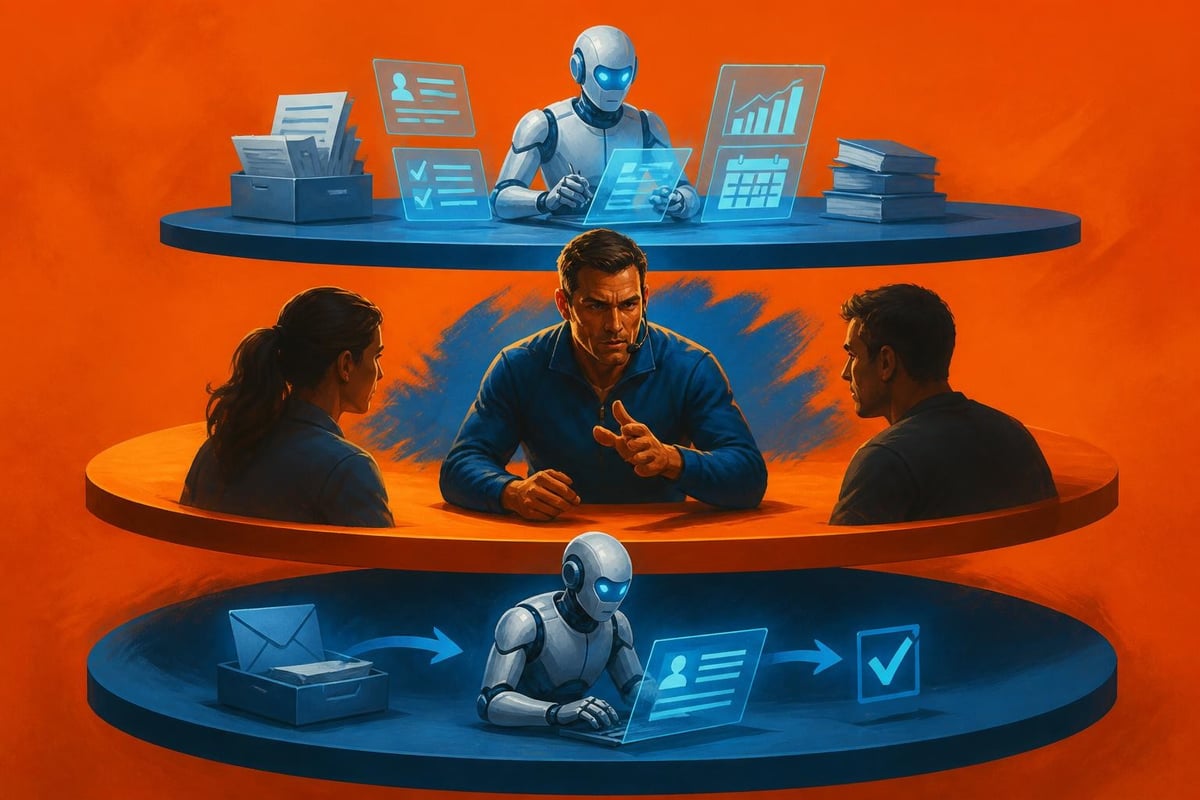
The Three-Layer Framework
After testing AI tools across dozens of coaching scenarios, three layers emerged:
- AI handles preparation (research, background, data synthesis)
- Humans deliver intervention (live coaching, accountability, pattern diagnosis)
- AI supports follow-through (reminders, tracking, documentation)
Coaches who master this framework increase capacity without diluting value. Those who automate layer two lose clients to free AI tools.
What the Data Shows About Replacement Risk
Research on AI’s impact across professional roles reveals a consistent pattern: AI replaces tasks, not expertise. The question becomes which tasks define your value.
I analyzed replacement risk across coaching types:
- Life coaches selling transformation: High risk if no measurable outcomes
- Executive coaches tied to KPIs: Low risk, increased demand
- Career coaches providing information: High risk, already automated
- Team coaches facilitating live conflict: Low risk, irreplaceable value
The distinction matters. Research shows AI can support coaching workflows but struggles with emotional intelligence, trust-building, and real-time judgment under pressure.
The Certification Trap
Many coaches believe credentials protect them from AI disruption. Pattern recognition suggests otherwise.
Certifications prove completion, not competence. AI can explain any certification framework better than most certified coaches. What AI can't replicate:
- 10,000 hours observing executive decisions under pressure
- Pattern recognition across hundreds of teams
- Diagnostic speed in live conflicts
- Credibility built from business results
Companies hiring executive coaches increasingly ask: "What results have you delivered?" not "What certifications do you hold?"
The Buyer Behavior Shift
The most significant change isn't AI capability. It's how buyers evaluate coaching.
Pre-AI buyer questions:
- What's your methodology?
- What certifications do you have?
- How long are sessions?
2026 buyer questions:
- What outcomes can you measure?
- How quickly will we see results?
- What happens if this doesn't work?
This shift exposes coaches who relied on information asymmetry. When AI democratizes access to coaching concepts, buyers pay only for expertise that delivers measurable business value.
The Contrarian Reality
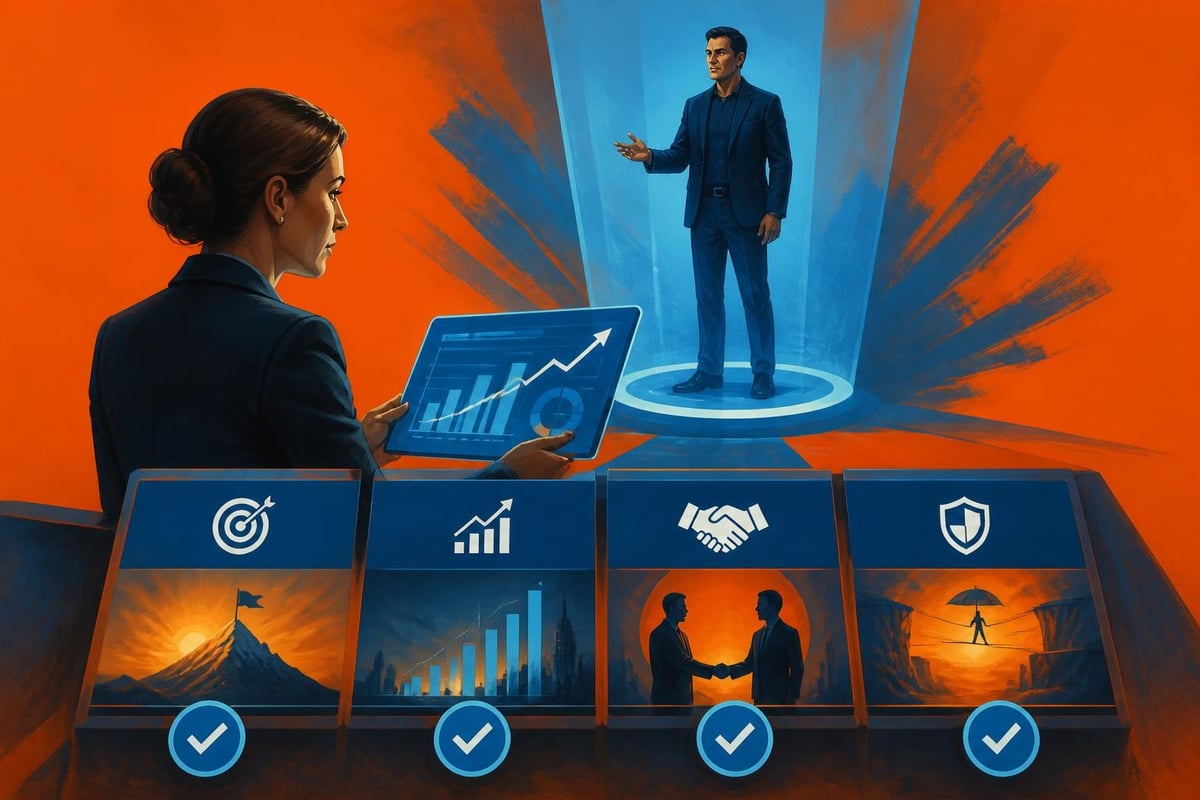
Here's what coaching industry observers miss: AI doesn't threaten good coaches. It exposes mediocre ones.
For years, weak coaches hid behind:
- Complex jargon (AI explains it simply)
- Proprietary frameworks (usually repackaged concepts)
- Information gatekeeping (now freely available)
- Credential worship (buyers see through it)
The coaches who thrive share different characteristics. They focus on what research confirms AI cannot replicate: the human relationship, real-time accountability, and business judgment refined through thousands of live interventions.
Will AI replace life coaches? It already replaced the ones selling outputs instead of outcomes. The rest have never been more valuable.
Frequently Asked Questions
Can AI provide the same accountability as a human life coach?
No. AI can send reminders and track progress, but it cannot provide the real-time judgment, pattern recognition, and adaptive accountability that emerges from human relationships under pressure. Effective accountability requires understanding context, reading resistance, and adjusting intervention based on behavioral cues AI cannot detect.
What coaching services are most vulnerable to AI replacement?
Coaches who primarily deliver information, templates, or generic advice face the highest replacement risk. Services built around content libraries, journaling prompts, or theoretical frameworks are easily automated. The vulnerability increases when no measurable business outcomes tie to the coaching investment.
How should professional coaches integrate AI tools effectively?
Use AI for preparation, research, and administrative tasks while reserving human intervention for high-stakes moments: live facilitation, conflict resolution, decision coaching, and accountability. The three-layer framework (AI preparation, human intervention, AI follow-up) maximizes both efficiency and value without commoditizing expertise.
Do coaching certifications protect against AI disruption?
No. Certifications prove completion of training, not coaching competence or business results. AI can explain any certification methodology better than most certified coaches. What protects coaches is demonstrated expertise: measurable outcomes, pattern recognition from experience, and business results clients can verify.
What makes corporate coaching AI-resistant?
Corporate coaching tied to business KPIs, team performance, and measurable outcomes resists AI replacement because it requires live judgment, real-time intervention, and accountability during actual business scenarios. Companies pay for results (faster decisions, better execution, higher retention) that require human expertise, not deliverables AI can generate.
Will AI coaching apps replace human coaches for personal development?
For low-stakes personal development focused on information or habit tracking, AI apps already provide sufficient value for many users. For high-stakes transformation requiring behavior change, accountability under pressure, or complex decision-making, human coaches remain significantly more effective because they adapt to context AI cannot fully understand.
How has buyer behavior changed in the coaching market due to AI?
Buyers increasingly ask about measurable outcomes, results timelines, and risk-sharing instead of methodologies or credentials. AI democratized access to coaching concepts, shifting buyer focus from information to expertise that delivers verified business value. This exposes coaches who relied on information asymmetry rather than demonstrated competence.
What coaching skills are most valuable in an AI-enhanced market?
Pattern recognition from extensive experience, diagnostic speed in live situations, real-time intervention during conflicts or critical decisions, and the ability to tie coaching to measurable business outcomes. These skills emerge from thousands of hours observing real leaders and teams, not from studying frameworks or completing certifications.
Can AI handle team coaching and facilitation effectively?
AI struggles with team dynamics requiring real-time reading of group tension, power dynamics, unspoken conflicts, and behavioral patterns that emerge in live interactions. While AI can support team coaching with data analysis and follow-up, the facilitation of productive conflict, trust-building, and breakthrough moments requires human judgment and adaptive intervention AI cannot replicate.
AI replaces coaches who sold outputs, but amplifies those who deliver measurable business results through live intervention and adaptive accountability. If you need practical corporate coaching that ties directly to KPIs like faster decisions, stronger execution, and higher retention, Noomii works month-to-month with mid-market companies and Fortune 500 divisions to build accountable leaders and teams. We coach live in your meetings, share risk through aligned incentives, and stay because results are visible, not because contracts trap you.



Leave a Reply
Want to join the discussion?Feel free to contribute!