

AI Coaching Lacked Human Judgment: The Cost of Automation
The promise sounded compelling: AI coaching platforms that scale expertise, deliver instant feedback, and cost a fraction of human coaches. Mid-market companies rushed to adopt these tools in 2024 and 2025, attracted by efficiency claims and scalability. But by mid-2026, a pattern emerged across executive teams, manager development programs, and leadership cohorts. AI coaching lacked human judgment in the moments that mattered most, the moments where careers shifted, teams fractured, or strategic decisions hung in balance. The gap between algorithmic pattern matching and seasoned coaching insight proved wider than vendors admitted.
Where AI Coaching Breaks Down in Real Business Contexts
The failure points appear predictable once you observe them across dozens of implementations. AI tools excel at structured scenarios: onboarding scripts, competency assessments, feedback delivery templates, and skill gap analysis. They stumble when context gets messy.
Common breakdown scenarios include:
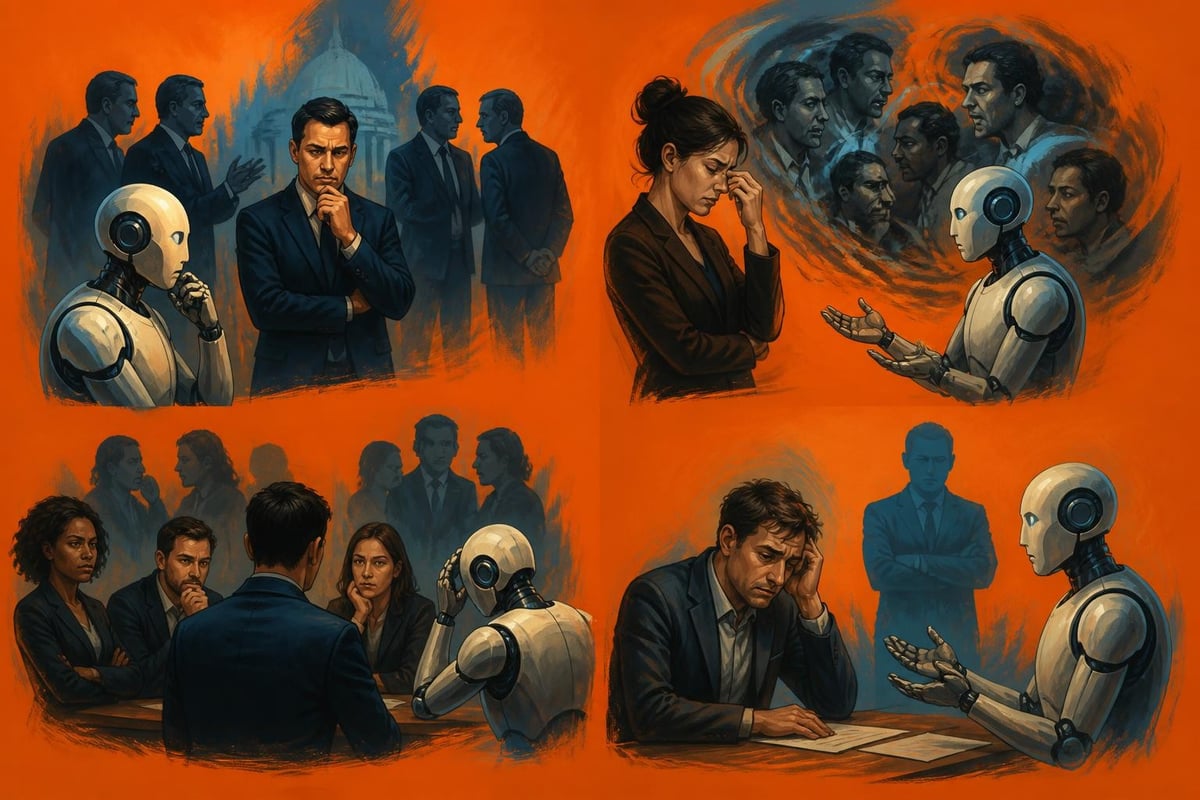
- A VP navigating a merger where political capital matters more than org chart logic
- A manager handling a termination where legal, emotional, and team morale factors intersect
- An executive team stuck in conflict where unspoken history shapes every exchange
- A high performer whose technical excellence masks interpersonal blind spots that threaten promotion
Research from HEC Paris confirms why AI won’t replace human coaches in these situations: trust and accountability require human presence. AI coaching lacked human judgment when reading between the lines, challenging denial, or knowing when to push versus when to give space.
The Systematic Bias Problem in AI Coaching Tools
A 2026 study highlighted in TechRadar found that AI has predictable and systematic biases when judging people, fundamentally different from human assessment patterns. In coaching applications, this creates dangerous blind spots.
Consider a leadership 360 assessment run through an AI platform. The tool flags communication style gaps based on keyword frequency and sentiment scores. It misses that the leader’s direct approach works in engineering culture but fails in cross-functional settings. A human coach recognizes this nuance in the first conversation.
| Assessment Dimension | AI Coaching Approach | Human Coaching Approach |
|---|---|---|
| Communication Style | Keyword frequency, sentiment analysis | Cultural context, audience adaptation |
| Decision Making | Speed metrics, data usage | Political implications, stakeholder impact |
| Conflict Resolution | Resolution rate, time to close | Relationship preservation, long-term dynamics |
| Strategic Thinking | Goal alignment scores | Market timing, competitive positioning |
The pattern repeats: AI measures what’s quantifiable while missing what’s critical. When Fortune 500 leaders face complexity, they need coaches who have seen similar situations play out across industries and can draw from pattern recognition that transcends algorithmic logic.
The Critical Thinking Erosion Nobody Discusses
Here’s the risk organizations overlook: AI coaching doesn’t just fail to replace human judgment. It actively erodes the judgment of the people it’s supposed to develop.
A recent report found that AI might be harming our critical thinking skills because reliance on AI makes people less likely to admit uncertainty. When managers receive AI-generated coaching suggestions, they treat them as authoritative without questioning context or testing assumptions. The “AI said so” defense becomes a shortcut that bypasses the critical thinking that leadership development should build.
Observable impacts in manager training programs:
- Reduced questioning of coaching recommendations
- Over-reliance on standardized frameworks that don’t fit specific situations
- Decreased confidence in intuitive judgment calls
- Hesitation to deviate from prescribed approaches even when context demands it
This creates a dangerous dependency cycle. Organizations adopt AI coaching to scale development, which reduces critical thinking capacity, which increases the need for external guidance, which drives more AI adoption. The spiral continues until someone asks whether the coaching is actually developing judgment or replacing it.
What Effective Coaching Requires That AI Cannot Deliver
After observing hundreds of coaching engagements across mid-market companies and Fortune 500 divisions, certain capabilities separate transformative coaching from check-the-box development exercises.
Real-Time Adaptation in Live Business Settings
The most valuable coaching happens inside actual meetings, sales calls, strategy sessions, and team conflicts. A coach sits in your weekly leadership meeting, observes the dynamics, and intervenes when communication breaks down or decisions stall. AI coaching lacked human judgment here because it cannot read room energy, body language, or the subtle signals that indicate when to interrupt versus when to let tension surface.
Forbes outlines why AI coaching can’t replace the real thing in personalized, empathetic guidance. The difference between processing data and understanding people shows up most clearly when stakes are high and emotions run hot.

Accountability That Ties to Business Outcomes
Effective coaching connects leadership development to measurable business results: revenue growth, retention rates, decision velocity, project completion, customer satisfaction. This requires understanding your business model, competitive position, and operational constraints.
AI platforms track completion rates and engagement scores. Human coaches track whether your managers can now run effective one-on-ones that reduce turnover, whether your sales leaders can coach pipeline rigor that increases close rates, and whether your executive team can make faster decisions that accelerate execution. Understanding business coach costs means evaluating ROI against real outcomes, not activity metrics.
| Metric Type | AI Coaching Focus | Outcome-Based Coaching Focus |
|---|---|---|
| Engagement | Platform logins, module completion | Behavior change in actual meetings |
| Skill Development | Assessment score improvement | Performance improvement in role |
| Team Impact | Sentiment survey scores | Retention, productivity, decision speed |
| ROI Measurement | Cost per coaching hour | Revenue impact, efficiency gains |
Challenge and Confrontation When Needed
Seasoned coaches know when to challenge denial, confront avoidance, or push back on self-serving narratives. AI coaching lacked human judgment in these moments because algorithms optimize for user satisfaction and engagement, not uncomfortable truth.
When an executive blames their team for execution failures while ignoring their own clarity gaps, a human coach calls it out directly. When a manager claims they’re coaching their people but actually micromanaging, a skilled coach surfaces the contradiction with specific examples. The People Space examines where AI coaching fails, particularly in emotional intelligence and trust building that enables difficult conversations.
The AI Augmentation Model That Actually Works
The solution isn’t abandoning AI tools entirely. It’s using them appropriately while preserving human judgment where it matters.
Effective AI applications in coaching ecosystems:
- Prep work: 360 data collection, scheduling, pre-session assessments
- Pattern recognition: Highlighting trends across team feedback or performance data
- Resource delivery: Providing frameworks, articles, and tools based on development themes
- Progress tracking: Monitoring KPIs and connecting them to coaching focus areas
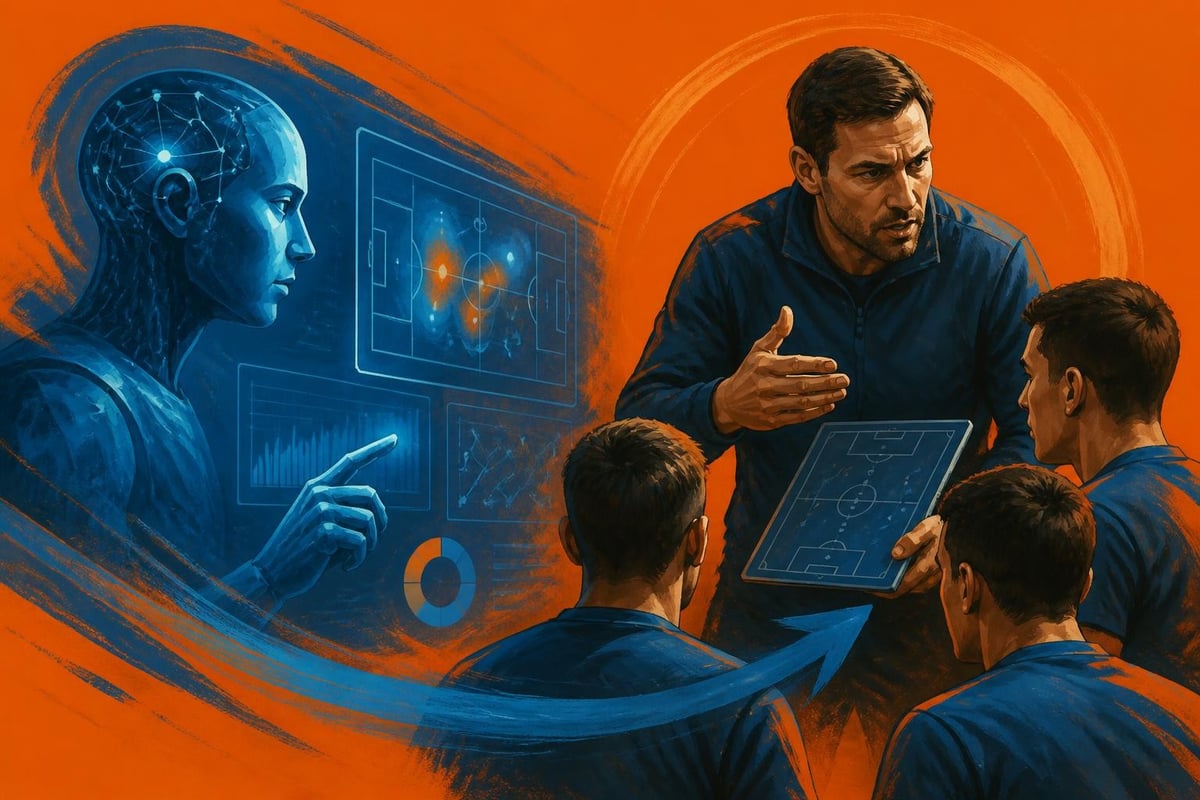
Human coaches then interpret that data through business context, challenge the narratives, coach live in meetings, and hold leaders accountable to outcomes. This is why best practices for AI in business coaching emphasize augmentation over replacement.
The vendors claiming AI can replace executive coaching are selling efficiency at the cost of effectiveness. The organizations succeeding with AI use it to enhance human coaching, not substitute for it.
Frequently Asked Questions
What specific situations expose gaps in AI coaching judgment?
AI coaching struggles most with political navigation, layered conflicts involving unspoken history, performance issues where technical skill masks interpersonal gaps, and strategic decisions requiring market timing and competitive positioning beyond algorithmic analysis.
Can AI coaching tools damage leadership development outcomes?
Yes, through critical thinking erosion. When leaders rely on AI recommendations without questioning context, they develop dependency rather than judgment. This reduces their ability to make intuitive calls in novel situations where frameworks don’t apply.
How do systematic biases in AI affect coaching effectiveness?
AI judges people through keyword frequency, sentiment scores, and quantifiable metrics while missing cultural context, audience adaptation needs, and relationship dynamics that determine whether leadership approaches actually work in specific business settings.
What makes live coaching more effective than AI-generated feedback?
Live coaching allows real-time intervention during actual meetings, sales calls, and team conflicts. Coaches read room energy, body language, and subtle signals to know when to interrupt, challenge, or let tension surface for productive resolution.
How should organizations measure coaching ROI beyond activity metrics?
Focus on business outcomes: retention rates, decision velocity, revenue growth, project completion speed, and customer satisfaction. Effective coaching changes behavior in ways that move these numbers, not just completion rates and engagement scores.
Where does AI augmentation work best in coaching programs?
AI excels at prep work (360 data collection, scheduling), pattern recognition across feedback, resource delivery based on themes, and progress tracking that connects KPIs to coaching focus. Human coaches then provide interpretation, challenge, and accountability.
What signals indicate an organization is over-reliant on AI coaching?
Watch for managers defaulting to “AI said so” explanations, reduced questioning of recommendations, hesitation to deviate from prescribed frameworks even when context demands it, and declining confidence in intuitive judgment calls.
How do ethical concerns differ between AI and human coaching?
AI coaching raises transparency and autonomy issues: users often don’t understand how recommendations are generated or what biases influence them. Human coaching maintains clearer accountability and allows clients to challenge reasoning directly.
What coaching capabilities require human expertise regardless of AI advancement?
Challenging denial and self-serving narratives, reading political undercurrents, knowing when to push versus give space, connecting leadership development to specific business model constraints, and coaching through emotionally charged transitions like terminations or mergers.
AI coaching lacked human judgment when real business complexity demanded pattern recognition that transcends algorithms, the ability to challenge leaders in the moment, and accountability tied to measurable outcomes rather than engagement metrics. If you need coaching that develops judgment rather than replacing it, connects leadership development to business results, and works inside your actual meetings where decisions happen, Noomii delivers practical corporate coaching with month-to-month terms, no long contracts, and aligned incentives so you stay because results are visible. We coach live, tie progress to clear KPIs, and share the risk with you.



Leave a Reply
Want to join the discussion?Feel free to contribute!