
Find Life Coaches: A Corporate Leadership Guide for 2026
The decision to find life coaches for your leadership team represents a significant investment in organizational performance. With the coaching industry experiencing unprecedented growth and minimal regulation, HR leaders and executives face a critical challenge: identifying qualified professionals who deliver measurable results rather than motivational platitudes. The right coaching partnership transforms leadership effectiveness, addresses toxic workplace behaviors, and creates sustainable cultural change. The wrong choice wastes resources and potentially damages employee trust.
Understanding the Corporate Coaching Landscape
The coaching market in 2026 presents both opportunities and obstacles. Organizations seeking to find life coaches for leadership development must navigate an industry where anyone can claim expertise without standardized qualifications.
The regulation gap creates three immediate challenges:
- Credential verification requires understanding multiple certification bodies
- Quality assessment demands evaluation frameworks beyond marketing materials
- ROI measurement necessitates clear performance indicators from the outset
Industry Certification Standards
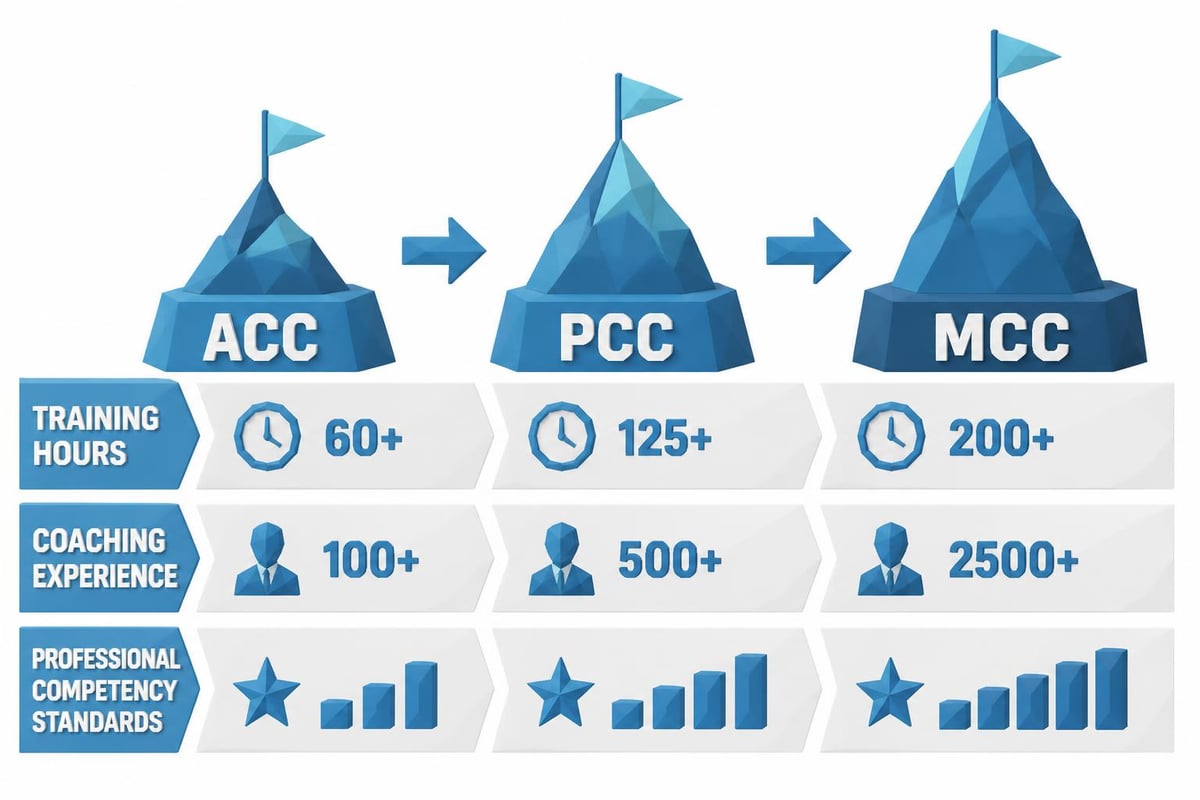
When you evaluate life coach credentials, focus on certifications from established organizations. The International Coaching Federation (ICF), Center for Credentialing & Education (CCE), and National Board for Health and Wellness Coaching (NBHWC) maintain rigorous standards.
ICF credentials require specific training hours: Associate Certified Coach (ACC) demands 60 hours of coach-specific training plus 100 coaching hours, while Professional Certified Coach (PCC) requires 125 training hours and 500 coaching hours. These benchmarks separate weekend certificate holders from professionals with proven experience.
The unregulated nature of life coaching means certification demonstrates professionalism but doesn't guarantee sector-specific expertise. Government agencies and Fortune 500 companies need coaches who understand regulatory compliance, stakeholder management, and institutional decision-making frameworks.
Aligning Coaching Specialties with Organizational Needs
Generic life coaching rarely addresses the nuanced challenges of corporate leadership. Organizations must find life coaches whose specializations match their specific performance gaps.
| Leadership Challenge | Required Coach Expertise | Measurable Outcomes |
|---|---|---|
| Toxic leadership patterns | Behavioral psychology, conflict resolution | Engagement scores, retention rates |
| Executive decision-making | Strategic planning, risk assessment | Decision velocity, outcome quality |
| Team communication | Organizational psychology, systems thinking | Collaboration metrics, project delivery |
| Cultural transformation | Change management, values alignment | Culture surveys, performance indicators |
Sector-Specific Experience Matters
A coach with expertise in healthcare leadership brings different competencies than one specializing in technology startups. When organizations attempt to find life coaches, they should prioritize professionals who understand their industry's unique pressures.
For government agencies, coaches must navigate political dynamics, mission-driven cultures, and public accountability. For financial services firms, regulatory knowledge and risk management expertise become essential. The coach selection process should evaluate past client profiles and demonstrated results in comparable environments.
Similar to how you would find a career coach with industry-specific knowledge, leadership coaching requires professionals who speak your organization's language and understand its operational realities.
The Coach Matching Process
Traditional approaches to find life coaches rely on referrals, directory searches, or consulting firm recommendations. These methods introduce bias and often miss optimal matches between coach capabilities and leadership development needs.
Effective matching protocols include:
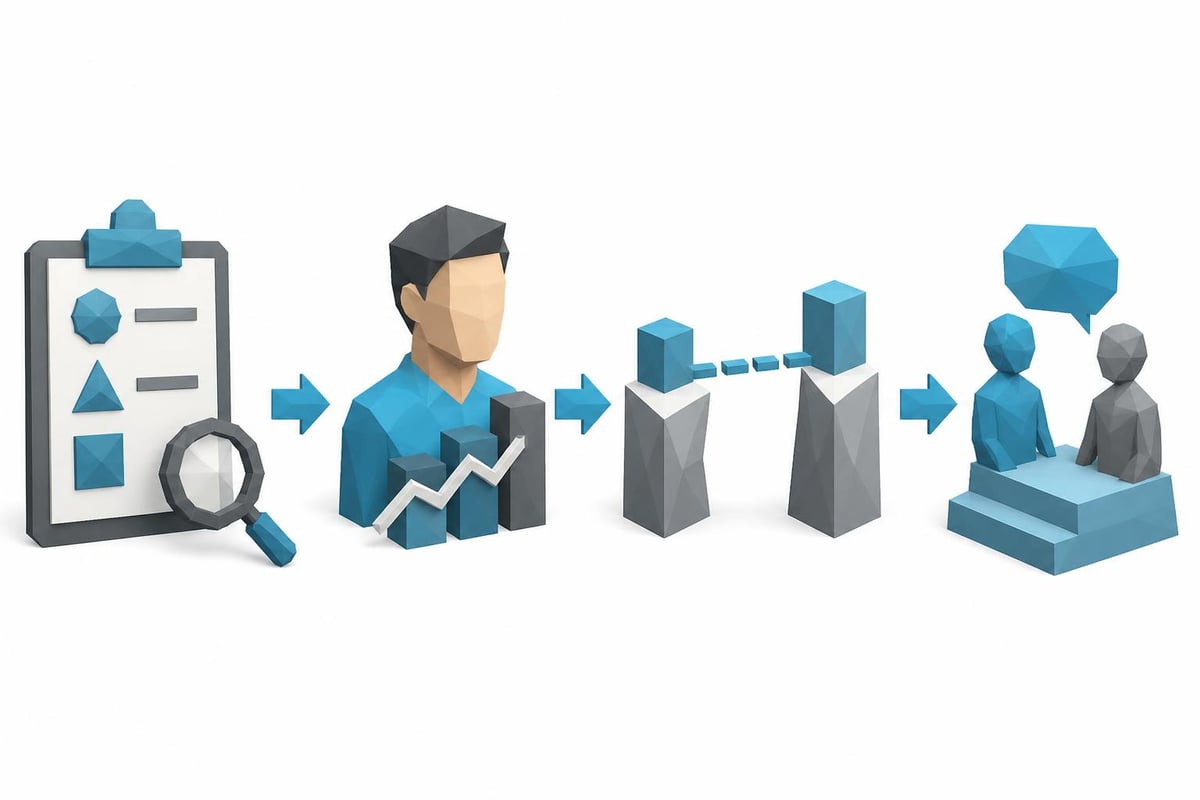
- Comprehensive needs assessment – Document specific leadership gaps, behavioral patterns, and organizational objectives
- Capability mapping – Identify required coach competencies, sector experience, and methodological approaches
- Cultural alignment evaluation – Assess compatibility with organizational values and communication styles
- Chemistry testing – Conduct structured interviews to evaluate interpersonal dynamics
- Reference verification – Validate claimed results with previous clients in similar contexts
Red Flags in Coach Selection
Several warning signs indicate potential problems when organizations find life coaches. Coaches who guarantee specific outcomes overpromise; human behavior change involves too many variables for absolute predictions. Professionals who avoid discussing their methodology likely lack structured approaches.
Understanding how to identify qualified coaches helps organizations avoid costly mistakes. Coaches resistant to measurement frameworks, unwilling to align with organizational objectives, or dismissive of existing internal programs create more problems than they solve.
The coaching relationship requires transparency. Coaches should clearly articulate their process, explain their theoretical foundations, and demonstrate how they track progress. Vague responses to direct questions about methodology signal potential issues.
Evidence-Based Assessment and Diagnostics
Before organizations find life coaches and initiate engagements, validated assessment tools establish baselines for measuring growth. Generic personality tests provide limited value for leadership development; organizations need instruments designed specifically for executive performance.
Validated Assessment Instruments
The Leadership Practices Inventory (LPI), Hogan Assessment Suite, and 360-degree feedback instruments provide data-driven insights into leadership strengths and development areas. These tools measure specific behaviors rather than abstract qualities, enabling precise intervention design.
Advanced diagnostics identify patterns invisible to casual observation. A leader rated low on "inspiring a shared vision" requires different coaching than one struggling with "modeling the way." Assessment precision enables coach matching based on demonstrated expertise addressing identified gaps.
Organizations should insist coaches integrate assessment data into development planning. The diagnostic phase isn't administrative overhead; it's the foundation for targeted, measurable interventions that address toxic leadership behaviors or strengthen strategic decision-making capabilities.
Structuring Effective Coaching Engagements
Once organizations find life coaches appropriate for their needs, engagement structure determines success probability. Poorly defined coaching relationships produce ambiguous results and make ROI measurement impossible.
Essential engagement components include:
- Clear performance objectives tied to organizational goals
- Defined session frequency, duration, and total engagement length
- Specific deliverables beyond coaching conversations
- Measurement protocols using leading and lagging indicators
- Stakeholder communication plans for transparency and accountability
Integration with Internal Development Frameworks
Coaching shouldn't operate in isolation from existing leadership development initiatives. The most effective programs connect coaching interventions with internal training, mentorship programs, and succession planning processes.
When HR leaders find life coaches for their organizations, they should seek professionals who collaborate rather than compete with internal resources. Coaches who view themselves as external experts superior to internal capabilities create friction and reduce program effectiveness.
Progressive organizations use coaching as one component of comprehensive leadership ecosystems. Understanding psychological safety in the workplace requires systemic interventions where coaching addresses individual leadership behaviors while organizational policies support cultural transformation.
Cost Structures and ROI Expectations
Financial considerations influence how organizations find life coaches and structure engagements. Coaching investments range from modest individual packages to enterprise-wide programs requiring significant budget allocation.
| Engagement Type | Typical Investment Range | Expected Outcomes |
|---|---|---|
| Individual executive coaching | $8,000-$25,000 (6-month engagement) | Enhanced decision-making, improved team performance |
| Team coaching programs | $15,000-$50,000 per team | Stronger collaboration, reduced conflict |
| Enterprise leadership development | $100,000-$500,000+ annually | Cultural transformation, retention improvement |
Measuring Return on Investment
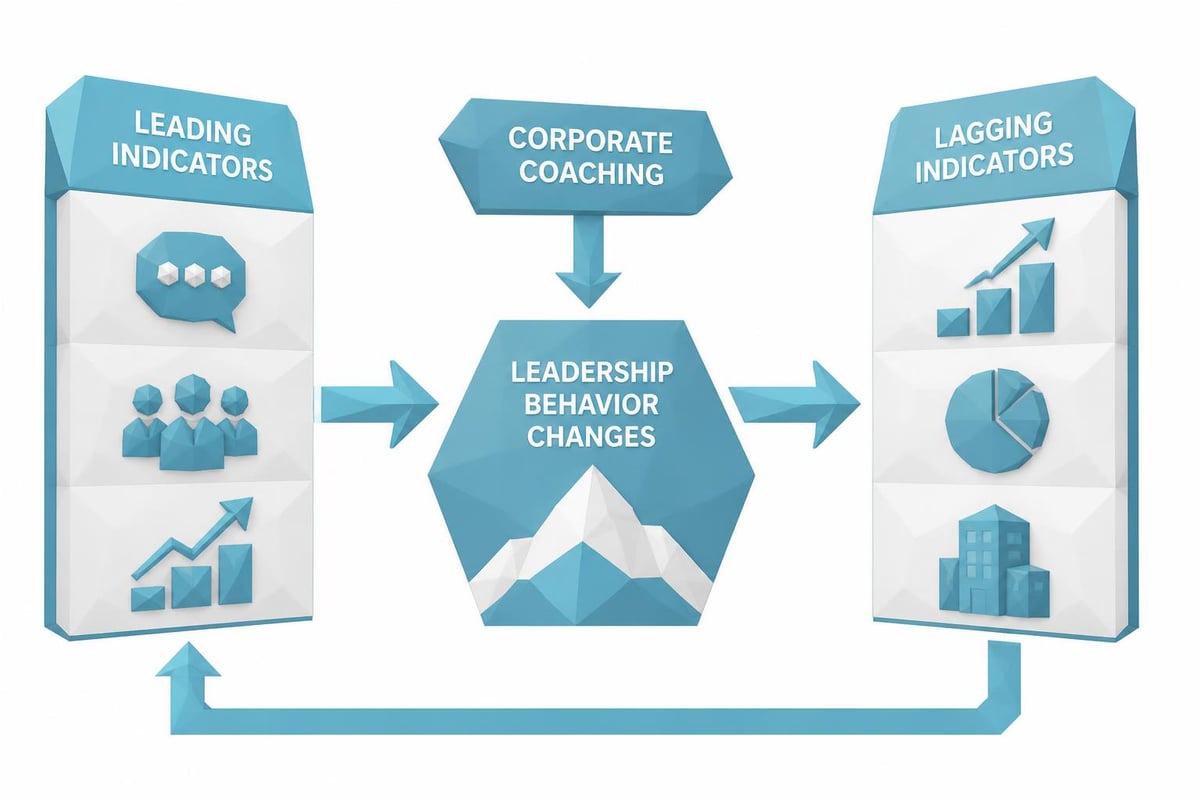
Understanding coaching cost structures helps organizations budget appropriately, but ROI measurement justifies continued investment. Leading indicators include engagement scores, 360-degree feedback improvements, and behavioral observation data. Lagging indicators track retention rates, promotion readiness, and team performance metrics.
Sophisticated organizations establish baseline measurements before coaching begins, then track changes quarterly. The most compelling ROI calculations connect leadership behavior changes to business outcomes: revenue growth, customer satisfaction improvements, or operational efficiency gains.
When you find life coaches for corporate programs, insist on measurement protocols from the engagement's beginning. Coaches unwilling to commit to outcome tracking lack confidence in their methodology or resist accountability.
Scalable Solutions for Organizations
Small businesses might find life coaches for individual executives, but enterprise organizations and government agencies require scalable approaches. Programs serving hundreds of leaders across multiple locations demand different infrastructure than boutique coaching relationships.
Technology-Enabled Coaching Platforms
Digital tools expand access and reduce costs without sacrificing quality. Virtual coaching sessions eliminate travel expenses and scheduling friction. Platform-based solutions track engagement data, provide assessment tools, and generate analytics impossible with traditional approaches.
The integration of AI in business coaching augments human coaches rather than replacing them. AI-powered tools analyze communication patterns, provide micro-learning resources between sessions, and alert coaches to potential issues requiring intervention.
Technology platforms also enable better matching at scale. Algorithms consider dozens of variables simultaneously, identifying optimal coach-leader pairings based on development needs, industry experience, communication preferences, and scheduling requirements.
Compliance and Governance Considerations
Regulated industries and government agencies face additional complexity when they find life coaches. Coaching programs must align with organizational policies, ethical standards, and sometimes legal requirements.
Critical compliance factors include:
- Data privacy and confidentiality protocols
- Conflict of interest disclosure requirements
- Professional liability insurance verification
- Adherence to sector-specific regulations
- Documentation standards for coaching interventions
Governance Alignment
Organizations accountable to boards, taxpayers, or regulatory bodies need coaching programs that withstand scrutiny. This means documented selection processes, clear vendor management procedures, and transparent reporting on program effectiveness.
When government HR leaders find life coaches, they often navigate procurement regulations requiring competitive bidding, diversity considerations, and detailed performance specifications. The administrative complexity necessitates working with coaching providers experienced in public sector engagement protocols.
Fortune 500 companies face different but equally demanding governance requirements. Coaching programs involving C-suite executives require board awareness, succession planning integration, and often confidentiality measures beyond standard practice.
Building Long-Term Coaching Partnerships
Transactional approaches to find life coaches produce inconsistent results. Organizations achieving sustained leadership development cultivate ongoing relationships with coaching providers who understand their culture, track their progress, and adapt to evolving needs.
Preferred provider relationships offer multiple advantages. Coaches familiar with organizational context require less onboarding time for new engagements. Long-term partners invest in understanding industry trends affecting their clients. Established relationships enable honest feedback that new vendors hesitate to provide.
Continuous Improvement Cycles
The most sophisticated organizations treat coaching programs as evolving systems requiring regular optimization. Annual program reviews assess what's working, identify gaps, and adjust matching criteria or intervention protocols.
Data accumulated across multiple coaching engagements reveals patterns. Perhaps leaders from specific departments show common development needs. Maybe certain coach specializations produce better outcomes than others. These insights enable progressive refinement impossible with one-time coaching purchases.
Similar to how organizations develop comprehensive leadership development plans, coaching programs benefit from strategic thinking that extends beyond individual engagements to long-term capability building.
Evaluating Coach Effectiveness
Once organizations find life coaches and launch engagements, ongoing evaluation ensures quality and enables course correction. Passive monitoring allows ineffective coaching to continue unchecked; active assessment protects organizational investment.
Evaluation mechanisms should include:
- Leader self-assessments at 30, 60, and 90 days
- Stakeholder feedback from direct reports and peers
- Progress reviews against established objectives
- Coach adherence to methodology and session commitments
- Organizational impact metrics tied to coaching goals
The Cleveland Clinic’s guidance on working with life coaches emphasizes ongoing communication and adjustment. Leadership coaching requires flexibility; rigid adherence to initial plans ignores emerging insights and changing organizational priorities.
Addressing Special Leadership Challenges
Organizations don't typically find life coaches for routine management development. Coaching investments address specific, often urgent leadership challenges requiring expert intervention.
Toxic Leadership Patterns
Leaders exhibiting destructive behaviors create organizational crises. High-performing executives with abrasive styles, managers who micromanage talented teams, or leaders whose political maneuvering undermines collaboration all require specialized coaching interventions.
Coaches addressing toxic patterns need psychological training, experience with difficult personalities, and frameworks for behavior modification. Generic motivational coaching fails in these contexts; targeted interventions based on behavioral psychology succeed.
Effective toxic leadership coaching includes:
- 360-degree feedback revealing behavioral impact
- Accountability structures enforcing changed behaviors
- Stakeholder repair processes rebuilding damaged relationships
- Ongoing monitoring preventing relapse into old patterns
Executive Decision-Making Enhancement
Senior leaders make consequential decisions under uncertainty with incomplete information. Coaching that strengthens executive judgment, risk assessment, and strategic thinking delivers disproportionate organizational value.
Decision-making coaching employs case analysis, scenario planning exercises, and cognitive bias awareness training. Coaches help executives recognize their decision patterns, identify blind spots, and develop more robust analytical frameworks.
Practical Implementation Steps
Organizations ready to find life coaches need structured implementation approaches that move from exploration to execution efficiently.
Phase 1: Needs clarification (2-4 weeks)
Define specific leadership challenges requiring coaching intervention. Document desired outcomes using measurable criteria. Identify target participants and establish budget parameters.
Phase 2: Market research and vendor identification (3-6 weeks)
Research coaching providers with relevant expertise. Evaluate credentials, methodologies, and client references. Develop shortlist of qualified candidates.
Phase 3: Proposal evaluation and selection (2-4 weeks)
Request detailed proposals addressing your specific needs. Conduct stakeholder interviews with finalist coaches. Assess cultural fit and methodology alignment.
Phase 4: Program design and launch (4-8 weeks)
Collaborate with selected coaches to design intervention protocols. Establish measurement frameworks and reporting schedules. Communicate program objectives to participants and stakeholders.
Phase 5: Execution and optimization (ongoing)
Launch coaching engagements with clear expectations. Monitor progress against established metrics. Adjust approaches based on emerging insights and feedback.
Organizations seeking coaching directory resources can accelerate the vendor identification phase, but thorough evaluation remains essential regardless of discovery method.
Finding the right life coaches for your leadership team requires strategic thinking, rigorous evaluation, and clear success metrics. Organizations that invest time in proper coach selection, needs assessment, and program design achieve transformational results. The Noomii Corporate Leadership Program eliminates guesswork from the coaching process through evidence-based diagnostics, precision matching algorithms, and a global network of certified executive coaches specializing in corporate leadership challenges. Whether you're addressing toxic leadership patterns, strengthening executive decision-making, or building resilient organizational cultures, Noomii delivers scalable, measurable solutions aligned with your institutional priorities. Discover how structured, data-driven coaching partnerships drive sustainable leadership excellence at Noomii Leadership Coaching, and explore additional resources on accountability frameworks at AccountabilityNow to complement your leadership development initiatives.



Leave a Reply
Want to join the discussion?Feel free to contribute!