
Digital Product Management Course: Building Leaders
The demand for skilled product leaders who can navigate digital transformation continues to surge across mid-market companies and Fortune 500 divisions. A digital product management course equips professionals with frameworks that translate directly into faster decision-making, clearer execution, and measurable business outcomes. For managers seeking to build accountable teams and drive ROI, understanding product management principles creates a foundation for stronger leadership development and operational excellence.
Why Product Management Skills Matter for Leadership Development
Product management extends far beyond software development teams. The core competencies-hypothesis-driven decision making, customer-centric thinking, and outcome-based measurement-apply directly to leadership challenges across organizations.
Mid-market companies benefit when leaders adopt product thinking:
- Faster prioritization across competing initiatives
- Clear KPIs tied to business outcomes
- Stronger cross-functional communication
- Data-informed decisions rather than intuition alone
- Improved team accountability through transparent metrics
The University of Virginia’s comprehensive curriculum covers agile methodologies and hypothesis-driven development, providing structured approaches that translate into practical leadership frameworks. These same principles underpin effective executive coaching programs that focus on measurable results rather than theoretical concepts.
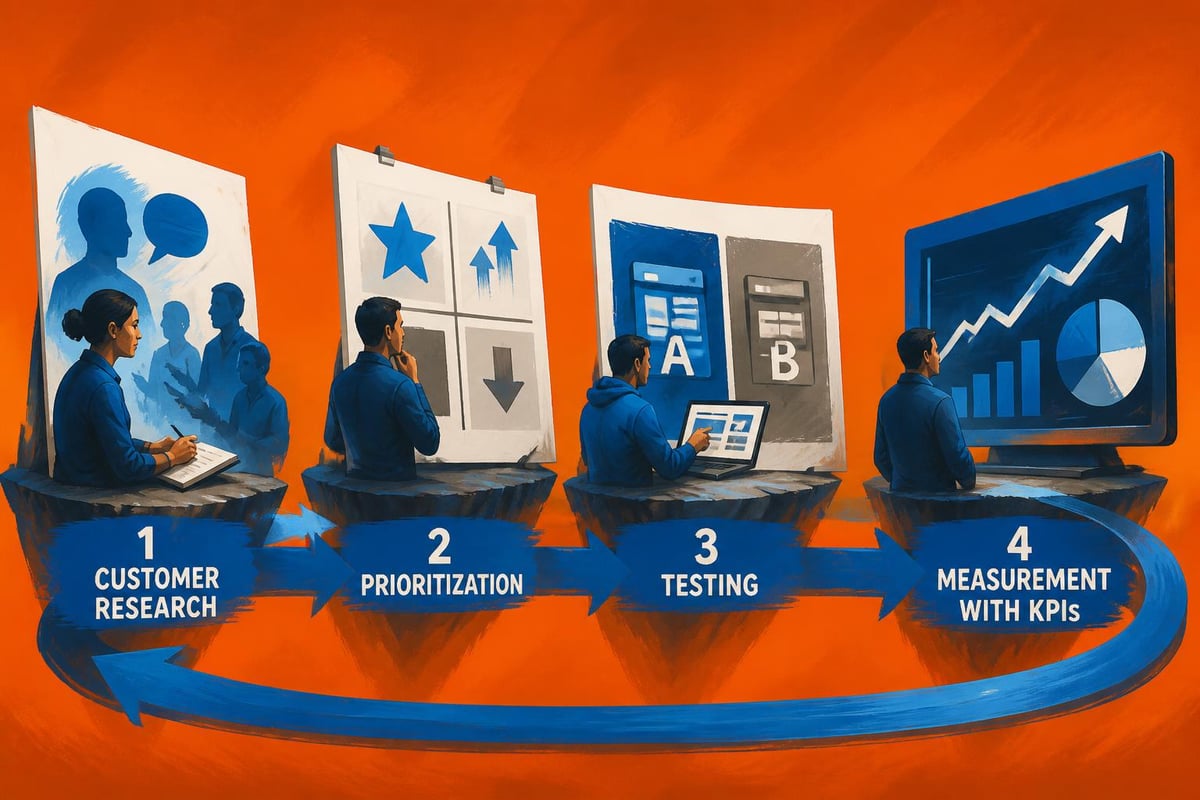
Core Competencies Taught in Digital Product Management Programs
A rigorous digital product management course builds specific skills that mirror the competencies required for effective leadership. Understanding these parallels helps organizations invest in development programs that deliver tangible business value.
Strategic Thinking and Prioritization
Product managers learn to evaluate opportunities through multiple lenses: market potential, technical feasibility, and alignment with organizational goals. This framework applies directly to leadership challenges when manager training focuses on helping teams identify high-impact priorities.
| Product Management Skill | Leadership Application | Business Outcome |
|---|---|---|
| Roadmap planning | Strategic initiative sequencing | Cleaner execution |
| Stakeholder management | Cross-functional alignment | Faster decisions |
| Metrics definition | KPI scorecard development | Visible ROI |
| User research | Team feedback integration | Higher engagement |
Agile Methodologies and Iterative Development
Georgetown University’s certificate program emphasizes human-centered design and agile development. These approaches mirror effective coaching methodologies that prioritize iteration, feedback, and continuous improvement.
Leaders who understand sprint planning, retrospectives, and continuous delivery can coach their teams more effectively. They recognize that progress happens through small, measurable increments rather than massive transformations.
Practical Applications for Corporate Teams
The frameworks taught in a digital product management course translate directly into improved team performance when leaders apply product thinking to operational challenges.
Real-world applications include:
- Operating Cadence Design: Product sprint structures inform weekly team rhythms and quarterly planning cycles
- Performance Metrics: OKR frameworks from product management create transparent accountability
- Customer Focus: User research methodologies improve how teams gather client feedback
- Risk Management: Product experimentation approaches reduce costly mistakes in strategic initiatives
- Communication Protocols: Product documentation practices strengthen cross-functional collaboration
Organizations working with Noomii see how product management principles enhance leadership development programs. When coaches integrate these frameworks into live meeting facilitation, teams adopt data-driven decision making and clearer accountability structures.
Selecting the Right Training Program
Not all digital product management programs deliver equal value for leadership development. Organizations should evaluate courses based on practical application rather than theoretical depth alone.
Key Selection Criteria
Program structure matters significantly. The Productside training course offers outcome-driven playbooks and hands-on templates, emphasizing practical application over academic theory. This approach aligns with corporate coaching models that prioritize visible results and measurable business impact.
Consider these factors when evaluating programs:
- Time commitment: Self-paced options versus intensive bootcamps
- Practical tools: Access to templates, frameworks, and real-world case studies
- Certification value: Industry recognition and credibility
- Cost structure: Investment relative to expected business outcomes
- Application focus: Balance between digital products and broader business applications
Integration with Leadership Coaching Programs
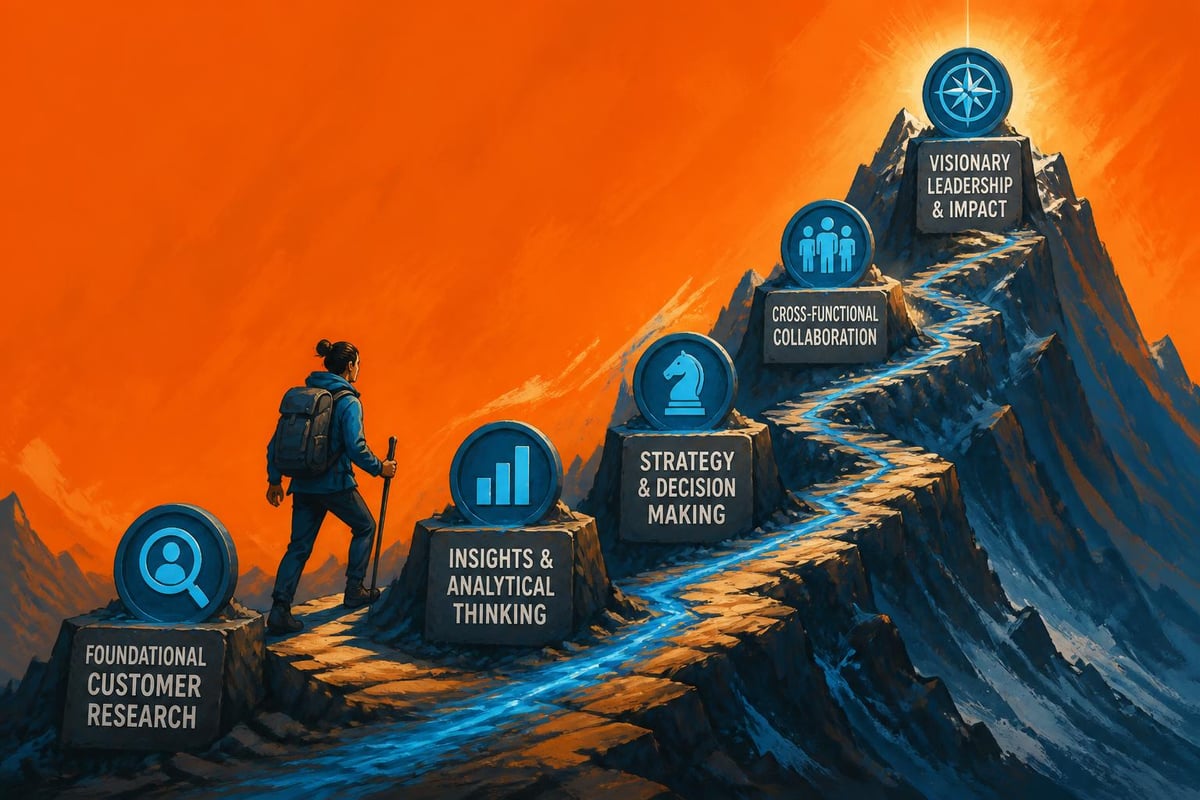
The most effective development programs combine digital product management principles with personalized coaching that addresses specific organizational challenges. This integration creates compounding value through both skill acquisition and behavioral change.
Building Manager Capability
When managers complete a digital product management course and receive concurrent coaching support, they can immediately apply new frameworks to real business situations. Coaches help translate abstract concepts into concrete actions tied to team KPIs and business objectives.
This dual approach accelerates several critical outcomes:
- Managers learn to coach their own teams using product thinking
- Cross-functional communication improves through shared frameworks
- Strategic discussions become more focused and data-driven
- Team members see clearer connections between daily work and business results
Organizations implementing this approach through resources like best AI for business coaching tools find that technology enhances rather than replaces human coaching relationships. The combination of structured frameworks and personalized guidance creates sustainable behavioral change.
Measuring Training ROI
Product management education emphasizes measurement and iteration. Organizations should apply the same rigor when evaluating leadership development investments.
| Metric Category | Specific Measurements | Target Timeline |
|---|---|---|
| Decision velocity | Time from discussion to commitment | 30-60 days |
| Team alignment | Survey scores on clarity and priorities | 60-90 days |
| Execution quality | On-time delivery of strategic initiatives | 90-120 days |
| Employee retention | Voluntary turnover rates for key talent | 6-12 months |
| Revenue impact | Growth in key business metrics | 6-12 months |
Tracking these metrics parallels how product managers measure feature adoption and customer satisfaction. The accountability frameworks used in product development apply equally to leadership development programs, creating transparent visibility into program effectiveness.
Building Sustainable Leadership Capabilities
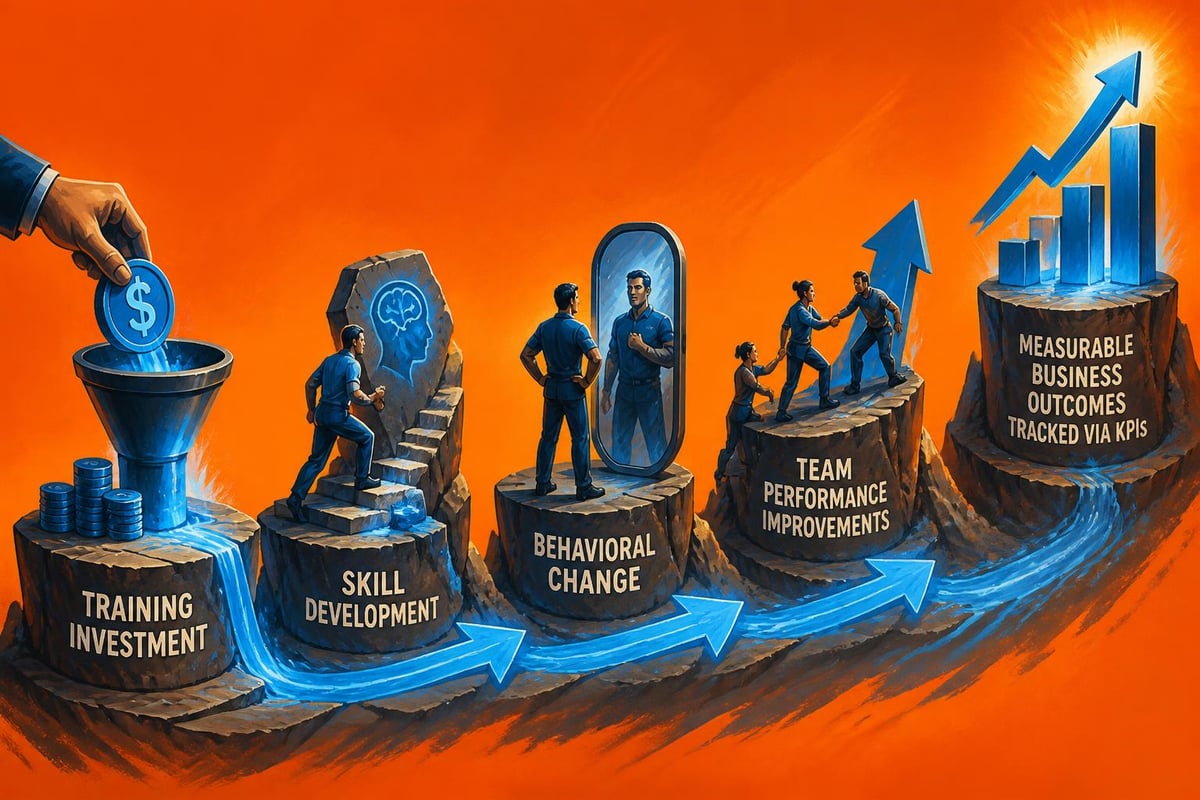
A digital product management course provides valuable frameworks, but sustainable change requires ongoing practice and reinforcement. Organizations that combine training with regular coaching touchpoints see significantly higher adoption rates and longer-lasting behavioral changes.
Sustainability factors include:
- Regular application of new frameworks in live business situations
- Peer learning communities that reinforce concepts
- Coach feedback on real-world application attempts
- Iterative refinement based on results
- Integration into existing operating rhythms rather than separate initiatives
The most successful implementations avoid treating product management training as a one-time event. Instead, they weave principles into existing leadership development programs, team meetings, and strategic planning processes. This embedded approach, similar to how Noomii coaches work directly in client meetings, creates lasting organizational capability rather than temporary knowledge transfer.
Leaders who internalize product thinking become more effective coaches for their own teams, creating multiplier effects throughout the organization. They ask better questions, make decisions based on data rather than assumptions, and create clearer accountability structures that drive execution.
Digital product management principles provide powerful frameworks for building accountable leaders and high-performing teams. When combined with practical coaching that ties learning to clear business KPIs, these approaches deliver measurable results including faster decisions, stronger communication, and cleaner execution across priorities. Noomii Corporate Coaching helps mid-market companies integrate these frameworks into real business situations through hands-on facilitation and results-focused coaching with month-to-month terms and visible ROI.



Leave a Reply
Want to join the discussion?Feel free to contribute!