
Our Leader: Building Effective Leadership in 2026
Every organization faces a pivotal question: how do we develop our leader to drive measurable results while navigating complex challenges? In 2026, the answer lies not in generic training programs, but in precision-engineered leadership development that addresses specific behavioral patterns, cultural dynamics, and strategic priorities. The role of our leader extends far beyond traditional management-it encompasses cultural stewardship, strategic vision, and the ability to inspire accountability across teams. When organizations invest in targeted leadership coaching, they transform individual competencies into institutional advantages that compound over time.
The Evolution of Leadership Development in Modern Organizations
The landscape of executive development has undergone radical transformation over the past decade. Traditional leadership training emphasized theoretical frameworks and one-size-fits-all approaches that rarely translated into sustainable behavioral change. Today's organizations demand evidence-based interventions that directly address the unique challenges our leader faces in real-time.
Research demonstrates that effective leadership coaching requires foundational principles including psychological safety, self-awareness, and structured accountability. These elements create the conditions necessary for our leader to move beyond surface-level adjustments and embrace deep, transformational growth.
Why Generic Training Fails Our Leader
Most corporate training programs deliver content without context, flooding our leader with information that lacks direct application to their specific challenges. This approach produces three critical failures:
- Misalignment between content and organizational reality: Generic frameworks don't address the unique cultural dynamics, compliance requirements, or strategic priorities facing our leader
- Lack of personalized accountability: Without individualized support, our leader struggles to translate learning into consistent behavioral change
- Absence of measurable outcomes: Traditional training rarely connects leadership development to business metrics, making ROI impossible to demonstrate
The consequences extend beyond wasted training budgets. When our leader receives inadequate development support, teams experience decreased engagement, strategic initiatives stall, and organizational culture deteriorates.
Evidence-Based Diagnostics: Understanding Our Leader's Capabilities
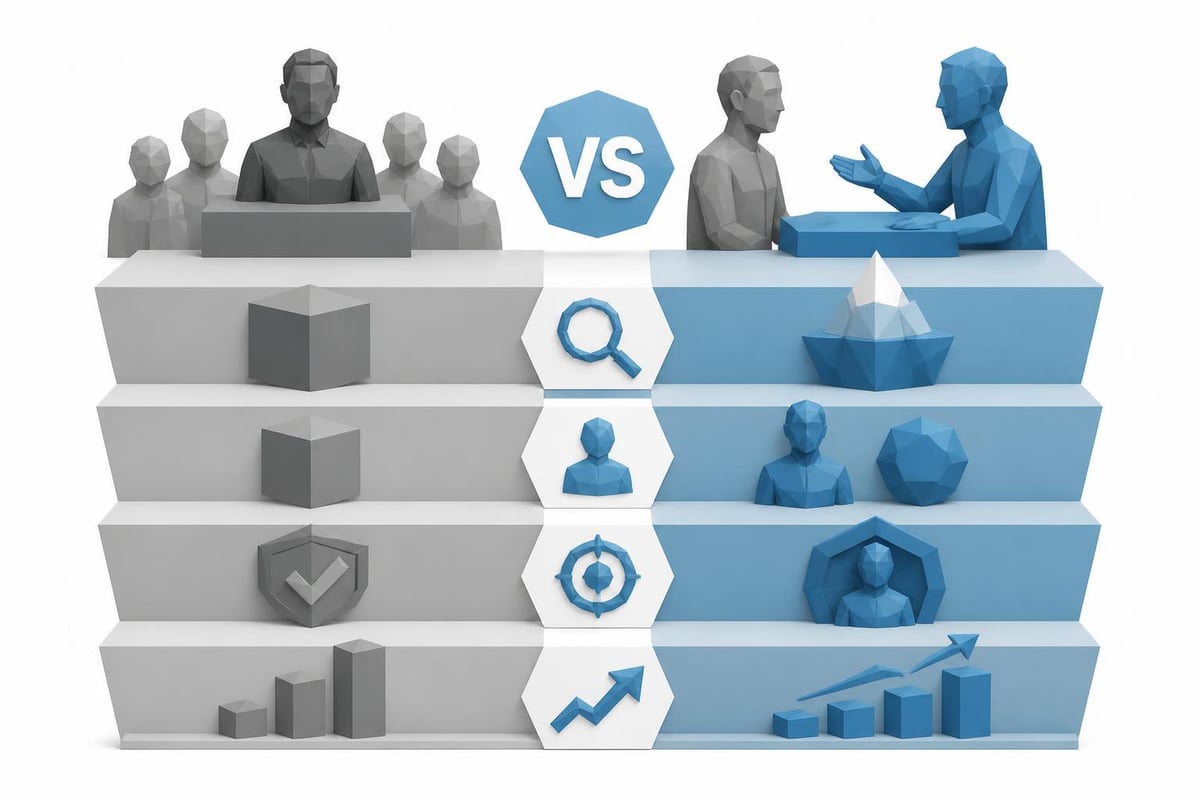
Effective leadership development begins with accurate assessment. Our leader requires comprehensive diagnostics that reveal not only current competencies but also hidden behavioral patterns that impact team dynamics and organizational performance.
Advanced assessment methodologies combine multiple data sources to create a complete picture of our leader's strengths, development areas, and leadership style. These diagnostics go beyond self-reported surveys to include 360-degree feedback, behavioral observations, and validated psychological instruments that identify specific growth opportunities.
| Assessment Component | What It Reveals | Impact on Our Leader |
|---|---|---|
| Behavioral Pattern Analysis | Decision-making tendencies, stress responses, conflict approaches | Identifies unconscious habits affecting team dynamics |
| 360-Degree Feedback | Perception gaps between self-assessment and team experience | Reveals blind spots our leader cannot see independently |
| Strategic Thinking Evaluation | Problem-solving methodology, long-term planning capabilities | Determines readiness for expanded responsibilities |
| Cultural Alignment Assessment | Values congruence, organizational citizenship behaviors | Measures our leader's impact on workplace culture |
These diagnostic tools create a baseline that makes leadership growth quantifiable. Without accurate measurement, organizations cannot determine whether investments in our leader's development produce tangible returns.
The Precision Matching Advantage
Once assessment reveals our leader's specific needs, the next critical step involves pairing them with the right coach. The coaching industry contains tremendous variability in expertise, methodology, and specialization. Matching our leader with a coach who lacks relevant sector experience or specialized skills in addressing their particular challenges virtually guarantees mediocre results.
Precision matching algorithms consider multiple factors beyond basic credentials. They evaluate our leader's industry context, the specific behavioral challenges identified in diagnostics, preferred communication styles, and the coach's track record addressing similar situations. This sophisticated approach ensures our leader works with someone who understands their unique pressures and possesses proven methodologies for the exact growth areas identified.
Organizations that implement executive coaching with strategic matching report significant improvements in leadership behaviors, team collaboration, and organizational performance. The difference lies in relevance-our leader receives guidance directly applicable to their reality rather than generic advice.
Addressing Toxic Patterns: When Our Leader Needs Intervention
One of the most challenging scenarios organizations face involves recognizing when our leader exhibits toxic behaviors that undermine team performance and cultural health. These patterns often develop gradually, making them difficult to identify until significant damage has occurred.
Common toxic leadership indicators include:
- Inconsistent decision-making that creates team confusion and anxiety
- Failure to provide clear expectations while demanding perfect execution
- Taking credit for team successes while deflecting responsibility for failures
- Creating competitive dynamics that prevent collaboration
- Demonstrating favoritism that erodes trust and psychological safety
Addressing these patterns requires specialized intervention. Our leader may lack awareness that their behaviors create negative impacts, or they may feel defensive when confronted with feedback. Understanding toxic leadership dynamics provides the foundation for targeted coaching that transforms destructive patterns into productive leadership behaviors.
The Intervention Framework
Successful intervention follows a structured approach that balances accountability with support. Our leader needs to understand the specific behaviors requiring change, the impact those behaviors create, and the alternative approaches that will drive better outcomes.
Phase One: Creating Awareness
Our leader receives concrete feedback documenting specific behaviors and their measurable impacts. This evidence-based approach removes ambiguity and establishes clear expectations for change.
Phase Two: Building Alternative Capabilities
Coaching focuses on developing new behavioral patterns our leader can apply immediately. This includes communication techniques, emotional regulation strategies, and decision-making frameworks aligned with organizational values.
Phase Three: Reinforcement and Accountability
Ongoing support ensures our leader maintains new behaviors under pressure. Regular check-ins, progress assessments, and continued coaching prevent regression to previous patterns.
Strategic Leadership Development: Preparing Our Leader for Greater Responsibility
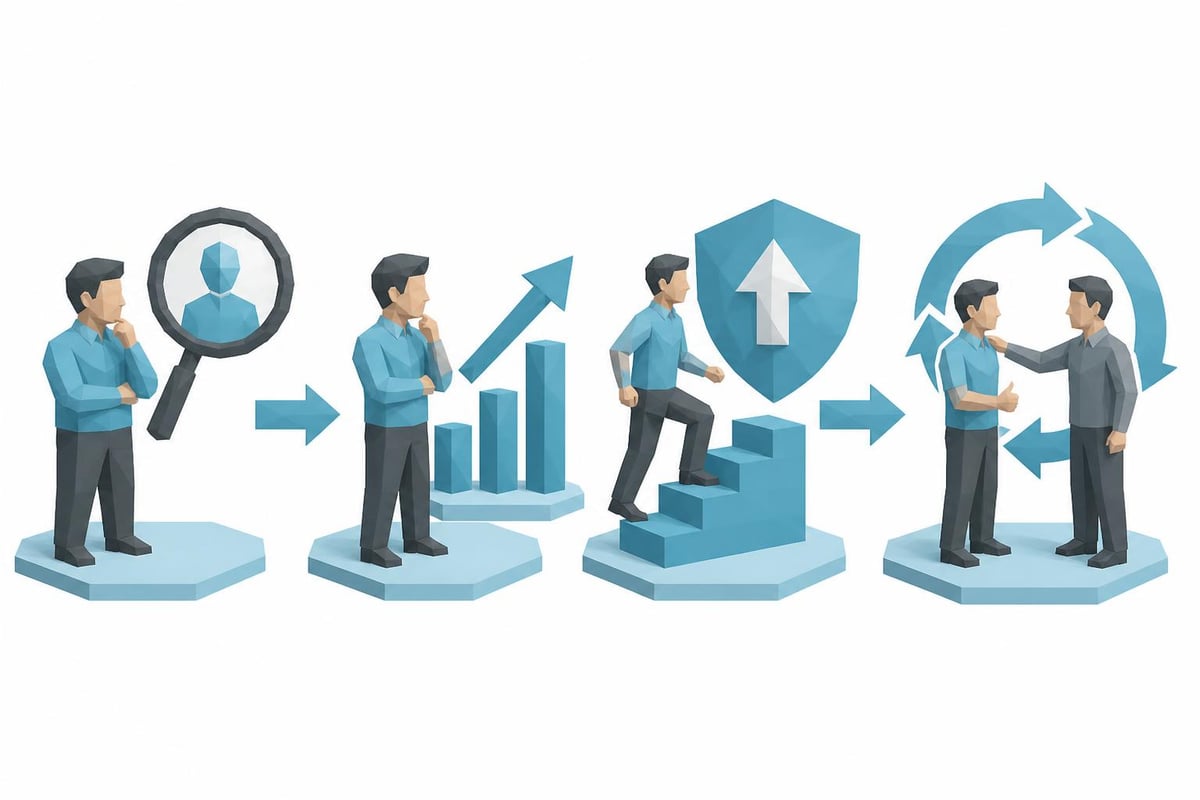
Organizations invest in leadership development not just to fix problems but to prepare our leader for expanded responsibilities. As businesses scale, enter new markets, or navigate strategic transformations, the capabilities our leader needs evolve significantly.
Strategic leadership development anticipates future requirements rather than simply addressing current gaps. This forward-looking approach ensures our leader develops competencies before they're urgently needed, creating organizational agility and succession planning confidence.
Critical Competencies for Executive-Level Leadership
The transition from functional leadership to executive responsibility requires our leader to master fundamentally different skills. While tactical expertise drives early career success, executive performance demands strategic thinking, stakeholder management, and systems-level understanding.
Organizations implementing executive coaching best practices focus development efforts on these transformational competencies:
- Strategic Vision Development: Our leader learns to identify long-term opportunities, assess competitive dynamics, and articulate compelling visions that align stakeholder interests
- Cross-Functional Integration: Breaking down silos requires our leader to understand diverse business functions and facilitate collaboration across organizational boundaries
- Stakeholder Influence: Executive success demands our leader effectively engage boards, investors, customers, and community partners with varying priorities
- Change Leadership: Transformation initiatives fail without our leader's ability to build coalition support, communicate urgency, and sustain momentum through resistance
- Talent Development: Organizational sustainability requires our leader to develop the next generation of leaders while maintaining current performance
These capabilities cannot be developed through reading or classroom training alone. Our leader needs experiential learning opportunities, expert guidance navigating complex situations, and structured reflection to internalize executive-level thinking.
Measuring Leadership Impact: Demonstrating ROI for Our Leader's Development
Executive coaching represents a significant organizational investment. Demonstrating tangible returns requires moving beyond anecdotal improvements to quantifiable metrics that connect our leader's development to business outcomes.
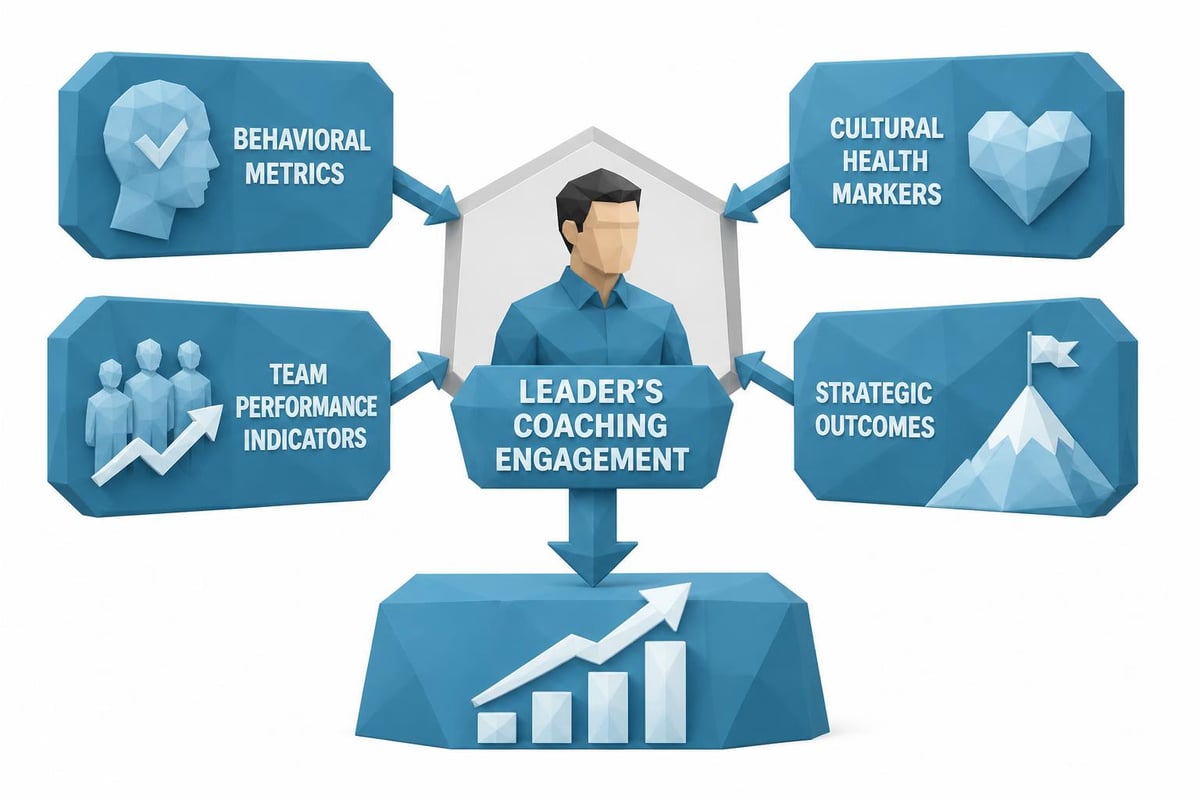
Effective measurement frameworks track multiple dimensions:
- Behavioral Change Metrics: Documented shifts in our leader's decision-making patterns, communication effectiveness, and team engagement approaches
- Team Performance Indicators: Changes in team productivity, quality metrics, innovation output, and employee retention under our leader's supervision
- Cultural Health Markers: Improvements in psychological safety, collaboration patterns, and values alignment within our leader's sphere of influence
- Strategic Outcome Achievement: Progress on key initiatives our leader owns, including timeline adherence, stakeholder satisfaction, and business impact
Organizations questioning whether business coaching delivers ROI find compelling evidence when they implement rigorous measurement frameworks. The key lies in establishing baseline metrics before coaching begins and tracking changes throughout the engagement.
| Metric Category | Before Coaching | After 6 Months | Business Impact |
|---|---|---|---|
| Team Engagement Score | 62% | 81% | Reduced turnover, increased productivity |
| Strategic Initiative Completion | 45% on-time | 78% on-time | Accelerated market responsiveness |
| Cross-Functional Collaboration | 3.2/5 rating | 4.4/5 rating | Improved innovation, reduced conflicts |
| Direct Report Development | 1.2 promotions/year | 3.1 promotions/year | Strengthened succession pipeline |
These metrics demonstrate how investing in our leader creates ripple effects throughout the organization. When our leader improves, entire teams benefit, cultural health strengthens, and strategic execution accelerates.
Compliance and Governance: Ensuring Our Leader Meets Standards
Government agencies and heavily regulated industries face unique requirements when developing our leader. Leadership development initiatives must align with compliance standards, ethical guidelines, and governance frameworks specific to their sectors.
Our leader in public service contexts operates under intense scrutiny, transparency requirements, and mission-driven constraints that commercial leaders rarely encounter. Development programs must account for these realities while still delivering performance improvements.
Critical considerations include:
- Conflict of interest protocols that govern our leader's external relationships and professional development activities
- Documentation requirements ensuring coaching conversations maintain appropriate boundaries
- Accessibility standards guaranteeing equitable development opportunities across leadership levels
- Privacy protections balancing assessment data collection with employee rights
- Procurement compliance when selecting coaching providers and services
Organizations serving government agencies understand these complexities and structure coaching engagements accordingly. Our leader receives development support that enhances performance while maintaining full compliance with regulatory requirements.
Building Public Trust Through Leadership Excellence
For our leader in government or public-facing roles, competence directly impacts institutional credibility. Citizens, stakeholders, and oversight bodies evaluate organizational effectiveness through the visible behaviors and decisions our leader makes daily.
Leadership development in these contexts serves dual purposes: enhancing individual capabilities while strengthening public confidence in institutional leadership. When our leader demonstrates consistent ethical decision-making, transparent communication, and effective stewardship of public resources, they build trust that extends beyond their immediate organization.
This reputational dimension makes coaching investments particularly valuable. Our leader's growth creates positive perceptions that facilitate stakeholder cooperation, regulatory relationships, and community partnerships essential for mission success.
Global Leadership Challenges: Adapting Our Leader to International Contexts
As organizations expand globally, our leader faces complexity that domestic experience cannot fully prepare them for. Cultural intelligence, regulatory diversity, time zone coordination, and distributed team management require specialized capabilities most leaders develop through difficult experiences rather than proactive preparation.
Strategic leadership development addresses these challenges before our leader struggles with them. Coaching focused on global competencies helps our leader understand cultural communication differences, navigate varying business practices, and build trust across geographical boundaries.
Essential global leadership capabilities:
- Cultural Adaptation: Our leader learns to recognize cultural assumptions, adjust communication styles, and demonstrate respect for diverse perspectives
- Remote Team Excellence: Managing distributed teams requires our leader to master asynchronous communication, virtual collaboration tools, and remote performance management
- Regulatory Navigation: Our leader develops frameworks for understanding varying compliance requirements across jurisdictions
- Time Management Across Zones: Effective global leadership demands our leader optimize scheduling, meeting facilitation, and decision-making processes that accommodate international teams
Organizations with leadership coaching programs spanning multiple regions benefit from coaches with international experience who understand the specific challenges our leader encounters in different markets. This specialized expertise accelerates our leader's global effectiveness and reduces costly mistakes.
Technology and Leadership: Preparing Our Leader for Digital Transformation
Digital transformation initiatives fail more often from leadership challenges than technical obstacles. Our leader must guide teams through technology adoption, process redesign, and cultural shifts that automation and digital tools create. Without proper preparation, our leader may resist changes they don't understand or push technology solutions that ignore human factors.
Leadership coaching for digital contexts helps our leader develop comfort with emerging technologies while maintaining focus on the human elements of transformation. This balanced approach ensures our leader champions innovation without sacrificing team engagement or customer experience.
Research on leadership coaching integrated with technology demonstrates that our leader benefits from understanding both the strategic potential of digital tools and the change management expertise required for successful implementation.
Data-Driven Decision Making
Modern leadership demands our leader utilize data analytics, performance dashboards, and predictive modeling to inform strategic choices. However, data literacy varies significantly across leadership populations. Our leader may feel overwhelmed by analytical tools or over-rely on metrics while ignoring qualitative factors.
Coaching helps our leader develop balanced analytical capabilities:
- Understanding what metrics matter: Our leader learns to identify leading indicators versus lagging measures and connect data to strategic priorities
- Interpreting patterns accurately: Statistical literacy enables our leader to distinguish meaningful trends from random variation
- Integrating quantitative and qualitative insights: Our leader develops judgment that balances data signals with experiential knowledge and stakeholder perspectives
- Communicating data-driven decisions: Effective leaders translate analytical findings into compelling narratives that build stakeholder buy-in
These capabilities transform our leader from a consumer of analytics reports to a strategic user of data who drives better outcomes through evidence-based leadership.
Scaling Leadership Development: From Our Leader to Organizational Capability
While individual coaching creates significant value, organizational transformation requires scaling leadership development beyond our leader to multiple levels. High-performing organizations build leadership capability systematically, ensuring consistent approaches across functional areas and geographical regions.
Scalable leadership development maintains quality while reaching broader populations. This requires standardized assessment methodologies, coach qualification standards, and measurement frameworks that create consistency without sacrificing personalization.
Effective scaling strategies include:
- Cohort-based programs: Our leader participates alongside peers, creating shared learning experiences and cross-functional relationships
- Tiered interventions: Different leadership levels receive appropriately calibrated development-our leader in an executive role needs different support than emerging leaders
- Technology-enabled delivery: Digital platforms extend coaching access while maintaining quality through structured frameworks and progress tracking
- Internal capability building: Organizations develop internal coaching competencies that sustain leadership development after external engagements conclude
When organizations invest in executive coaching packages designed for scale, they create cultures where leadership development becomes embedded rather than episodic. Our leader experiences ongoing support rather than isolated interventions.
Long-Term Leadership Sustainability: Preventing Burnout in Our Leader
Executive roles create intense pressure that impacts our leader's wellbeing, decision quality, and tenure. Organizations lose significant institutional knowledge and momentum when our leader burns out or departs prematurely. Preventive approaches that build resilience and sustainability deliver better outcomes than reactive interventions after crisis emerges.
Leadership coaching addresses sustainability through multiple dimensions:
Energy Management: Our leader learns to recognize early burnout signals, establish boundaries that protect capacity, and design schedules that balance intense demands with recovery periods.
Purpose Connection: When our leader maintains clear line of sight between daily activities and meaningful impact, they sustain motivation through difficulty. Coaching helps our leader articulate and reconnect with purpose.
Support Network Development: Isolated leaders struggle more than those with robust peer networks. Our leader benefits from structured peer learning, executive mentorship, and professional relationships that provide perspective.
Adaptive Capacity: Rather than rigid stress management techniques, our leader develops flexible approaches that adjust to changing circumstances. This adaptability prevents the brittleness that leads to breakdown under unexpected pressure.
Organizations that invest in leadership sustainability protect their human capital investments while creating cultures that value leader wellbeing alongside performance. Our leader performs better and longer when supported comprehensively, providing accountability through trusted partnerships like those available at AccountabilityNow.net.
Developing our leader requires precision, evidence-based approaches, and sustained commitment that generic training programs cannot deliver. When organizations invest in comprehensive leadership coaching that addresses specific behavioral patterns, strategic capabilities, and organizational contexts, they transform individual leader effectiveness into institutional advantages that compound over time. Noomii Leadership Coaching provides the precision diagnostics, expert coach matching, and measurable frameworks necessary to develop our leader at every organizational level, creating cultures of excellence that drive sustainable competitive advantage.



Leave a Reply
Want to join the discussion?Feel free to contribute!