

Life Coach for Teens Near Me: Finding the Right Support
Searching for a "life coach for teens near me" reflects a growing awareness among parents and educators that traditional support systems often miss critical developmental needs. Teenagers today navigate unprecedented social pressures, academic competition, and digital distractions while building the foundation for their adult lives. Professional coaching offers a unique blend of mentorship, accountability, and skill development that complements family support and educational resources. Understanding how to identify qualified coaches and what outcomes to expect can make the difference between generic advice and transformative personal growth.
Why Teenagers Benefit from Professional Coaching
The adolescent brain undergoes dramatic changes between ages 13 and 19, affecting decision-making, emotional regulation, and long-term planning. Life coaching creates a supportive environment where teens can explore identity, values, and aspirations without judgment.
Key developmental areas coaching addresses include:
- Building confidence and self-awareness during identity formation
- Developing effective communication skills with peers and adults
- Creating strategies for academic success and time management
- Navigating social relationships and peer pressure
- Setting meaningful goals aligned with personal values
Unlike therapy, which often focuses on healing past wounds, coaching emphasizes future-oriented growth and practical skill development. A qualified life coach for teens near me should understand developmental psychology while maintaining the relational skills to connect authentically with young people.

Measurable Outcomes Parents Should Expect
Professional coaching for young adults produces tangible results across multiple life domains when structured properly. Parents investing in coaching services deserve clarity about expected outcomes and timelines.
| Outcome Area | Typical Timeline | Measurement Method |
|---|---|---|
| Goal-setting skills | 4-6 weeks | Written goals with action steps |
| Communication improvement | 8-12 weeks | Parent and teacher feedback |
| Academic performance | One semester | Grade trends and study habits |
| Confidence levels | 12-16 weeks | Self-assessment surveys |
| Problem-solving ability | 3-6 months | Real-world application examples |
The most effective coaching relationships involve monthly or bi-weekly sessions with clear benchmarks. When searching for a life coach for teens near me, ask potential coaches how they measure progress and involve parents in the process without breaching confidentiality.
Finding Qualified Coaches in Your Community
Location matters less in 2026 than it did five years ago, but local coaches offer advantages for in-person sessions and community connections. The search for "life coach for teens near me" should prioritize qualifications over proximity alone.
Essential Credentials and Experience
Start by verifying that coaches have specific training in adolescent development. While general life coaching certifications provide foundational skills, teenage clients require specialized understanding of developmental stages, family dynamics, and age-appropriate techniques.
Qualifications to prioritize:
- Certification from recognized coaching organizations (ICF, IAC, or specialty teen coaching programs)
- Background in education, psychology, or youth development
- Minimum two years working specifically with teenagers
- References from parents and teen clients
- Clear ethical guidelines and confidentiality policies
Platforms like Noomii provide directories where you can filter coaches by specialty, location, and credentials. This streamlines the search process while ensuring coaches meet professional standards.
The Interview Process
Schedule consultations with at least three coaches before committing. During these conversations, assess both professional competence and personal rapport. Your teenager's willingness to engage depends heavily on feeling comfortable with their coach.
Ask candidates to describe their coaching philosophy, typical session structure, and how they handle common teenage challenges like motivation, anxiety, or peer conflict. Problem-solving skill development should feature prominently in their approach.

Virtual Versus In-Person Coaching
Geographic proximity influences whether to prioritize local coaches or expand options through virtual sessions. Both formats deliver results when executed well, though each offers distinct advantages.
In-person coaching benefits:
- Stronger nonverbal communication and body language reading
- Fewer technical distractions and connectivity issues
- Natural rapport-building through shared physical space
- Access to experiential activities and movement-based exercises
Virtual coaching advantages:
- Broader selection beyond "life coach for teens near me" searches
- Scheduling flexibility without commute time
- Comfort of familiar environment may reduce teen anxiety
- Digital-native teens often prefer technology-mediated communication
The right choice depends on your teenager's learning style, comfort with technology, and specific developmental needs. Many families discover that organizational coaching principles apply equally well whether delivered remotely or face-to-face.
Integrating Coaching into Family Systems
Individual coaching works best when complemented by supportive family dynamics. Parents should understand how life coaching fosters positive behavioral change while maintaining appropriate boundaries around the coaching relationship.
Coaches typically share high-level progress updates with parents while protecting specific session content. This balance respects the teenager's growing autonomy while keeping parents informed about developmental milestones.
Creating Accountability Structures at Home
The most successful coaching engagements involve environmental support between sessions. Parents can reinforce coaching work without micromanaging or undermining the coach-client relationship.
| Parent Role | What It Looks Like | What to Avoid |
|---|---|---|
| Supporter | "What goals are you working on?" | "Did you do what your coach said?" |
| Resource provider | Ensuring quiet space for sessions | Listening in on sessions |
| Celebration partner | Acknowledging progress and effort | Comparing to siblings or peers |
| Accountability partner | "How can I help you meet your goals?" | Taking over responsibility |
Similarly, corporate environments benefit when leadership coaching integrates with organizational culture. The principle remains consistent across age groups: coaching amplifies when supported by the broader system.
Investment and Timeline Considerations
When searching for a life coach for teens near me, budget considerations influence selection. Coaching fees typically range from seventy-five to two hundred fifty dollars per session, with packages offering better value than single sessions.
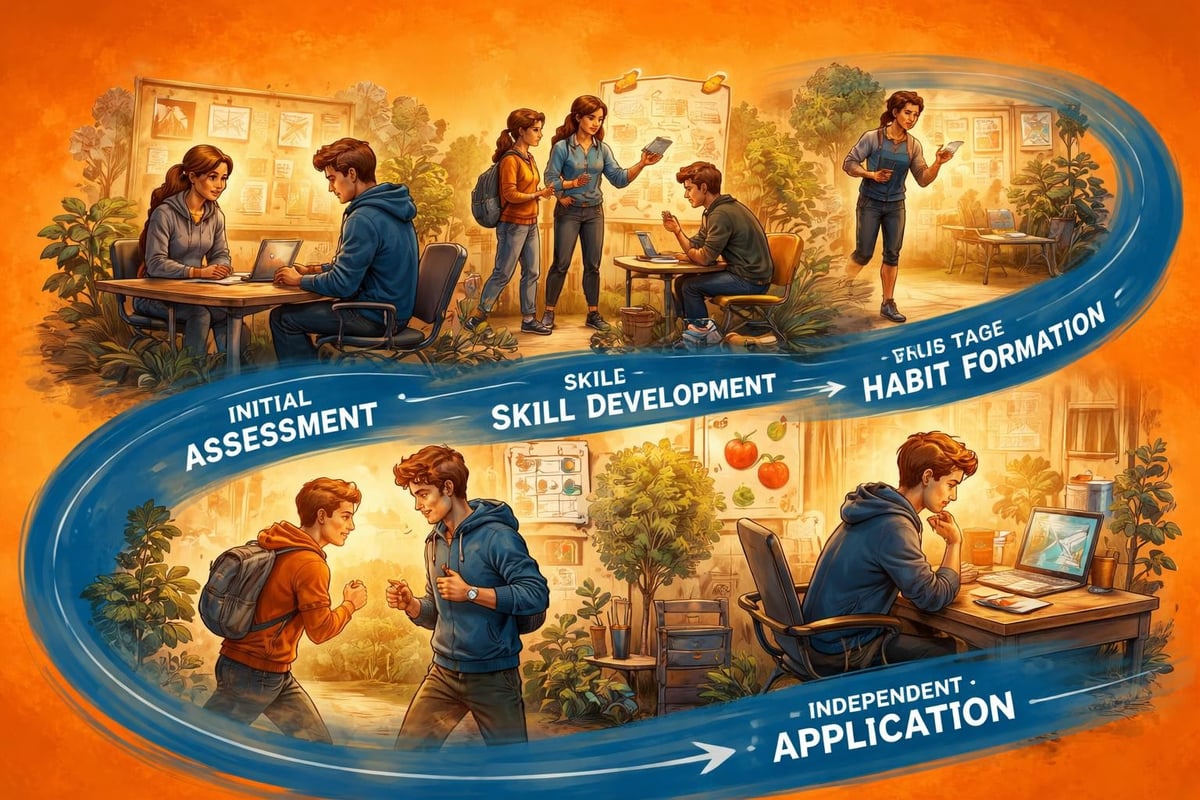
Most teenagers require three to six months of consistent coaching to develop lasting skills and habits. Shorter engagements address specific challenges like college preparation or social transition, while longer partnerships support comprehensive personal development.
Budget-friendly approaches include:
- Group coaching programs with peer learning components
- School-sponsored coaching through counseling departments
- Sliding scale practitioners who adjust fees based on family income
- Online coaching platforms with subscription models
Regardless of format, consistency matters more than session frequency. Weekly thirty-minute sessions often produce better results than monthly ninety-minute meetings because they maintain momentum and accountability.
Red Flags and Quality Indicators
Not every coach who appears in a "life coach for teens near me" search delivers professional services. Parents should recognize warning signs alongside positive indicators of quality practice.
Avoid coaches who guarantee specific outcomes, lack formal training, refuse to provide references, or pressure immediate commitment. Ethical practitioners acknowledge that coaching effectiveness depends on client engagement and cannot promise predetermined results.
Quality coaches demonstrate active listening, ask thought-provoking questions, and adapt their approach to individual learning styles. They establish clear boundaries, maintain confidentiality within legal limits, and communicate transparently about their methods and limitations.
Finding the right support for your teenager requires balancing professional credentials, personal fit, and practical considerations. Whether you choose local in-person sessions or expand your search beyond "life coach for teens near me" to include virtual options, the relationship quality ultimately determines success. While individual coaching transforms teenage development, organizational leaders face similar challenges in building accountable teams and clear communication systems. Noomii Corporate Coaching delivers practical, results-focused leadership development tied to measurable KPIs and ROI, helping mid-market companies develop managers who coach their teams effectively and drive visible business outcomes.



Leave a Reply
Want to join the discussion?Feel free to contribute!