Executive Functioning Coach for Adults: What Works
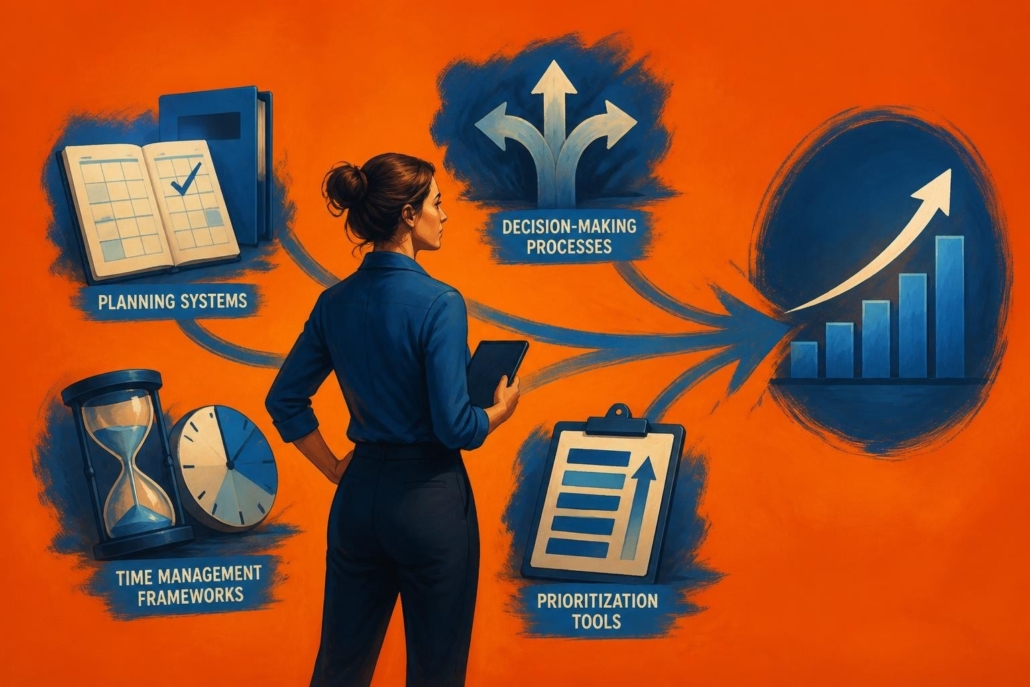
Most managers struggling with planning, prioritization, or follow-through don't need another diagnosis. They need practical systems that stick. An executive functioning coach for adults builds concrete frameworks to manage competing demands, execute on priorities, and translate intention into action. The challenge isn't awareness; it's implementation under real-world pressure.
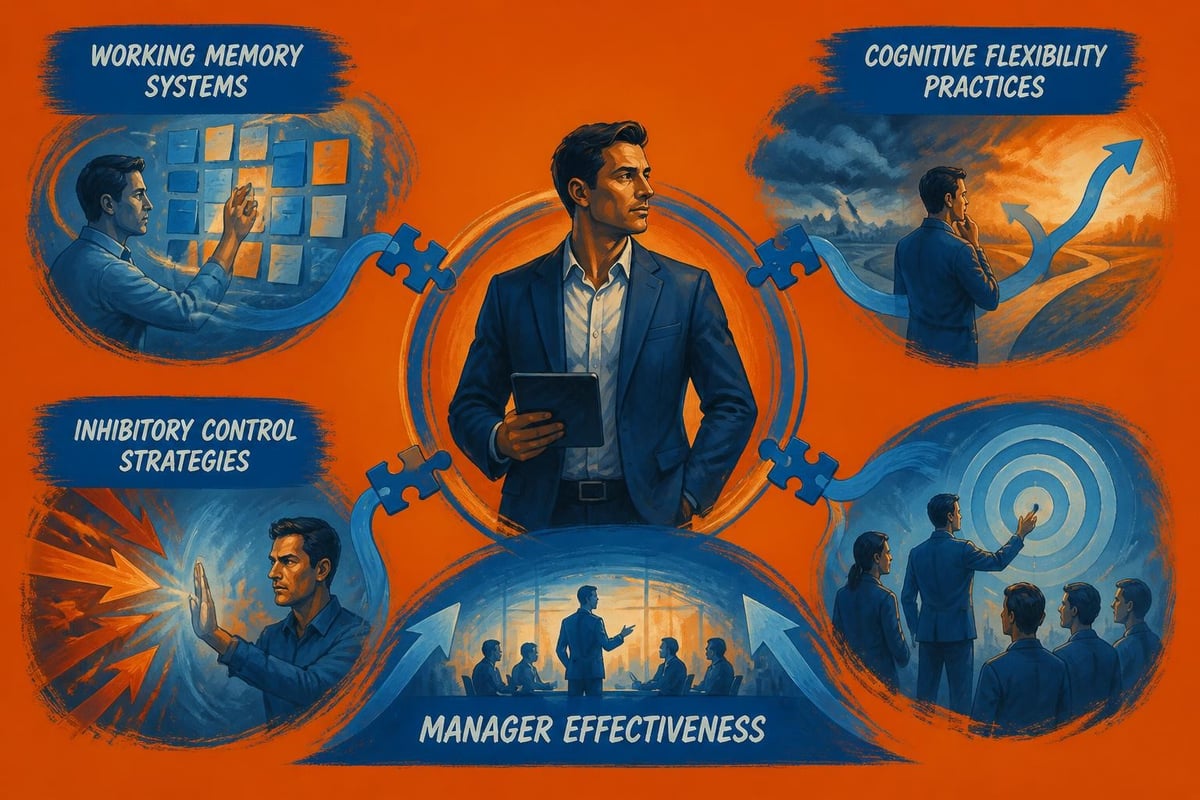
Executive function encompasses working memory, cognitive flexibility, and inhibitory control. In practice, these translate to managing deadlines, switching between projects without losing context, and maintaining focus when distractions multiply. Adults with executive function challenges often excel in strategic thinking but falter in execution, creating a gap between capability and consistent performance.
What Executive Functioning Coaching Actually Addresses
Executive functioning coaching targets the gap between knowing what to do and doing it reliably. This matters most for professionals managing teams, juggling multiple stakeholders, or operating in fast-changing environments where traditional time management fails.
Core focus areas include:
- Task initiation and completion: Breaking paralysis around starting projects and building momentum systems
- Time perception and estimation: Calibrating realistic timelines and building buffer strategies
- Working memory support: Externalizing information through checklists, dashboards, and visual management
- Emotional regulation under pressure: Recognizing patterns that derail execution and building response protocols
- Priority management: Distinguishing urgent from important when everything feels critical
Research on skills-based training interventions for adults with ADHD shows measurable improvements when coaching focuses on specific behavioral strategies rather than generic productivity advice. The distinction matters because executive function challenges require customized scaffolding, not one-size-fits-all templates.
The Evidence Base for Adult Coaching Interventions
Multiple controlled trials demonstrate that structured coaching produces quantifiable gains. A randomized trial of Goal Management Training showed participants improved planning, organization, and task completion compared to control groups. What stands out: gains persisted when interventions included real-world application, not just skills practice in isolation.
The ADHD Coaches Organization outlines professional standards, but certification alone doesn't predict coaching effectiveness. The best outcomes come from coaches who combine executive function knowledge with practical business experience. They understand the difference between teaching a planning system in theory and implementing it during quarterly reviews, crisis management, or rapid growth.
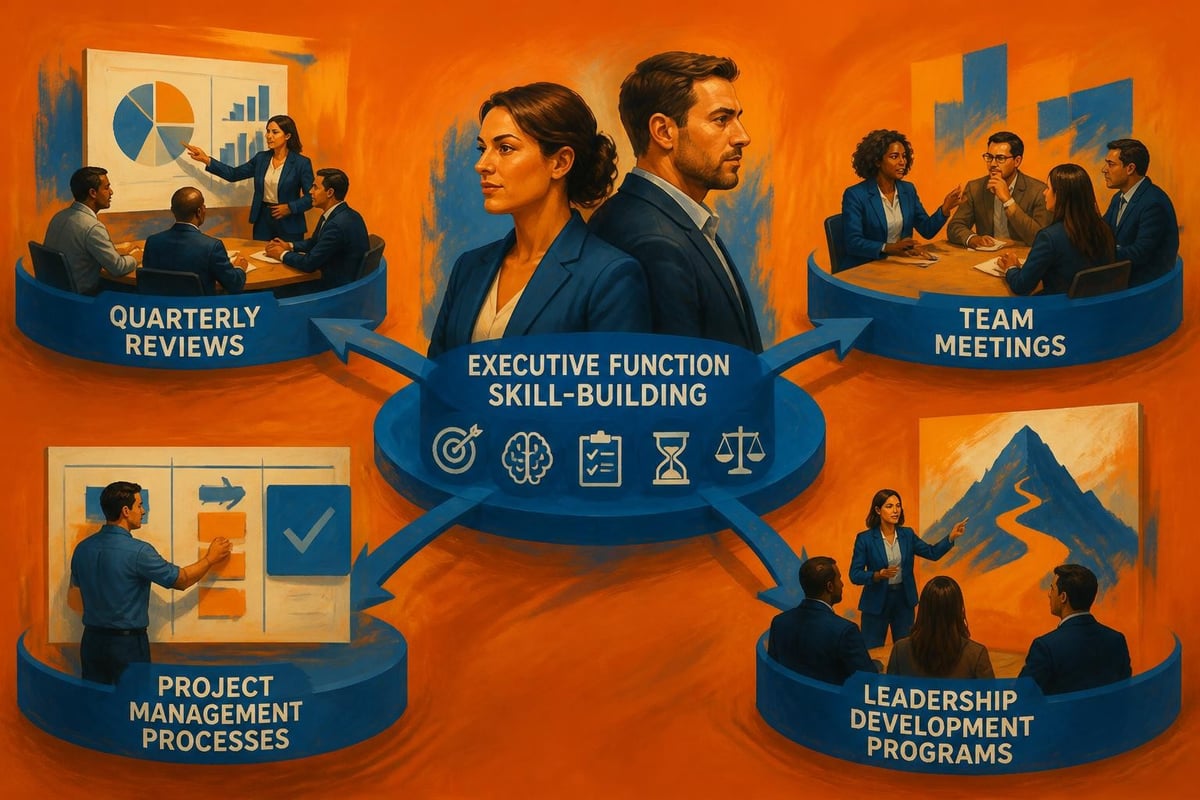
Programs like the 12-week manualized intervention provide structure, yet workplace coaching requires adaptation. A manager can't pause operations for weekly sessions. Effective coaches embed skill-building into existing workflows: standing meetings, project reviews, one-on-ones with direct reports.
How Workplace Coaching Differs from Clinical Interventions
Clinical programs like Penn Medicine’s Adult ADHD Treatment combine medication management, therapy, and coaching. Corporate settings demand a different model. An executive functioning coach for adults in business contexts works within organizational constraints, focusing on performance outcomes tied to company KPIs.
Key differences:
| Clinical Approach | Corporate Coaching |
|---|---|
| Weekly 50-minute sessions | Coaching embedded in meetings and reviews |
| Focus on personal life improvement | Direct tie to business metrics and team impact |
| Long-term therapeutic relationship | Month-to-month, results-driven engagement |
| Insurance and diagnosis requirements | Performance-based, no medical gatekeeping |
The ASHA clinical portal on executive function provides comprehensive assessment frameworks, but workplace coaching skips lengthy diagnostic protocols. Instead, effective coaches conduct rapid skills audits: observing how a manager runs meetings, reviews their current project tracking, and identifies breakdown points in real time.
Noomii's approach exemplifies this shift. Rather than scheduling separate coaching sessions, coaches join leadership team meetings, observe decision-making under pressure, and build systems during actual work. A manager struggling with priority management doesn't need abstract exercises. They need a live review of their current project list, a triage framework, and accountability for applying it before the next meeting.
Proprietary Framework: The Execution Accountability System
After working with hundreds of mid-market leaders, we've identified a repeating pattern. High performers derailed by executive function challenges typically fail at one of four handoff points: Capture, Clarify, Commit, Close.
Capture: Information enters through email, meetings, Slack. Without a single collection point, tasks scatter across platforms and memory.
Clarify: Raw inputs need conversion to actionable next steps with clear owners and deadlines. Vague commitments ("let's follow up") create drift.
Commit: Deciding what gets done this week versus later requires real trade-offs. Managers with executive function challenges struggle to say no, overcommitting until nothing ships.
Close: Finishing tasks and confirming outcomes closes loops. Incomplete handoffs create recurring fire drills.
Leadership coaches using this framework start by diagnosing which handoff point breaks down most frequently. A sales leader might excel at capture and clarify but fail at commit, saying yes to every deal review and customer call. The intervention: building a weekly capacity budget and a visual kanban showing work in progress limits.
Case Study: Operations Director with Planning Paralysis
Problem: An operations director at a 200-person manufacturing company consistently missed project deadlines despite strong technical knowledge. Teams waited on decisions. Quarterly initiatives stalled.
Diagnosis: Breakdown occurred at the Clarify and Commit stages. She collected extensive information but struggled to convert research into actionable plans. Fear of missing variables created analysis paralysis.
Solution: We introduced a decision-forcing framework: every project got a one-page brief with three options, trade-offs listed, and a 48-hour decision deadline. We coached live during her weekly leadership team meeting, modeling how to make defensible decisions with incomplete information.
Result: Project cycle time decreased 40% over three months. Her team reported clearer direction. Engagement scores in her division improved 12 points in the next quarterly survey.
Lesson: Executive functioning support isn't about working harder or longer. It's about building decision scaffolding that matches how someone's brain works under pressure.
Contrarian Insight: Certification Worship Misses the Point
The coaching industry pushes ADHD-specific certifications and executive function specialist credentials. Here's what the market evidence shows: certification correlates weakly with client outcomes. What matters more is pattern recognition from coaching hundreds of professionals through similar challenges.
Evidence-based coaching approaches emphasize core competencies, but the best coaches combine those foundations with deep vertical expertise. A coach who's led teams, managed P&L, and executed under board pressure brings context that credential programs can't teach.
Consider two coaches: one with advanced ADHD coaching certification and two years of experience, another with 15 years leading operations teams and practical expertise in executive function strategies from managing their own challenges. The second coach will likely deliver faster, more relevant results because they've lived the problems their clients face.
This doesn't mean training is irrelevant. The APA’s Adult ADHD Toolbox provides valuable frameworks. But buyers should prioritize evidence of real-world results over credentials alone. Ask for case studies. Request references from similar roles and industries. Observe how the coach diagnoses your specific bottlenecks.

What Mid-Market Companies Should Demand
Mid-market organizations need executive functioning support that scales beyond individual coaching. The goal isn't fixing one struggling manager; it's building systems that raise baseline competence across leadership teams.
Effective programs include:
- Live coaching during actual meetings: Not separate sessions about meetings
- Shared accountability tools: Visual dashboards, scorecards, and kanban boards the whole team uses
- Skill transfer to managers: Teaching leaders to coach their direct reports using executive function strategies
- Tied to business metrics: Linking improvements to revenue, retention, cycle time, or other KPIs
- Month-to-month terms: Results should be visible within 90 days, not locked into year-long contracts
Organizations exploring executive coaching packages should scrutinize how coaches measure progress. Subjective feedback has value, but executive function interventions should drive observable behavior change. Are decisions happening faster? Are projects completing on schedule? Is meeting productivity improving?
The strongest signal: coaches willing to share risk through performance-based pricing. If executive functioning coaching works, tying fees to outcomes should feel natural. Month-to-month engagements where you stay because results are visible separate serious practitioners from those selling hope.
FAQ About Executive Functioning Coaching for Adults
What is an executive functioning coach for adults?
A coach who helps adults build practical systems for planning, prioritization, time management, and task completion, particularly when executive function challenges interfere with workplace performance.
How is executive function coaching different from productivity coaching?
Executive function coaching addresses underlying cognitive processes like working memory and cognitive flexibility, not just surface-level time management tactics. It customizes strategies to how someone's brain works under pressure.
Do I need an ADHD diagnosis to benefit from executive functioning coaching?
No. Many high-performing professionals without ADHD benefit from executive function support when managing complex roles, multiple stakeholders, or rapid organizational change.
How long does executive functioning coaching take to show results?
Visible improvements typically appear within 4-8 weeks when coaching focuses on specific behaviors and integrates into real work. Lasting change requires 12-16 weeks of consistent application.
What's the difference between clinical executive function treatment and workplace coaching?
Clinical treatment often combines therapy, medication, and diagnosis-driven interventions. Workplace coaching focuses on performance outcomes, embeds in business operations, and doesn't require medical involvement.
Should I choose a coach with ADHD-specific certification?
Certification can indicate baseline knowledge, but track record, industry experience, and pattern recognition from coaching similar professionals often predict better outcomes than credentials alone.
How do I measure if executive functioning coaching is working?
Track observable behaviors: meeting productivity, project completion rates, decision speed, team feedback, and business metrics like revenue or retention tied to the leader's performance.
Can executive function coaching scale beyond individual leaders?
Yes. The most effective programs teach managers to coach their teams using executive function strategies, creating skill transfer and raising baseline competence across the organization.
What should I expect in the first executive functioning coaching session?
A rapid assessment of where execution breaks down: how you capture information, make decisions, prioritize, and follow through. Expect diagnosis and immediate small interventions, not lengthy intake processes.
Executive functioning coaching delivers measurable workplace results when it focuses on practical systems, embeds in real work, and ties to business outcomes. The distinction between effective coaching and credential-chasing matters more than ever as mid-market companies demand ROI from leadership development. Noomii helps organizations build accountable leaders through hands-on coaching in your meetings, clear KPIs, and month-to-month terms where you stay because progress is visible, not because you're locked into a contract.


Leave a Reply
Want to join the discussion?Feel free to contribute!