
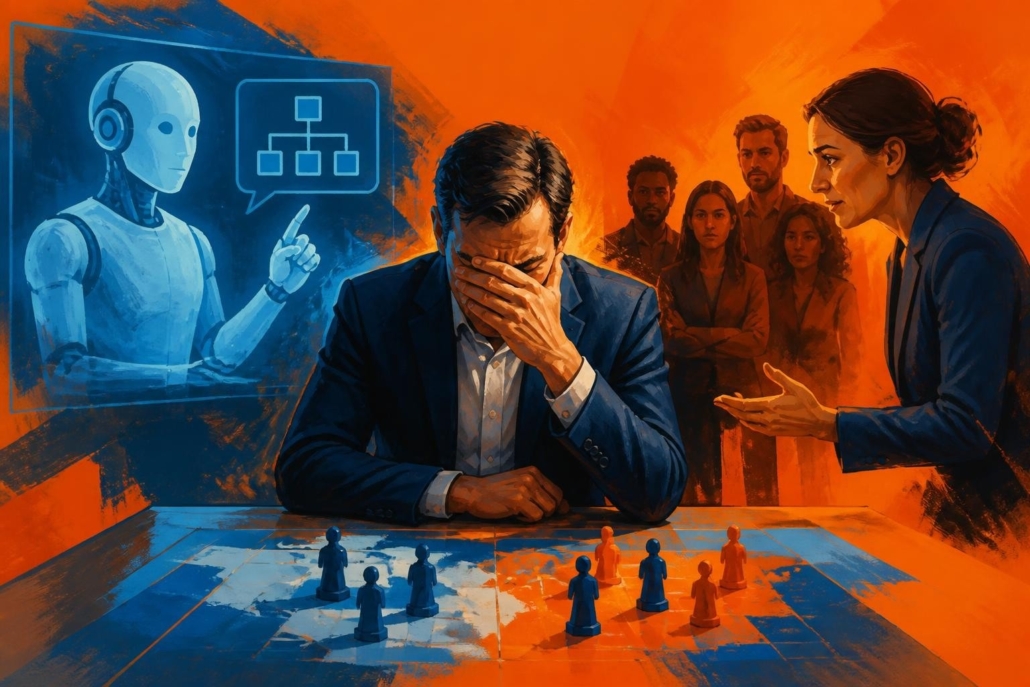
I Used AI Instead of Coaching and Failed: What I Learned
When my leadership team struggled with accountability in Q3 2025, I made what seemed like a smart decision: I used AI instead of coaching and failed. The promise was irresistible. Why spend thousands on executive coaching when ChatGPT, Claude, and specialized coaching bots could deliver instant feedback, frameworks, and action plans? Six months later, my team's engagement scores dropped 18%, two key managers left, and I learned an expensive lesson about what technology cannot replace.
The Seductive Promise of AI Coaching Tools
The pitch for AI coaching tools hits every pain point. Instant availability at 2 AM. No scheduling conflicts. A fraction of the cost. Unlimited questions without judgment.
I fell for every advantage:
- 24/7 access to leadership frameworks and advice
- Immediate responses to urgent management dilemmas
- Privacy without fear of exposing weakness
- Cost savings exceeding $15,000 annually
The early results felt promising. I fed the AI details about team conflicts, underperforming managers, and strategic decisions. It generated thoughtful responses, offered established frameworks like GROW and SMART goals, and even role-played difficult conversations. For three weeks, I believed I had found the future of leadership development.
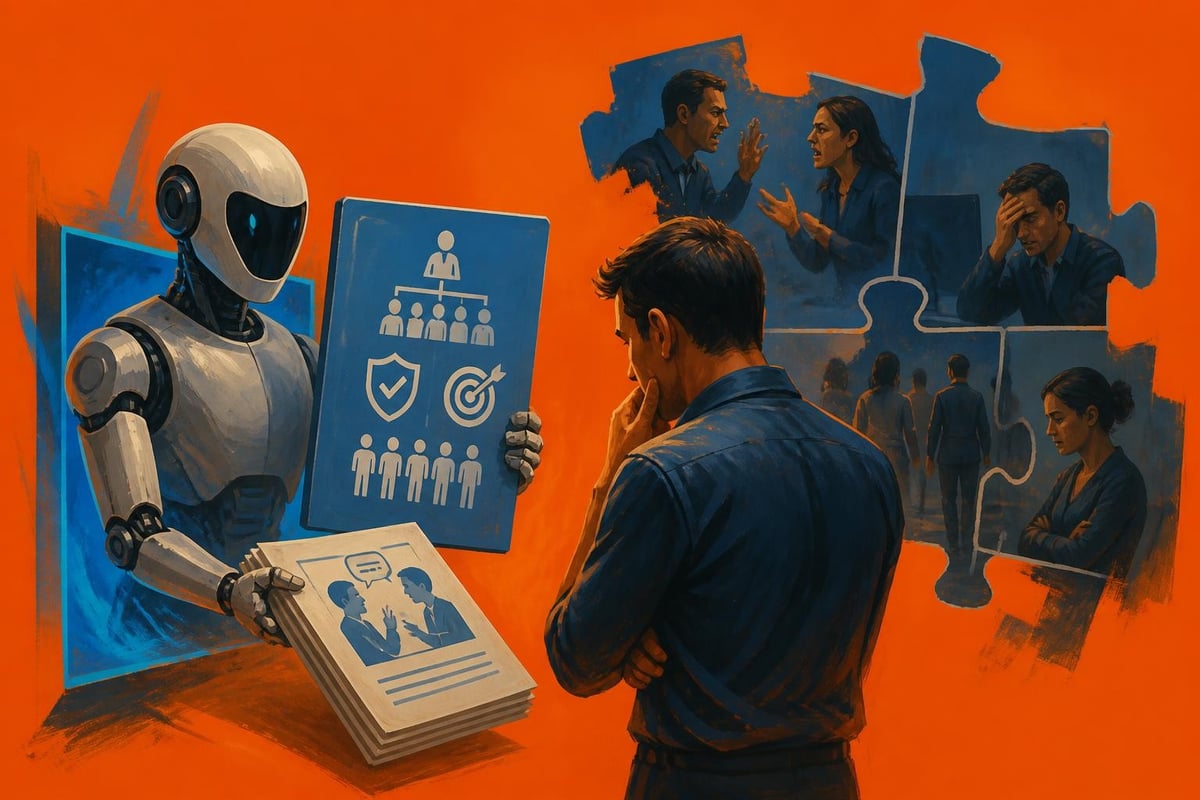
Then reality arrived. A critical situation exposed the gap between AI outputs and actual coaching. One of my senior managers was sabotaging cross-departmental projects through passive resistance. The AI gave me textbook conflict resolution steps. What it couldn't do was read the micro-expressions during our one-on-one, challenge my own blind spots about the situation, or recognize that this manager's behavior stemmed from fear of a pending reorganization I hadn't yet announced.
Where AI Coaching Breaks Down in Real Leadership Scenarios
The failure wasn't dramatic. It was gradual, quiet, and expensive. Research shows that empathy plays a crucial role in coaching success, and this is precisely where AI falls short. The algorithm couldn't sense when I was rationalizing poor decisions or when my stress was clouding judgment.
The Pattern Recognition Problem
Human coaches who work inside organizations develop pattern recognition that AI cannot replicate. When I described my quarterly planning process, the AI suggested best practices. A real coach would have recognized that my detailed planning ritual was actually avoidance behavior masking fear of having difficult performance conversations.
| What AI Provided | What I Actually Needed |
|---|---|
| Generic conflict frameworks | Recognition that conflict avoidance was my core issue |
| Communication scripts | Real-time feedback on my defensive body language |
| Goal-setting templates | Accountability for goals I kept postponing |
| Leadership theory | Challenge on decisions I made to avoid discomfort |
The breaking point came during a leadership team meeting. I had used AI to prepare for a difficult conversation about missed revenue targets. I followed the script perfectly. The team nodded politely. Nothing changed. A skilled team coaching professional would have been in that room, watching dynamics, intervening when I retreated into data to avoid emotional reality, and coaching me live through the discomfort.
The Privacy and Data Illusion
I chose AI partly for privacy. Ironically, I created new risks. European data protection authorities have raised concerns about how AI models handle personal data, including sensitive business information and employee details I was feeding into these systems.
Data I shared with AI tools:
- Employee performance issues with names
- Confidential strategic plans
- Financial targets and concerns
- Personal leadership insecurities
None of this stayed private in the way a professional coaching relationship would have protected it. The illusion of privacy was just that: an illusion.
The Accountability Gap That Cost Me Two Managers
Accountability is where I used AI instead of coaching and failed most visibly. AI doesn't call you at 9 AM Tuesday to ask if you completed the difficult conversation you committed to Monday. It doesn't notice when you're three weeks into avoiding a decision you claimed was a priority.
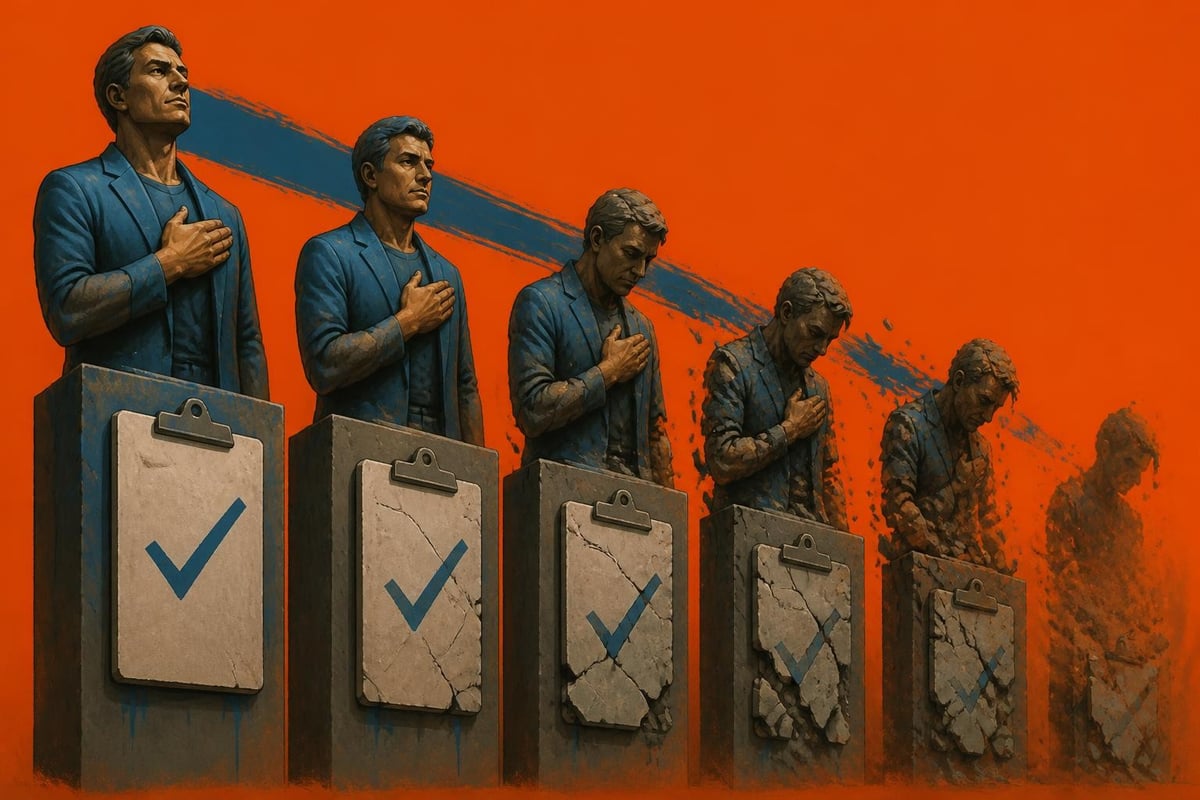
My two departing managers cited lack of leadership clarity and follow-through in their exit interviews. Both had asked for feedback and development conversations I kept postponing. The AI had reminded me weekly to schedule these meetings. I ignored the reminders because there was no relationship, no human disappointed by my inaction, no real consequence.
The UX Research Nobody Wants to Discuss
Studies on AI-based chat software user experience reveal high abandonment rates when users face complex, emotionally charged decisions. The research confirms what I experienced: AI coaching feels helpful for information but fails when real behavior change requires discomfort, confrontation, or sustained accountability over months.
What AI Cannot Diagnose or Fix
The most damaging gap was diagnostic. I came to AI with symptoms (team conflict, missed deadlines, communication breakdowns) but no understanding of root causes. The AI addressed symptoms. A professional coach would have diagnosed the actual problem: my conflict-avoidance pattern was creating a passive-aggressive culture where nothing got resolved and talented people left.
Root causes AI missed:
- My fear of being disliked was driving delayed feedback
- I hired for technical skills but ignored emotional intelligence
- The operating cadence rewarded activity over outcomes
- I was solving the wrong problems to avoid harder conversations
Organizations seeking measurable business results need coaches who can diagnose these systemic issues, not chatbots that optimize for user satisfaction by telling you what you want to hear.
The Health and Wellness AI Parallel
This isn't unique to business coaching. Research published in Nature Medicine documents significant risks when people substitute AI for professional health guidance. The parallel is exact: AI wellness apps gave users harmful advice because they lacked the judgment to recognize dangerous patterns or contraindications. My leadership AI couldn't recognize when my "productivity optimization" questions were actually workaholism destroying my effectiveness.
The Question Science Is Already Answering
Can AI replace coaches? Academic research explicitly addresses this question in therapeutic contexts closely related to coaching. The systematic review concludes that while AI can assist with information and structured exercises, it cannot replace the relational, adaptive, and ethically complex work of human practitioners. The same limits apply to leadership development, manager training, and executive coaching.
The failure wasn't AI being bad at what it does. The failure was me believing technology could replace relationship, judgment, and accountability. I used AI instead of coaching and failed because I optimized for convenience and cost instead of outcomes.
AI tools have a role in leadership development, but they're supplements to human coaching, not replacements. Real accountability, adaptive diagnosis, and relationship-based development still require human expertise. Noomii connects mid-market companies with experienced coaches who work inside your business, coach live in your meetings, and tie progress to clear KPIs. When you're ready for practical coaching that delivers measurable results instead of convenient chatbot conversations, that's where to start.


Leave a Reply
Want to join the discussion?Feel free to contribute!