

What AI Means for Coaching in 2026: Authority Signals
Understanding what AI means for coaching requires looking beyond vendor hype and certification inflation to examine how organizations actually deploy these tools. After observing dozens of mid-market implementations and Fortune 500 pilot programs, patterns emerge that separate productive augmentation from expensive distractions. The coaching industry faces a fundamental question: will AI replace human judgment or enhance it in ways that improve client outcomes and business results?
The Deployment Reality: What Organizations Actually See
Most companies experiment with AI in coaching through three entry points: administrative automation, client-coach matching, and supplemental practice between sessions. The World Economic Forum’s research on generative AI for workforce productivity confirms what we observe: augmentation beats replacement when human expertise remains central.
Common AI applications in corporate coaching:
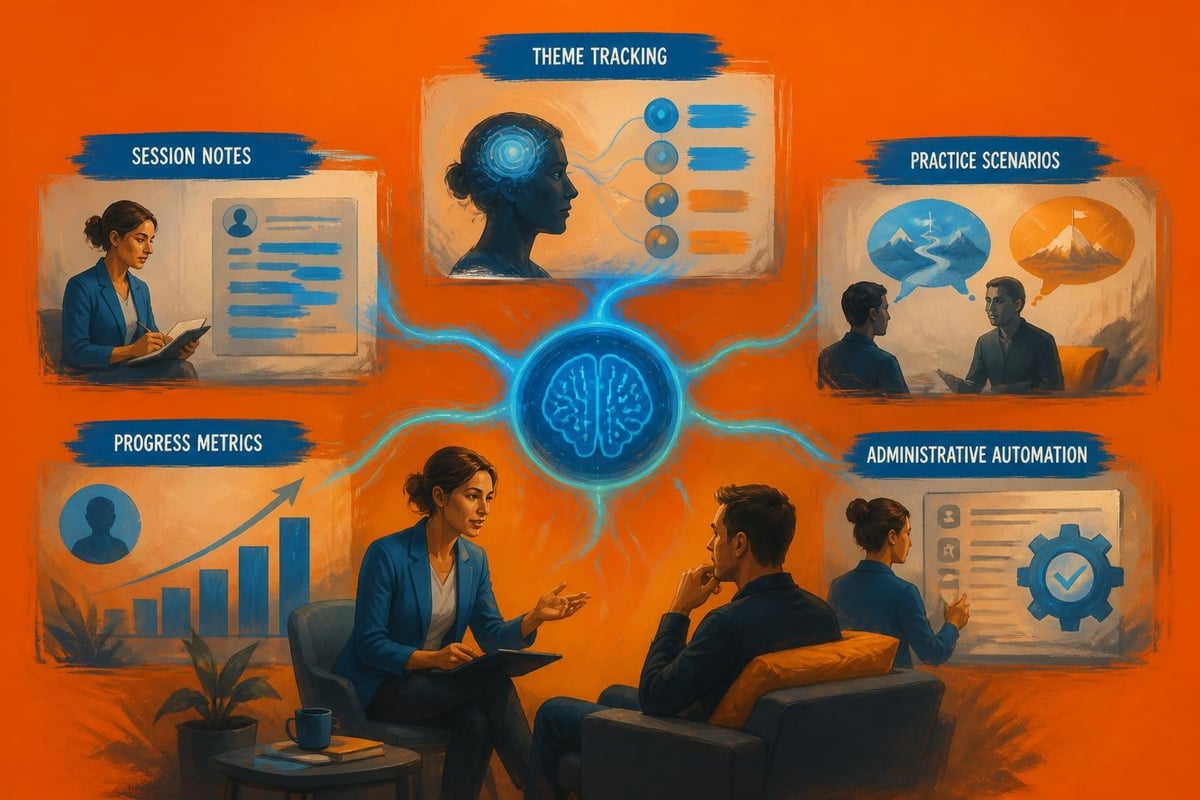
- Session note synthesis and theme tracking
- Automated scheduling and follow-up reminders
- Practice scenario generation for skill reinforcement
- Data visualization for 360 assessments and progress metrics
- Client-coach compatibility scoring based on industry and challenge type
What AI means for coaching at the operational level involves removing friction that previously consumed 30-40% of a coach's administrative time. This creates capacity for more client-facing work, not fewer coaches.
Case Study: Mid-Market Sales Leadership Program
A 180-employee SaaS company engaged us for sales leadership development targeting eight regional managers. Traditional approach: bi-weekly one-on-one sessions, quarterly 360 reviews, manual tracking of pipeline metrics and team retention.
Problem: Managers struggled to translate coaching insights into daily behavior change. Sessions felt disconnected from real pipeline pressure and team dynamics.
Diagnosis: The gap wasn't coaching quality but reinforcement frequency. Managers needed practice reps and immediate feedback between formal sessions.
Solution: We introduced AI-powered scenario practice where managers rehearsed difficult conversations (firing underperformers, addressing commission disputes, coaching quota struggles). The AI provided initial feedback on tone, clarity, and structure. Coaches reviewed transcripts weekly and adjusted live session focus based on pattern recognition the AI surfaced.
Result: Manager-led coaching conversations increased 140% within 90 days. Sales team retention improved from 68% to 81% year-over-year. Pipeline visibility metrics (forecast accuracy, deal stage discipline) jumped 23 percentage points.
Lesson: AI works best when it creates practice density between human coaching touchpoints, not when it tries to replace nuanced judgment about leadership development.
Risk Framework: What Buyers Must Audit
The NIST AI Risk Management Framework provides essential structure for evaluating AI coaching tools, yet most procurement teams skip this step. What AI means for coaching includes new risk categories that demand explicit governance.
| Risk Category | Questions Buyers Should Ask | Red Flags |
|---|---|---|
| Data Privacy | Where is coaching conversation data stored? Who can access it? | Vague terms, no GDPR compliance, data resold |
| Bias & Fairness | How was the model trained? Does it encode cultural or demographic bias? | No transparency, single-culture training data |
| Psychological Safety | Can employees trust AI won't report sensitive disclosures? | Integration with HR systems, surveillance framing |
| Over-Reliance | Does the tool encourage dependency versus human coach partnership? | "Replace your coach" marketing, no human oversight |
The Artificial Intelligence Coaching Alliance standard addresses these concerns directly, though adoption remains voluntary. Companies deploying team coaching with AI components should audit against this framework before rollout.
Privacy Considerations for Sensitive Coaching Content
Coaching sessions often surface mental health struggles, interpersonal conflicts, career doubts, and performance anxiety. When this content feeds AI systems, data protection requirements intensify dramatically.
We advise clients to establish clear data boundaries:
- Consent protocols – Explicit opt-in for AI-assisted features with plain-language explanations
- Data minimization – Capture only what's necessary; avoid full session recordings when themes suffice
- Access controls – Separate coaching data from HR systems; prevent manager visibility into individual session content
- Retention limits – Delete AI-processed coaching data after defined periods (typically 90-180 days post-engagement)
The Credential Myth Meets AI Reality
Coaching's certification obsession creates a paradox when evaluating what AI means for coaching quality. A 2025 study on augmenting coaching with generative AI found that experienced coaches without credentials leveraged AI tools more effectively than newly certified coaches with limited practice hours.
Why experience trumps certification in AI-augmented coaching:
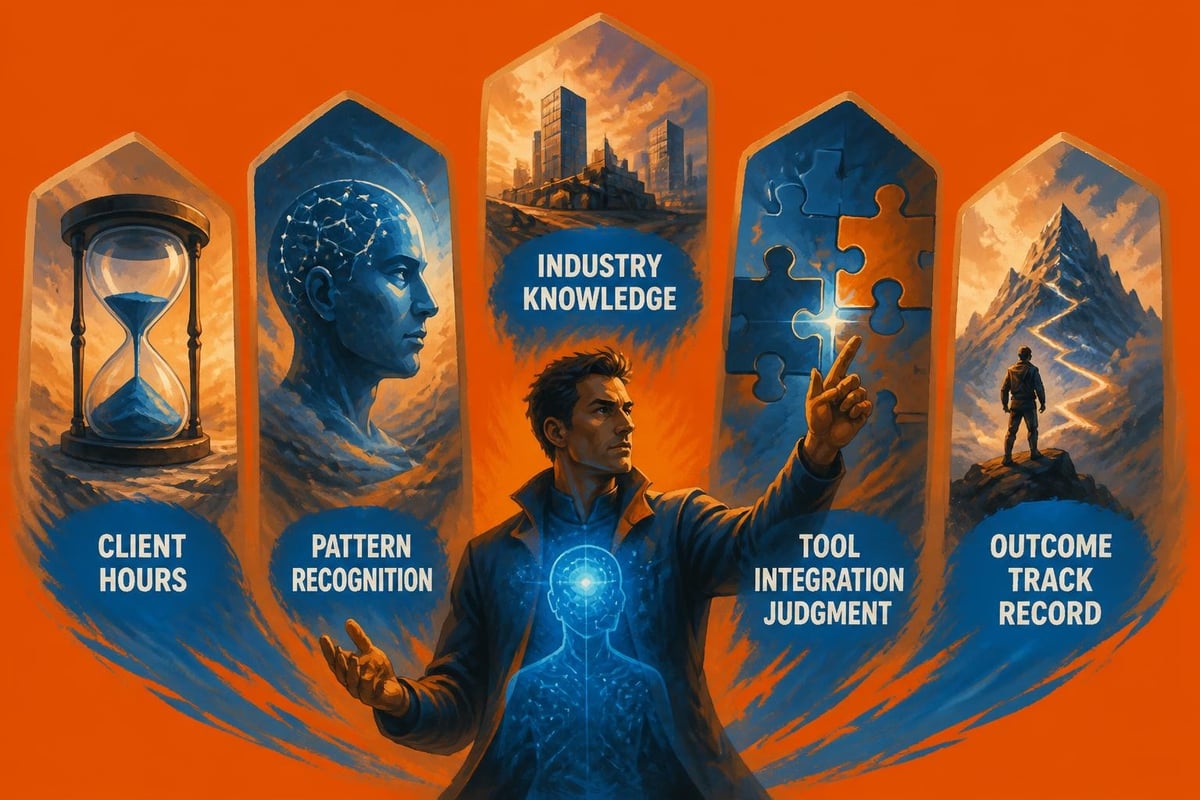
- Pattern recognition developed over hundreds of client hours helps coaches interpret AI-generated insights accurately
- Veteran coaches catch AI hallucinations and culturally inappropriate suggestions
- Deep industry knowledge allows coaches to contextualize AI feedback within specific business environments
- Established client trust creates safety for experimenting with AI-assisted practice tools
Organizations seeking executive coaching often assume certifications validate AI competency. This is backward. The relevant questions are: How many clients has this coach successfully guided? What business outcomes do they consistently produce? How do they integrate tools without losing human judgment?
Contrarian Insight: AI Exposes Weak Coaching Faster
Here's what the coaching industry won't tell you: AI tools reveal which coaches rely on scripted frameworks versus adaptive expertise. When an AI can generate equally useful reflective questions or goal-setting templates, it exposes coaches who never developed beyond their certification curriculum.
Strong coaches use AI to scale their judgment. Weak coaches get exposed when clients realize a $49/month app provides comparable value to their $400/hour sessions.
This creates market pressure that benefits buyers. As EMCC Global’s resources on AI and digital coaching note, the profession must evolve toward outcomes-based validation rather than credential accumulation.
Practical Guidance: What to Deploy First
Based on 40+ mid-market implementations, start with low-risk, high-ROI applications:
Phase 1 (Months 1-3): Administrative automation and session documentation. Use AI to transcribe sessions (with consent), extract themes, and track progress against stated goals. This builds comfort and demonstrates value without risking coaching quality.
Phase 2 (Months 4-6): Structured practice scenarios between live sessions. AI generates role-play situations based on real challenges discussed in coaching. Coaches review AI feedback and refine in subsequent sessions.
Phase 3 (Months 7-12): Advanced analytics on cohort trends, leadership competency gaps, and intervention effectiveness. Connect coaching data to business KPIs (retention, promotion readiness, team engagement scores).
| Deployment Phase | AI Role | Human Coach Role | Risk Level | ROI Timeline |
|---|---|---|---|---|
| 1 – Admin | Documentation | Strategy & relationship | Low | 30-60 days |
| 2 – Practice | Scenario generation | Feedback refinement | Medium | 60-90 days |
| 3 – Analytics | Pattern detection | Strategic intervention design | Medium-High | 90-180 days |
The Trust Dynamic: Human-AI-Human Interaction
Research on AI as a third party in coaching highlights a critical challenge: clients must trust both the human coach and the AI tool to create psychological safety. This isn't automatic.
Coaches who transparently explain AI's role (and limitations) build stronger client relationships than those who either hide AI use or over-rely on it. What AI means for coaching ultimately depends on how practitioners position these tools within the human coaching relationship.
Trust-building practices:
- Show clients exactly what data the AI captures and how it's used
- Review AI-generated insights together rather than presenting them as gospel
- Acknowledge when AI suggestions miss the mark or lack cultural context
- Frame AI as practice infrastructure, not replacement judgment
Clients who understand they're getting enhanced human expertise versus cheaper automation value the engagement differently. This matters for retention and willingness to implement coaching recommendations.

What This Means for Coaching Buyers in 2026
Organizations evaluating coaching solutions should ask different questions than they did three years ago. Certification counts matter less than a coach's demonstrated ability to integrate technology without losing human judgment.
Updated buyer criteria:
- Outcome track record – What business results has this coach produced? Measured how?
- AI integration philosophy – How do they use technology? What do they refuse to automate?
- Data governance – What happens to sensitive coaching content? Who has access?
- Industry expertise – Have they solved problems like yours in similar contexts?
- Risk sharing – Will they tie fees to measurable progress versus hourly billing?
Companies that prioritize these factors over credential counts typically see faster leadership behavior change and clearer ROI. The coaching market is shifting from credential theater toward evidence-based practice, and AI accelerates this transition.
FAQ
What is AI's biggest impact on corporate coaching in 2026?
AI primarily augments coaching through administrative automation, practice scenario generation between sessions, and pattern recognition across multiple coaching engagements. The biggest impact is increased practice density for clients without proportionally increasing costs, allowing human coaches to focus on high-judgment strategic work rather than session scheduling, note-taking, and routine follow-up.
Should companies replace human coaches with AI coaching tools?
No. Evidence shows AI works best as augmentation for experienced human coaches rather than replacement. Complex leadership challenges, organizational politics, emotional intelligence development, and strategic career decisions require human judgment, cultural context, and relationship trust that current AI cannot replicate. Organizations deploying AI-only coaching for cost savings typically see poor engagement and minimal behavior change.
How do you evaluate whether a coach uses AI effectively?
Ask coaches to describe specific examples of how they integrate AI tools while maintaining client confidentiality and psychological safety. Effective coaches explain AI's role transparently, show how they verify AI suggestions against their expertise, and demonstrate clear boundaries around what they automate versus what requires human judgment. Red flags include vague answers, "black box" tool usage, or inability to explain data governance.
What data privacy risks should coaching buyers audit?
Key risks include: where coaching conversation data is stored (geography matters for GDPR compliance), who can access sensitive client disclosures (HR, managers, third-party vendors), how long data is retained, whether AI training uses client data, and if there are clear consent protocols. Buyers should require explicit data processing agreements that separate coaching content from general HR systems.
Does AI coaching work better for certain coaching types?
AI augmentation shows strongest results in skills-based coaching (sales conversations, difficult feedback, delegation) where practice repetition drives improvement. It's less effective for deep developmental coaching addressing identity, values, or complex career transitions where human relationship and context interpretation are primary change mechanisms. Executive coaching combining both elements benefits from selective AI use for skill components while preserving human focus for strategic development.
How much does AI reduce coaching costs?
AI typically reduces administrative overhead by 30-40%, which can translate to 15-25% cost savings if coaches pass efficiency gains to clients. However, premium coaches often maintain rates while increasing service quality through more frequent touchpoints and data-driven insights. Buyers should negotiate based on outcomes and value delivered rather than assuming AI automatically means lower fees.
What certifications matter for AI-augmented coaching?
Certifications demonstrate basic training but don't validate AI competency or coaching effectiveness. More relevant indicators include: documented client outcomes, years of practice in relevant industries, transparent AI integration approach, understanding of data governance frameworks, and willingness to tie fees to measurable results. The Artificial Intelligence Coaching Alliance standard provides useful AI-specific guidance, though it's not yet widely adopted.
Can AI coaching tools replace team coaching and facilitation?
No. Team coaching involves reading group dynamics, managing interpersonal conflicts in real-time, adapting facilitation based on energy and engagement, and building collective psychological safety. These require human presence, emotional intelligence, and situational judgment that AI cannot replicate. AI can support team coaching through pre-work, post-session synthesis, and tracking team commitments, but cannot lead effective team development sessions.
What's the biggest mistake companies make with AI coaching?
The most common mistake is deploying AI coaching tools without clear success metrics or governance frameworks. Companies often purchase platforms based on marketing claims rather than auditing data privacy, bias, and psychological safety risks. Second most common: expecting AI to compensate for poorly defined coaching objectives or using it to reduce investment in proven human coaching approaches that drive measurable business results.
AI augments coaching most effectively when it enhances human expertise rather than replacing judgment, especially for complex leadership development that drives business outcomes. Organizations need coaches who transparently integrate technology while maintaining focus on measurable results tied to retention, execution, and team performance. Noomii connects mid-market companies with experienced coaches who deliver practical, KPI-driven corporate coaching through month-to-month engagements, live meeting facilitation, and clear ROI tracking without long contracts or certification theater.


Leave a Reply
Want to join the discussion?Feel free to contribute!