

AI Coaching Nearly Sent Me the Wrong Direction
I was three weeks into piloting an AI coaching platform with a mid-market manufacturing client when the system recommended we double down on emotional intelligence assessments and reduce manager accountability check-ins. The suggestion looked data driven, complete with confidence scores and engagement metrics. Following it would have destroyed the exact behavior change we were hired to create. AI coaching nearly sent me the wrong direction, and I caught it only because I'd seen this pattern fail in a dozen prior engagements.
The Plausible Recommendation That Almost Derailed Progress
The AI tool analyzed manager survey responses, meeting transcripts, and engagement data. It surfaced a pattern: managers were struggling with difficult conversations and conflict resolution. The platform recommended we pivot the program toward self-awareness exercises, personality assessments, and empathy training.
The recommendation included:
- Weekly emotional intelligence modules
- Reduced frequency of live coaching sessions
- Self-paced conflict style inventories
- Journaling prompts for reflective practice
On the surface, this made sense. Managers were avoiding tough conversations. But the AI missed the actual problem. These weren't leaders who lacked empathy or self-awareness. They were capable people operating in a system with no accountability structure, unclear KPIs, and zero consequences for avoiding conflict. Adding more introspection would have felt good and changed nothing.
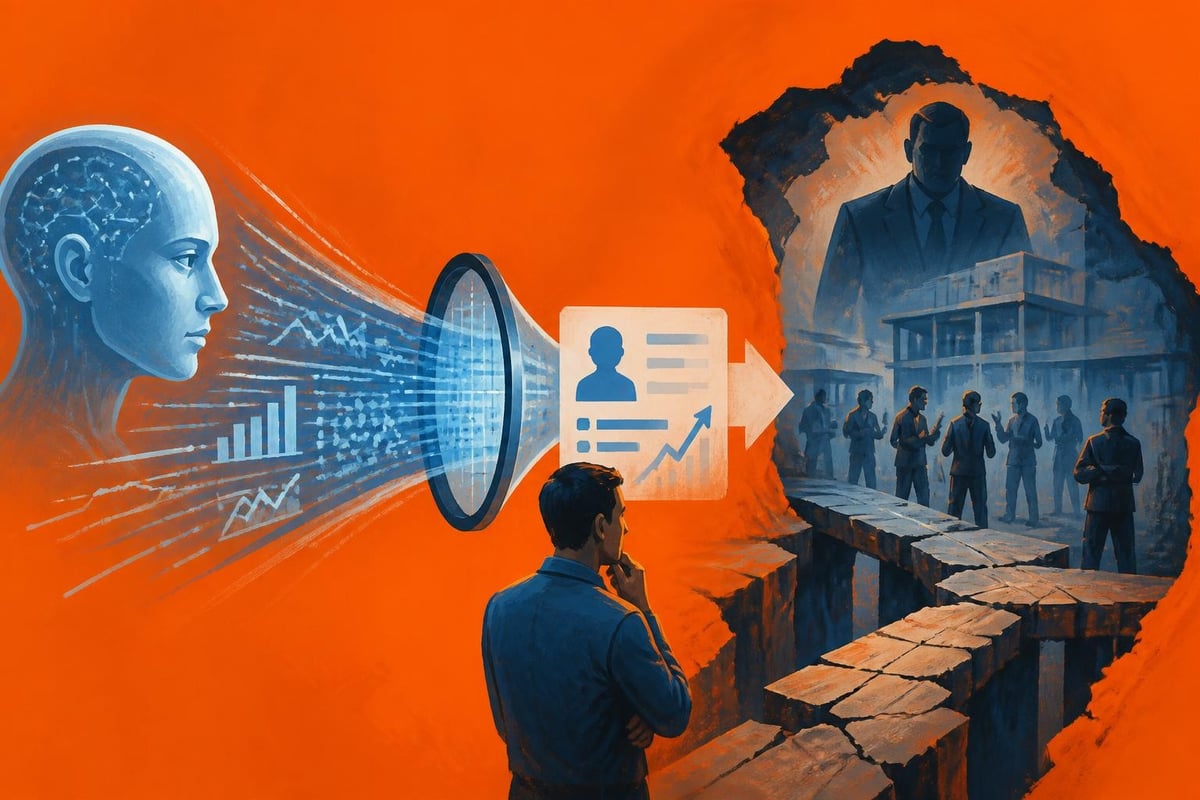
This mirrors the hallucination risks documented in healthcare AI applications, where plausible but incorrect guidance can cause real harm. In coaching, the harm isn't immediate, but wasted months and eroded trust with stakeholders create lasting damage.
What the AI Couldn't See
The manufacturing client had a specific business problem. Revenue per employee had flatlined for eighteen months. Project delays were routine. Department heads rarely escalated bad news until crises emerged. Managers knew how to be nice; they didn't know how to hold peers accountable or escalate cleanly.
| What AI Saw | What Actually Mattered |
|---|---|
| Low conflict engagement scores | No operating cadence tying decisions to outcomes |
| Manager stress in surveys | Unclear decision rights between departments |
| Preference for "safe" topics | Zero executive modeling of accountability |
| High interest in EQ content | No shared KPI scorecard across leadership |
We needed operating rhythm, clear scorecards, live practice of escalation and feedback, and executive sponsorship of new behaviors. The AI coaching platform optimized for engagement and completion rates. It recommended content people would finish, not interventions that would change how the business ran.
The Pattern I've Seen Fail Repeatedly
AI coaching nearly sent me the wrong direction because it optimized for the wrong outcome. This is the third time in two years I've caught AI tools recommending soft skill programs when clients needed hard accountability systems.
The recurring failure mode:
- AI analyzes sentiment, survey data, and content preferences
- System identifies topics users find comfortable or interesting
- Platform recommends more of what people will engage with
- Coaches follow the recommendation because it looks scientific
- Participants enjoy the content but behaviors don't shift
- Business results stay flat and coaching loses credibility
The NIST AI Risk Management Framework addresses this exact problem in its guidance on trustworthiness and validity. AI systems must be evaluated not just for technical accuracy but for alignment with actual outcomes and context.
Why Human Judgment Still Drives Results
I ignored the AI recommendation and built the program around three interventions the platform never suggested:
- Weekly executive team meetings with a visible decision tracker and KPI scorecards
- Live coaching in leadership meetings where we practiced escalation, conflict, and accountability in real time
- Manager peer sessions focused on sharing specific examples of holding direct reports accountable, with outcome tracking
Within sixty days, project cycle times dropped 22%. Department heads were surfacing risks two weeks earlier. Revenue per employee started climbing. None of this would have happened if I'd followed the AI tool's guidance.

Frameworks for Catching AI Missteps Early
Since that near miss, I've built a simple diagnostic I run before accepting any AI coaching recommendation. It's not perfect, but it's caught four more questionable suggestions this year alone.
The Five Question Filter:
- Does this recommendation address the business outcome the client hired us to change?
- Would a coach with zero AI tools arrive at the same conclusion after shadowing leadership for a week?
- Is the AI optimizing for engagement metrics or behavior change?
- Does this advice require the client to do uncomfortable, unfamiliar work or more of what already feels safe?
- Can we tie this intervention to a specific KPI we're tracking monthly?
Research on human-AI complementarity and amplified oversight supports exactly this approach. AI excels at pattern recognition across large datasets. Humans excel at context, consequence modeling, and understanding what people will actually do when incentives and systems collide.
When working with leadership coaches or evaluating business coaching approaches, this filter separates tools that support better outcomes from platforms that just deliver content at scale.
The Role AI Should Play in Coaching
I still use AI coaching tools. They're excellent for specific tasks where context matters less than pattern recognition. The key is understanding where they add value and where they introduce risk.
High-value AI use cases:
- Analyzing 360 feedback themes across large groups
- Identifying speech patterns in recorded coaching sessions
- Surfacing reading and development resources based on stated goals
- Automating progress tracking and follow-up reminders
High-risk AI use cases:
- Recommending program direction without business context
- Suggesting behavior change interventions based purely on sentiment
- Replacing live coaching sessions with chatbot interactions
- Diagnosing organizational dysfunction from survey data alone
Microsoft’s responsible AI guidance for LLM applications offers practical mitigation patterns including verification steps and human review checkpoints. These aren't optional extras. They're essential guardrails when AI touches decisions that affect business outcomes and people's careers.
What Buyers Should Demand
If a coaching provider pitches AI as a core differentiator, ask five specific questions:
- What decisions does the AI make autonomously versus surfacing for human review?
- How do you validate AI recommendations against actual business outcomes?
- Show me an example where you overrode the AI's suggestion and why.
- What happens when AI guidance conflicts with your coaches' experience?
- How do you measure whether AI is improving outcomes or just engagement?
Weak answers to these questions signal a vendor optimizing for technology novelty rather than client results. Strong answers demonstrate thoughtful integration where AI supports expert judgment rather than replacing it.
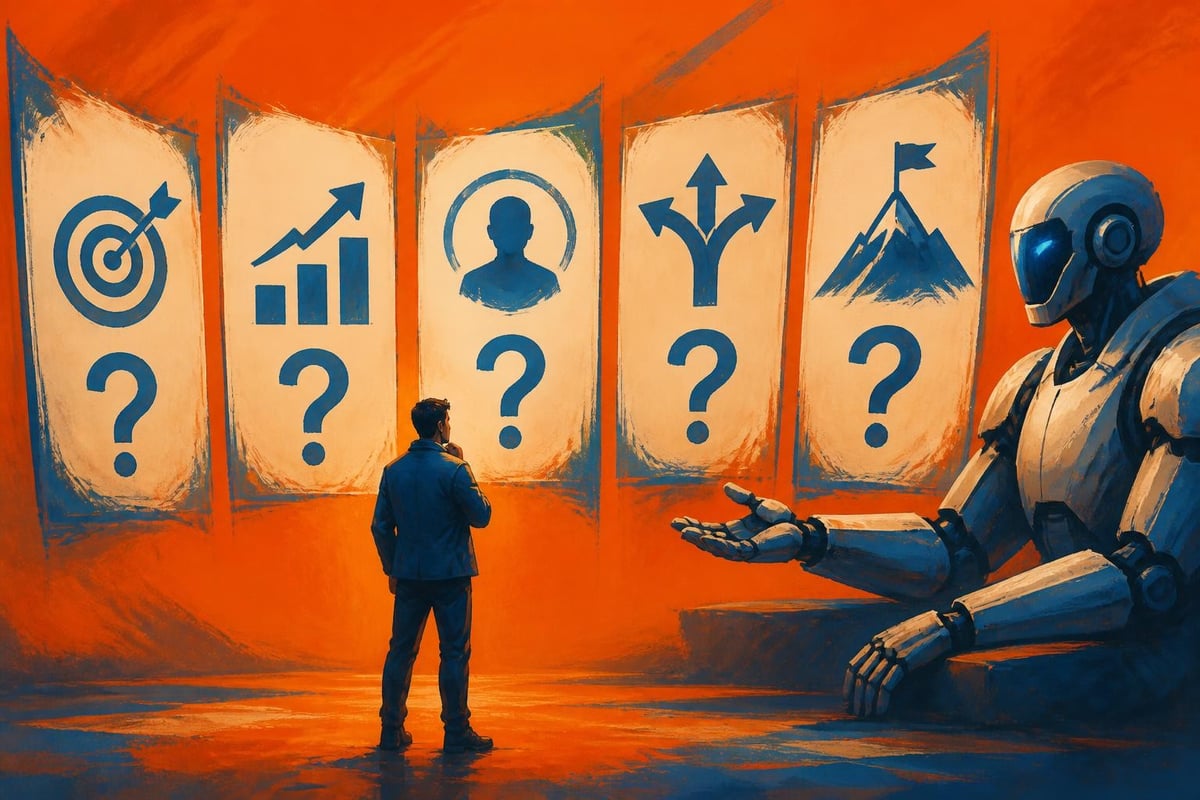
The phrase "AI coaching nearly sent me the wrong direction" should trigger healthy skepticism, not fear. AI tools will keep improving. But coaching is fundamentally about changing behavior in messy, political, consequence-laden organizational systems. No algorithm masters that context in 2026, and buyers who expect it will waste months on programs that feel innovative but change nothing.
AI coaching tools promise efficiency and scale, but they can't replace the pattern recognition that comes from coaching hundreds of leaders through real accountability challenges. If you need corporate coaching that delivers measurable business results rather than just engagement metrics, Noomii connects you with experienced coaches who roll up their sleeves, coach live in your meetings, and tie every intervention to clear KPIs and ROI. We work month to month with no long contracts because results should be visible, not locked behind year-long commitments.


Leave a Reply
Want to join the discussion?Feel free to contribute!