

What If a Coach Flirts: Boundaries and Ethics
Professional coaching depends on trust, psychological safety, and clear boundaries. When those boundaries blur, the relationship becomes compromised, outcomes suffer, and reputations crumble. The question "what if a coach flirts" is not hypothetical. It happens in athletic coaching, corporate settings, and personal development work, and the consequences extend far beyond awkwardness. Understanding where professional attention ends and inappropriate behavior begins is critical for coaches, clients, and organizations hiring coaching services.
The Reality of Boundary Violations in Coaching
Athletic coaching has documented decades of ethical failures. Former tennis player Pam Shriver revealed an inappropriate relationship with her coach that began when she was 17, describing it as "inappropriate and damaging." Her story is not isolated. A gym owner reported grooming concerns about a coach years before his arrest, highlighting how organizations often ignore early warning signs.
Corporate coaching operates with less public scrutiny but carries identical risks. When a coach flirts with a client, the power dynamic shifts. The coaching relationship requires vulnerability. Clients share career anxieties, leadership failures, and personal struggles. A coach who introduces romantic or sexual overtones exploits that vulnerability.
What if a coach flirts during a session? The immediate result is confusion. The client questions whether feedback is professional judgment or personal interest. They second-guess every interaction. Trust evaporates.
Legal and Regulatory Standards
Some jurisdictions treat coaching misconduct seriously. New Jersey’s Administrative Code defines sexual misconduct for licensed athletic trainers, including verbal conduct, unwanted physical contact, and romantic overtures. While corporate coaches rarely face licensing requirements, professional standards still apply.

Educational institutions provide models worth studying. Salt Lake Community College’s policy on abusive coaching practices details prohibited behaviors including verbal abuse, emotional manipulation, and inappropriate relationships. These policies exist because patterns repeat.
| Boundary Type | Professional Behavior | Violation Example |
|---|---|---|
| Physical | Handshake, professional distance | Unnecessary touching, hugs |
| Verbal | Goal-focused feedback | Personal compliments, innuendo |
| Time | Scheduled sessions | Late-night texts, social meetings |
| Digital | Work email, calendar invites | Personal social media contact |
Red Flags Organizations Miss
Mid-market companies hiring business coaches or leadership coaching services rarely establish monitoring systems. They assume credentials prevent misconduct. They don't.
Certifications measure curriculum completion, not character. A coach can hold multiple certifications and still violate boundaries. Organizations need behavioral observation, not credential worship.
Warning signs include:
- Coaching sessions that consistently run over time
- Meetings scheduled outside business hours without business justification
- Personal questions unrelated to coaching objectives
- Social media friend requests or follows
- Comments about appearance, attractiveness, or personal life
- Resistance to observers or stakeholders in sessions
What if a coach flirts and the client doesn't report it? Silence compounds risk. USA Gymnastics and the U.S. Center for SafeSport faced lawsuits alleging failure to prevent abuse despite warnings. Corporate environments create similar dynamics where clients fear retaliation, embarrassment, or disbelief.
The Power Dynamic Problem
Coaching inherently involves power imbalance. The coach positions themselves as expert, guide, or authority. Clients seek approval, validation, and results. This dynamic mirrors other helping professions where boundary violations occur.
When a coach flirts, they weaponize that power. The client cannot easily refuse or report without risking the coaching relationship, career development opportunities, or professional standing within the organization.
Case Pattern: What Happens Next
Organizations that ignore early signals face escalating problems:
- Initial boundary crossing – Flirtatious comment dismissed as "misunderstanding"
- Normalization – Behavior continues; client adapts or withdraws
- Escalation – Coach tests further boundaries; requests personal meetings
- Incident – Clear violation occurs; client reports or relationship becomes known
- Organization response – Delayed action, minimization, or focus on reputation management
The French ski coaching scandal involving minors demonstrates how patterns persist across international contexts. These are not isolated cultural issues. They reflect systemic failures to prioritize client safety over organizational convenience.

Prevention Through Structure
Effective organizations build prevention into coaching engagements. This includes:
Transparent stakeholder involvement – Coaching never happens in complete isolation. Progress reviews include the client's manager or HR partner. This creates natural accountability.
Clear contracting – Written agreements specify coaching scope, communication channels, session times, and professional boundaries. Both parties acknowledge behavioral standards.
Results orientation – When coaching is the better choice, it delivers measurable business outcomes. Focus on KPIs, leadership behaviors, team performance, and execution metrics keeps sessions grounded in professional objectives.
Multiple coach options – Clients should know they can request a different coach without penalty. This removes the pressure to tolerate inappropriate behavior.
Organizations investing in psychological safety in the workplace understand that coaching relationships model broader cultural norms. If coaches violate trust, the entire initiative fails.
What Clients Should Do
If you're wondering what if a coach flirts in your specific situation, trust your instinct. Coaching should feel professionally supportive, not personally uncomfortable.
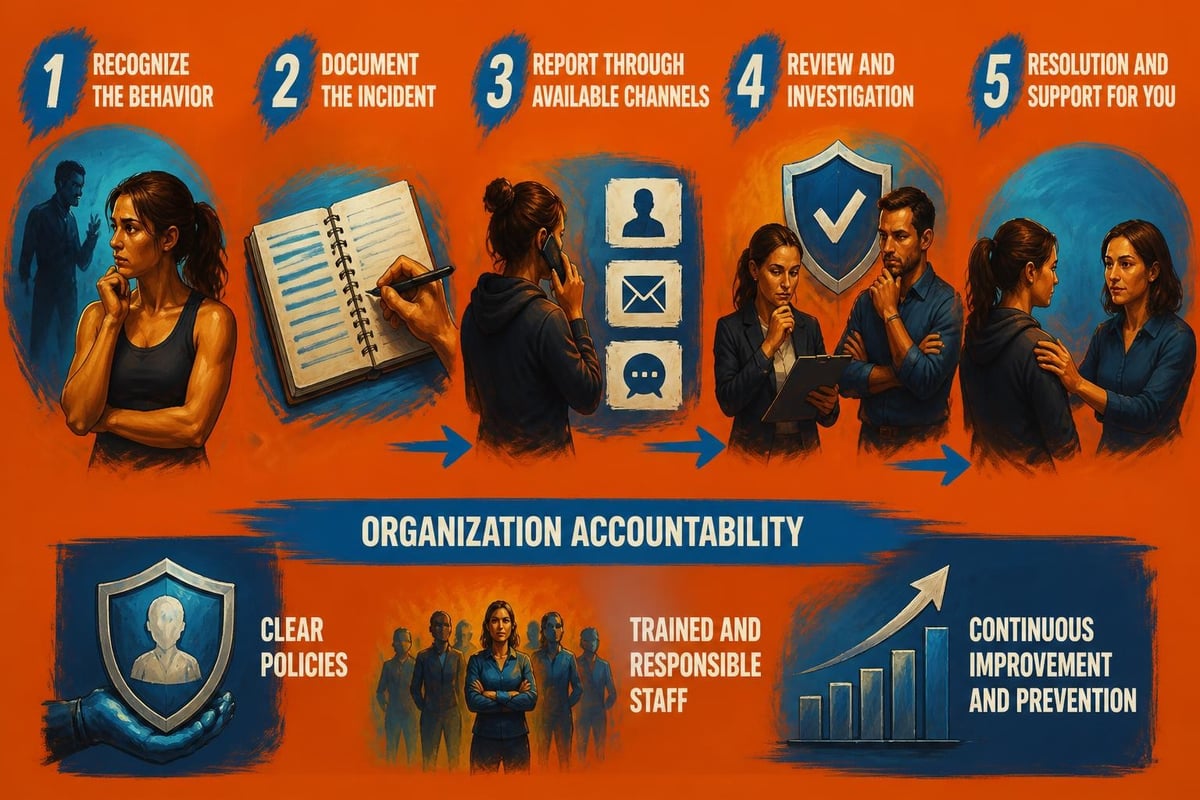
Immediate actions:
- Document the behavior with dates, times, and specific language used
- Inform your manager, HR partner, or the coaching vendor's account manager
- Request a different coach immediately
- Do not continue sessions with the same coach
Professional coaches welcome feedback and accountability. A coach who becomes defensive, blames the client, or minimizes concerns confirms the problem.
| Response Type | Professional Coach | Problematic Coach |
|---|---|---|
| To feedback | Listens, adjusts, apologizes | Defensive, dismissive, blames |
| To boundaries | Respects without question | Tests, questions, pushes |
| To observation | Welcomes stakeholders | Prefers isolation, secrecy |
| To results focus | Shares data, celebrates wins | Focuses on relationship, process |
The Coaching Industry's Responsibility
The coaching industry lacks universal regulation. This creates risk. Unlike therapy, where licensing boards enforce ethics, most business coaching operates on self-regulation and market reputation.
Professional coaches should:
- Maintain clear professional boundaries as standard practice
- Decline clients where personal attraction exists
- Participate in ongoing supervision or peer consultation
- Carry professional liability insurance
- Follow established codes of ethics from credible bodies
Organizations like Noomii that connect companies with coaches bear responsibility for vetting, monitoring, and removing coaches who violate trust. Credential verification is insufficient. Client feedback, outcome tracking, and incident response matter more.
The question what if a coach flirts should trigger immediate investigation, not rationalization. Olympic swimmer Ariana Kukors detailed alleged abuse by her coach in an emotional essay that revealed years of manipulation. Corporate coaching environments are not immune to identical dynamics.
FAQ
Q: Is it ever acceptable for a coach to compliment a client's appearance?
A: No. Professional coaches focus feedback on performance, behaviors, and results. Personal appearance comments introduce unnecessary ambiguity and discomfort.
Q: What's the difference between friendly rapport and flirting?
A: Rapport builds on shared professional goals, mutual respect, and task-focused conversation. Flirting involves personal compliments, suggestive comments, or attention to romantic or sexual attraction.
Q: Should coaching sessions ever happen outside business hours?
A: Only when business necessity dictates (time zones, urgent projects). Regular evening or weekend sessions without clear business justification raise questions.
Q: Can a coach and client develop a personal relationship after the coaching ends?
A: Ethically complex. Best practice maintains professional distance indefinitely. Power dynamics and prior vulnerability don't disappear when sessions stop.
Q: What if the client initiates flirtatious behavior?
A: The coach must immediately redirect to professional boundaries, document the interaction, and potentially decline continued engagement. The coach holds responsibility regardless of who initiates.
Q: How should organizations screen coaches for ethical risks?
A: Beyond credentials, check references specifically asking about boundary maintenance, professionalism, and any past concerns. Include stakeholders in coaching sessions. Monitor client feedback systematically.
Q: Are virtual coaching sessions safer than in-person regarding boundary issues?
A: Not necessarily. Inappropriate behavior occurs through video calls, messaging, and email. The medium matters less than the coach's character and organizational oversight.
Q: What liability does a company face if their hired coach behaves inappropriately?
A: Potentially significant if the company ignored warning signs, failed to establish clear policies, or didn't respond appropriately to reports. Due diligence and swift action are critical.
Q: How common are boundary violations in corporate coaching?
A: Difficult to measure due to underreporting. Athletic coaching data suggests patterns exist wherever power imbalances and unsupervised relationships occur. Corporate coaching is not exempt.
Protecting clients and maintaining professional integrity requires vigilance, not assumptions. Organizations investing in executive coaching, leadership development, or team coaching must establish clear behavioral standards, monitoring systems, and reporting channels. Noomii Corporate Coaching helps mid-market companies build accountable leaders through transparent, results-driven engagements where coaching happens in your meetings, tied to measurable KPIs and business outcomes. If you need coaching that prioritizes professional boundaries and delivers visible results month over month, explore options at Noomii.



Leave a Reply
Want to join the discussion?Feel free to contribute!