

The AI Coaching Experiment That Backfired (2026 Update)
A mid-market software company with 180 employees launched what seemed like a perfect solution in early 2026. Their director of people operations, frustrated by inconsistent manager quality and stretched budgets, signed a contract with an AI coaching platform promising "personalized leadership development at scale." Within six weeks, the ai coaching experiment that backfired became a case study in what happens when organizations chase technology instead of business outcomes. The platform generated thousands of recommendations. Engagement dropped 22%. Three senior managers requested transfers. And the VP of Sales openly called the initiative "the most expensive distraction we've ever funded."
What The Company Actually Bought
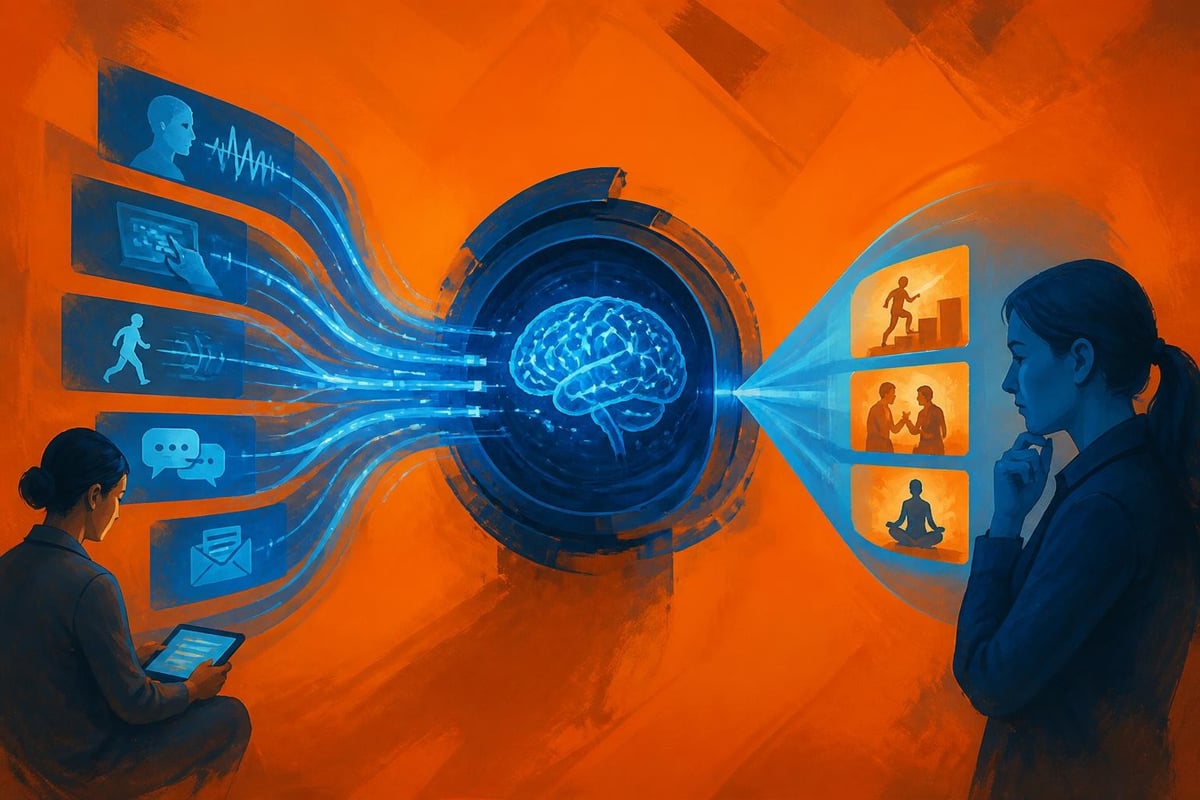
The platform looked impressive during demos. Natural language processing analyzed manager communication patterns. Machine learning surfaced "development opportunities" based on email tone, meeting frequency, and calendar blocks. The vendor promised behavioral change through daily micro-coaching delivered via Slack.
What the contract included:
- AI-generated feedback based on digital activity
- Weekly personalized development plans
- Gamified progress tracking with leaderboards
- Integration with HR systems and productivity tools
- Monthly aggregate reports showing "engagement scores"
What it didn't include was any mechanism to connect these activities to actual business problems. No one asked whether better email tone would improve the sales team's 18% quarterly miss. The platform measured inputs, not outcomes.
The Warning Signs Everyone Missed
Three red flags appeared in the first two weeks, but the company dismissed them as "adoption friction." First, managers reported spending 90 minutes weekly reviewing AI suggestions that felt generic and disconnected from their real challenges. A regional sales manager received feedback to "increase empathy signals in written communication" the same week her team closed their largest enterprise deal of the year.
Second, the platform had no way to distinguish between productive conflict and dysfunction. When a product team engaged in healthy debate about feature prioritization, the AI flagged the manager for "creating psychological safety issues" based on Slack message sentiment analysis. Research on AI coaching ethics highlights how these systems often lack the contextual understanding necessary for meaningful intervention.
| Warning Sign | What Happened | What Was Needed |
|---|---|---|
| Generic feedback | AI suggested "active listening" to all 23 managers | Diagnosis of specific team dysfunction |
| No business context | Recommendations ignored revenue miss, attrition spike | Coaching tied to KPIs and quarterly goals |
| Volume over value | 847 suggestions in month one | 3-5 high-impact interventions per leader |
Third, the ai coaching experiment that backfired because it created a new layer of performance theater. Managers gamed the system by adjusting communication patterns to satisfy the algorithm rather than improving actual leadership effectiveness.
When The Experiment Collapsed
The breaking point came during a quarterly business review. The CEO asked the leadership team to explain why employee engagement scores dropped despite "record investment in development." The director of people operations presented charts showing platform adoption rates and completion percentages. The CFO asked a different question: "What business outcome improved?"
Silence.
The actual business impact over 12 weeks:
- Sales team retention dropped from 91% to 84%
- Average deal close time increased by 11 days
- Cross-functional project delivery slowed by 23%
- Manager one-on-ones became checkbox exercises
- Three high performers requested reassignment citing "micromanagement by algorithm"
The platform had perfect data on every manager's digital footprint. It had zero insight into why the pipeline stalled, why the marketing team missed three launch deadlines, or why two key accounts threatened to leave. Common reasons AI coaching pilots fail include this fundamental disconnect between measurement and meaning.

What Real Coaching Would Have Diagnosed
A human coach spending four hours with the leadership team would have identified the core issues. The sales miss wasn't a coaching problem; it was a compensation structure misaligned with the new product strategy. The manager quality issue stemmed from promoting individual contributors without transition support. The engagement drop connected directly to uncertainty about the company's acquisition talks, which everyone knew about but no one discussed.
These are the kinds of problems experienced executive coaches surface by asking uncomfortable questions, observing team dynamics, and connecting leadership behavior to business outcomes. The AI platform couldn't diagnose organizational dysfunction because it was designed to optimize individual behavior in a vacuum.
The Real Cost Beyond The Subscription
The company paid $48,000 for the annual platform subscription. The actual cost exceeded $340,000 when accounting for:
- Manager time reviewing irrelevant suggestions (approximately 3,400 hours at blended rate)
- HR team time managing vendor relationship, data integration, and reporting
- Opportunity cost of delaying interventions that would have addressed root causes
- Recruitment and onboarding costs for three manager replacements
- Revenue impact from extended sales cycles and account risk
The ai coaching experiment that backfired taught the executive team an expensive lesson about the difference between measurement and development. As Forbes Coaches Council warns, AI tools lack the empathy, contextual judgment, and business acumen required for meaningful leadership development.
The Course Correction
In August 2026, the company cancelled the AI platform and brought in leadership development coaches who started by asking about business problems, not development preferences. The new approach included live observation of leadership team meetings, direct feedback tied to decision quality and execution speed, and coaching conversations focused on removing obstacles to team performance.
Within 90 days:
- Sales cycle times returned to baseline and improved 8% further
- Manager one-on-ones shifted from compliance exercises to problem-solving sessions
- Employee engagement recovered and exceeded previous high by 6 points
- Two of the three managers who requested transfers stayed and reported improved support
The engagement didn't come from better surveys or AI-generated affirmations. It came from managers who learned to diagnose team problems, make faster decisions, and create clarity around priorities.
What Buyers Should Demand Instead
The ai coaching experiment that backfired because the company bought technology when they needed expertise. Organizations considering coaching investments should demand proof of business outcomes, not platform features.
Questions to ask before any coaching engagement:
- What specific business problem will this solve?
- How will we measure impact on team performance and results?
- Who owns the diagnosis of what leaders need to change?
- What happens if the intervention doesn't improve outcomes?
- Can the vendor point to similar companies with measurable results?
Understanding how AI tools fit into coaching requires recognizing their role as supplements to human judgment, not replacements. The most effective coaching combines technology for logistics and scheduling with human expertise for diagnosis, feedback, and accountability.

Lessons From Adjacent Failures
The coaching industry isn't alone in learning this lesson. Recent experiments with autonomous AI in business operations show similar patterns: impressive technology, poor business judgment, and costly course corrections. AI excels at pattern recognition and data processing. It fails at the messy, context-dependent work of changing human behavior in organizational systems.
Similarly, AI’s limitations in prediction demonstrate that sophisticated models still struggle with complex systems where human judgment, relationship dynamics, and situational factors matter more than historical patterns.
FAQ
What made this AI coaching pilot fail when others succeed?
The pilot failed because it optimized for platform adoption rather than business outcomes. Successful implementations use AI as a supplement to human coaching, not a replacement, and maintain tight alignment between development activities and measurable business goals.
How much should companies expect to invest in effective leadership coaching?
Effective coaching typically costs $3,000-$8,000 per leader per quarter for mid-market companies, but the investment should be evaluated against business outcomes like retention improvement, faster decision cycles, and team performance metrics, not just the hourly rate.
Can AI coaching tools provide any value in leadership development?
AI tools add value when used for scheduling, progress tracking, resource delivery, and pattern identification, but the diagnosis, feedback, and behavior change conversation still require human expertise and business context that algorithms cannot replicate.
What signals indicate a coaching vendor focuses on outcomes versus credentials?
Outcome-focused vendors ask about your business problems before discussing their methodology, propose success metrics tied to team performance, offer flexible terms based on results, and provide case studies showing measurable improvements in execution, retention, or revenue.
How quickly should companies expect to see results from leadership coaching?
Behavioral changes typically appear within 4-6 weeks, but measurable business impact on team performance, decision quality, and execution usually becomes clear within 90 days when coaching addresses real organizational problems rather than generic development.
Why do managers resist AI coaching platforms more than human coaches?
Managers resist AI platforms that generate generic feedback disconnected from their real challenges, create compliance theater, and measure activity rather than impact, while they engage with human coaches who help solve actual problems and improve team results.
What's the biggest mistake companies make when buying coaching services?
The biggest mistake is selecting vendors based on credentials, certifications, or platform features rather than proven ability to diagnose organizational problems and deliver measurable improvements in the specific business outcomes the company needs.
Should coaching investments require the same ROI standards as other business expenditures?
Yes. Coaching should meet the same ROI standards as any business investment, with clear metrics connecting the intervention to improvements in retention, productivity, decision speed, or revenue, rather than relying on satisfaction scores or completion rates.
How can organizations avoid the problems this company experienced?
Organizations avoid these problems by starting with business diagnosis rather than vendor selection, demanding outcome-based metrics, maintaining month-to-month terms until results are proven, and choosing coaches who observe real work rather than generating recommendations from digital signals.
The ai coaching experiment that backfired because the organization chose technology over expertise and measurement over meaning. Real leadership development happens when experienced coaches diagnose actual business problems, work alongside teams to improve execution, and tie every intervention to measurable outcomes. Noomii Corporate Coaching helps mid-market companies build accountable leaders through hands-on coaching in your meetings, clear KPIs tied to business results, and month-to-month terms that keep us focused on visible progress, not vendor lock-in.



Leave a Reply
Want to join the discussion?Feel free to contribute!