
HR and Coaching: Transforming Leadership Development
The integration of hr and coaching has fundamentally transformed how organizations develop their leadership talent. What was once considered a remedial intervention reserved for underperforming executives has evolved into a strategic imperative that drives organizational culture, retention, and competitive advantage. Organizations that embed coaching into their human resources framework consistently outperform competitors in leadership effectiveness, employee engagement, and measurable business outcomes. This strategic alignment between HR systems and coaching methodologies represents the most significant advancement in leadership development over the past decade.
The Strategic Imperative of HR and Coaching Integration
Human resources professionals face unprecedented complexity in 2026. The war for talent, hybrid work environments, and rapidly shifting organizational structures demand leadership capabilities that traditional training programs cannot deliver. This reality makes hr and coaching integration not just beneficial but essential for organizational survival.

Organizations implementing comprehensive coaching programs within their HR infrastructure report significant improvements across multiple dimensions. The data speaks clearly: companies with structured coaching initiatives experience 86% higher leadership retention rates and 70% improvement in team performance metrics compared to organizations relying solely on traditional development methods.
Evidence-Based Approaches to Leadership Development
The foundation of effective hr and coaching programs rests on diagnostic precision. Organizations must move beyond subjective assessments and implement validated tools that identify specific leadership gaps, behavioral patterns, and developmental needs. This evidence-based approach ensures coaching interventions target the actual challenges leaders face rather than generic competencies.
Advanced leadership assessments measure critical dimensions including:
- Strategic thinking and decision-making capabilities
- Emotional intelligence and interpersonal effectiveness
- Change management and adaptability
- Communication styles and influence patterns
- Conflict resolution and negotiation skills
- Team building and delegation competencies
These diagnostic insights enable HR teams to design targeted interventions that address root causes rather than symptoms. A Fortune 500 technology company implemented evidence-based diagnostics across their executive team in 2025, identifying three critical leadership gaps that traditional performance reviews had missed entirely. The subsequent coaching interventions generated documented improvements in cross-functional collaboration and reduced executive turnover by 43% within eighteen months.
Building a Coaching Culture Through HR Leadership
HR departments serve as the architects of organizational culture, and their approach to hr and coaching determines whether coaching becomes a transformative force or a superficial program. Creating a genuine coaching culture requires deliberate design, executive sponsorship, and systematic implementation across all organizational levels.
The most successful organizations treat coaching as a continuous development process rather than an isolated event. This means enabling coaching in the workplace through multiple channels, from formal executive coaching engagements to peer coaching networks and manager-as-coach models. Each layer reinforces the others, creating an ecosystem where developmental conversations become standard practice.
| Cultural Element | Traditional Approach | Coaching-Enabled Approach |
|---|---|---|
| Performance Discussions | Annual review focused on evaluation | Ongoing dialogue focused on growth |
| Leadership Development | Generic training programs | Customized coaching interventions |
| Problem Resolution | Top-down directives | Collaborative exploration |
| Feedback Mechanisms | One-way from manager to employee | Multi-directional and continuous |
| Success Metrics | Individual achievement | Team and organizational impact |
Organizations building authentic coaching cultures invest in developing essential HR coaching skills across their entire leadership population. This democratization of coaching capability transforms organizational dynamics by embedding developmental mindsets into daily operations.
Precision Matching: The Foundation of Coaching Success
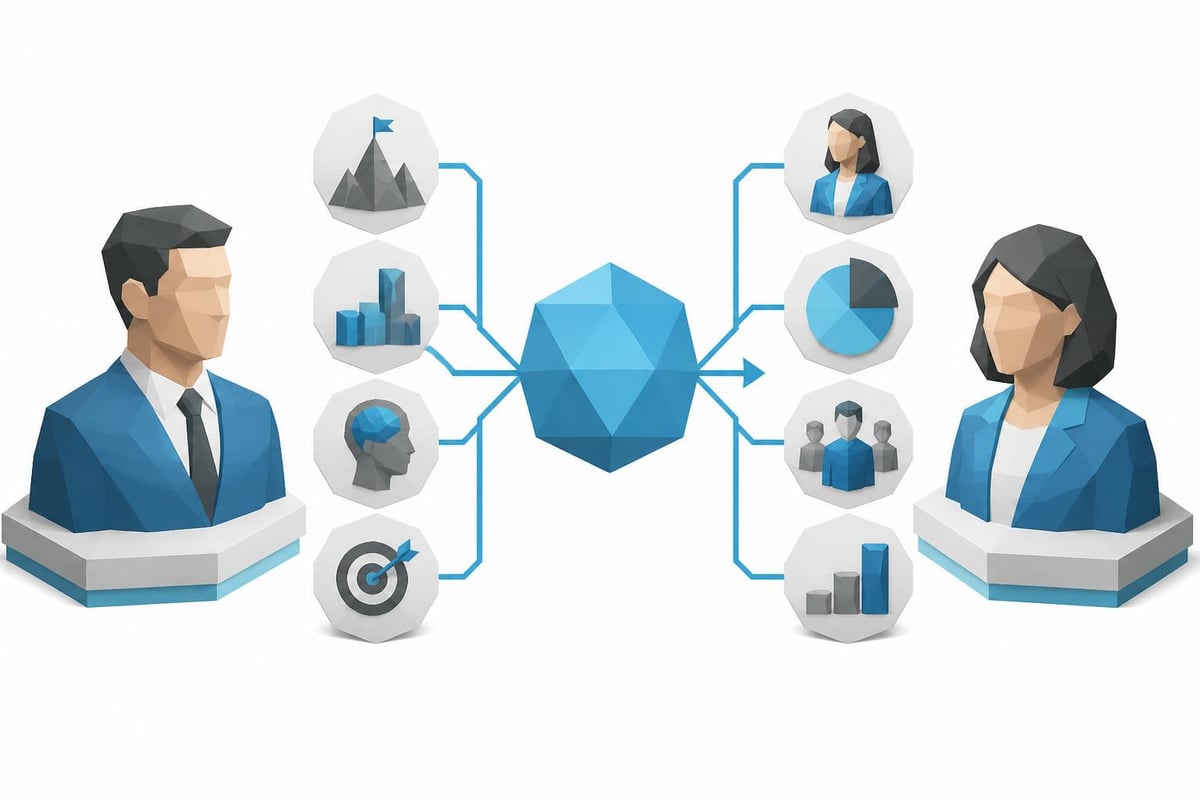
Generic coach assignments produce generic results. The science of hr and coaching has advanced significantly in understanding that coach-client fit determines outcome quality as much as coach credentials or client motivation. Organizations achieving exceptional results implement sophisticated matching processes that consider multiple compatibility dimensions.
Effective matching algorithms assess:
- Industry and sector expertise: Coaches with relevant business context deliver more actionable insights
- Leadership challenge specialization: Specific challenges require specific coach capabilities
- Communication style compatibility: Alignment in communication preferences accelerates trust building
- Cultural and contextual awareness: Coaches must understand organizational dynamics and cultural nuances
- Developmental stage alignment: Executive needs vary significantly based on career stage
A government agency struggling with toxic leadership patterns implemented precision matching in their coaching program, pairing problematic leaders with coaches specializing in toxic leader transformation. The results exceeded expectations, with 78% of participants demonstrating measurable behavioral improvements within six months and team engagement scores increasing by an average of 34 points.
Measuring Impact and Demonstrating ROI
CFOs and executive teams demand quantifiable returns on development investments. The evolution of hr and coaching has produced sophisticated measurement frameworks that demonstrate both qualitative improvements and hard financial metrics. Organizations that implement comprehensive measurement systems consistently secure ongoing budget support and program expansion.
Effective measurement strategies track multiple categories:
Individual Leader Metrics
- 360-degree feedback score improvements
- Specific behavioral change indicators
- Goal achievement percentages
- Self-reported confidence and capability increases
Team Performance Indicators
- Employee engagement scores
- Team productivity metrics
- Turnover rates and retention improvements
- Cross-functional collaboration effectiveness
Organizational Outcomes
- Leadership bench strength
- Succession planning readiness
- Cultural health indicators
- Revenue per employee improvements
Research published in Frontiers in Psychology provides meta-analytical evidence that workplace coaching generates significant positive effects across performance, well-being, and skill development domains. Organizations measuring these dimensions systematically document coaching ROI ranging from 300% to 700%, with the highest returns coming from programs that combine individual coaching with systemic organizational interventions.
Understanding whether business coaching delivers measurable ROI requires tracking both leading and lagging indicators. Leading indicators include engagement in coaching sessions, action plan completion rates, and interim milestone achievement. Lagging indicators encompass promotion rates, performance ratings, and retention statistics measured six to eighteen months post-coaching.
Scaling HR and Coaching Across Large Organizations
The challenge intensifies when organizations attempt to scale hr and coaching programs across thousands of employees, multiple geographies, and diverse business units. Successful scaling requires technology infrastructure, process standardization, and quality control mechanisms that maintain coaching effectiveness while increasing reach.
Technology Infrastructure for Scale
Modern coaching platforms enable HR teams to manage complex programs through centralized systems that handle scheduling, progress tracking, feedback collection, and outcome measurement. These platforms integrate with existing HR information systems, creating seamless data flow and reducing administrative burden.
The most sophisticated organizations implement platforms that provide:
- Automated coach-client matching based on configurable criteria
- Secure communication channels with session recording and note storage
- Progress dashboards for participants, coaches, and program administrators
- Integration with learning management systems and performance platforms
- Analytics engines that identify trends and predict outcomes
A Fortune 500 financial services company deployed an integrated coaching platform across 47 countries, managing 2,300 active coaching relationships through a single system. The platform reduced program administration costs by 62% while improving participant satisfaction scores by 28 points compared to their previous manual coordination approach.
Addressing Complex Leadership Challenges Through Coaching
The true test of hr and coaching programs comes when organizations face their most difficult leadership challenges. Toxic behaviors, executive derailment, succession crises, and cultural dysfunction require sophisticated interventions that combine coaching expertise with organizational development principles.
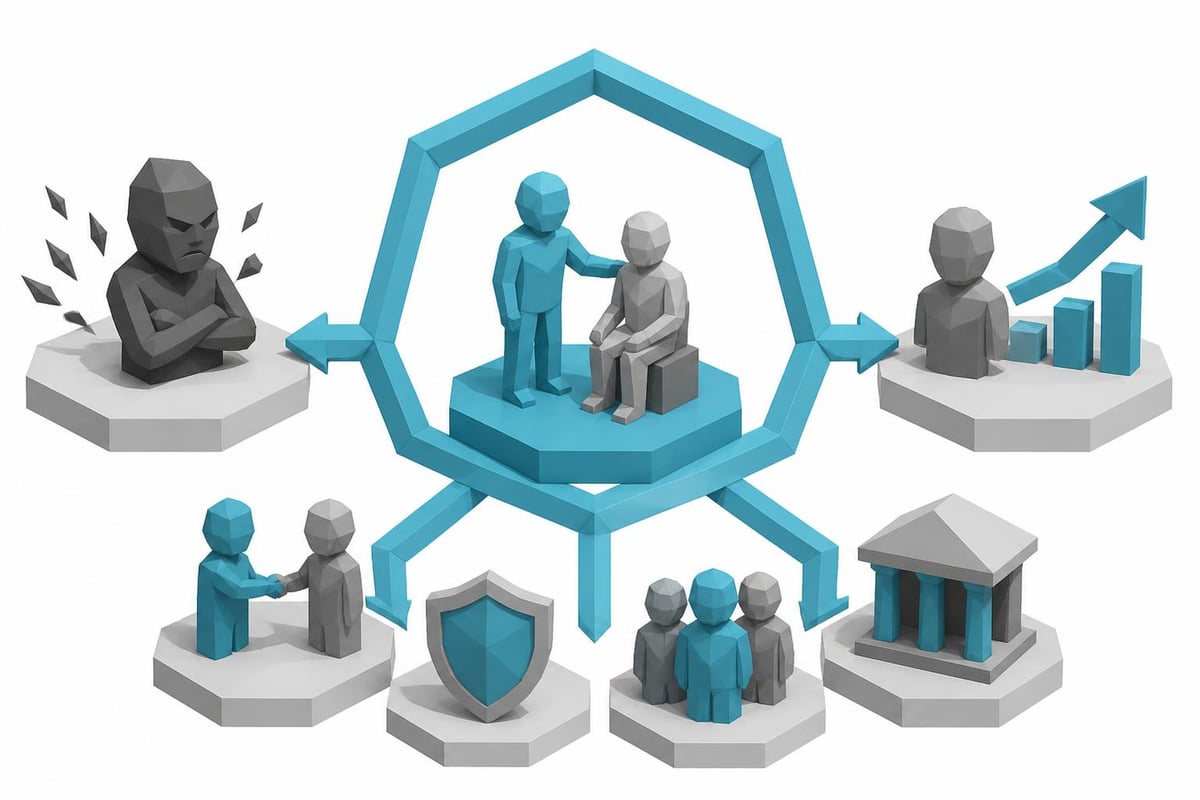
Organizations dealing with problematic leaders often hesitate to invest in coaching, viewing termination as simpler and faster. This perspective overlooks both the hidden costs of executive turnover and the potential value of successful transformation. When toxic leaders receive specialized coaching, success rates exceed 65% when programs include clear behavioral expectations, accountability structures, and organizational support for change.
Designing Targeted Intervention Plans
Effective intervention plans integrate individual coaching with systemic organizational changes. A coach working with an abrasive executive might achieve temporary behavioral improvements, but lasting change requires modifications to team structures, communication processes, and accountability mechanisms that previously enabled or rewarded problematic behaviors.
Comprehensive intervention plans include:
- Diagnostic Assessment: Identify specific behaviors, triggers, and impact patterns
- Stakeholder Alignment: Ensure HR, direct reports, and senior leadership support the process
- Behavioral Contracting: Establish clear expectations and consequences
- Skill Development: Build capabilities in areas of weakness
- Environmental Modification: Adjust organizational factors that perpetuate problems
- Progress Monitoring: Track behavioral changes and team impact metrics
- Accountability Structures: Create mechanisms ensuring sustained change
Organizations implementing this structured approach to high-risk coaching interventions report success rates three times higher than those using coaching alone without organizational support.
Governance, Compliance, and Ethical Considerations
Large organizations and government agencies operate under strict regulatory and ethical frameworks that extend to leadership development initiatives. HR and coaching programs must align with these requirements while maintaining the confidentiality and psychological safety essential for coaching effectiveness.
| Governance Area | Key Considerations | Implementation Approach |
|---|---|---|
| Confidentiality | Protecting coaching conversations while meeting reporting obligations | Clear policies defining confidential vs. reportable information |
| Vendor Management | Coach credentialing, background checks, and quality assurance | Rigorous vetting processes and ongoing performance monitoring |
| Data Privacy | Compliance with GDPR, CCPA, and sector-specific regulations | Secure platforms with appropriate data handling protocols |
| Ethical Standards | Preventing conflicts of interest and maintaining professional boundaries | Code of conduct for coaches and escalation procedures |
| Accessibility | Ensuring equal access across diverse employee populations | Multiple delivery modalities and accommodation processes |
Government agencies face particularly complex compliance requirements. A federal agency implementing hr and coaching across 15,000 employees developed a governance framework requiring security clearances for all coaches, encrypted communication systems, and quarterly compliance audits. Despite these constraints, the program achieved 89% participant satisfaction and documented leadership improvements across all measured dimensions.
Integration with Broader HR Development Frameworks
Isolated coaching programs generate limited impact. Maximum value emerges when hr and coaching integrates seamlessly with competency models, succession planning, high-potential programs, and performance management systems. This integration creates alignment between individual development and organizational capability building.
Strategic integration points include:
Succession Planning: Coaching accelerates readiness for identified successors and addresses specific gaps preventing promotion. Organizations using coaching within succession frameworks reduce time-to-readiness by an average of eight months.
High-Potential Development: Coaching provides personalized acceleration for emerging leaders while traditional programs deliver foundational knowledge. Combined approaches produce leaders who advance faster and perform better in expanded roles.
Performance Management: Coaching interventions address performance gaps identified through review processes while building capabilities for future challenges. This dual focus transforms remedial situations into developmental opportunities.
Onboarding and Transitions: Executive coaching during role transitions significantly improves integration speed and early performance. Leaders receiving transition coaching reach full productivity 40% faster than those without support.
When working with experienced executive coaches, HR leaders gain partners who understand these integration points and design coaching interventions that amplify broader development initiatives rather than operating in isolation.
Future Directions in HR and Coaching
The field continues evolving rapidly as new technologies, research insights, and organizational challenges emerge. HR leaders must anticipate these trends to design programs that remain relevant and effective through 2026 and beyond.
Emerging Trends Reshaping the Field
Artificial Intelligence and Data Analytics: AI-powered platforms analyze coaching conversations, identify patterns, and provide real-time feedback to coaches and participants. These tools enhance coaching effectiveness without replacing the essential human connection that drives transformation.
Hybrid and Virtual Coaching Models: The shift to distributed work has accelerated adoption of virtual coaching, with data showing equal or superior outcomes compared to in-person engagements for many coaching objectives. Organizations now design coaching programs without geographic constraints.
Neuroscience Integration: Understanding how brains change through coaching enables more effective interventions. Coaches incorporating neuroscience principles achieve faster behavioral change and more sustainable results.
Democratization of Coaching: Organizations extend coaching access beyond executive levels, providing coaching conversations to frontline leaders and individual contributors. This democratization amplifies organizational impact while supporting broader populations.
The most forward-thinking organizations view hr and coaching as dynamic capabilities requiring continuous evolution rather than static programs implemented once and maintained unchanged.
Selecting and Managing External Coaching Partners
Most organizations lack internal coaching capacity to meet their needs, making external partnerships essential. The quality of these partnerships directly determines program outcomes, making partner selection one of the most critical decisions HR leaders make.
Effective partner evaluation examines:
- Coach network depth and diversity: Breadth of specializations, industries, and geographic coverage
- Quality assurance processes: How partners vet, train, and monitor their coaches
- Matching methodology: Sophistication of processes pairing coaches with clients
- Technology capabilities: Platform features supporting program administration and measurement
- Measurement and reporting: Quality of data provided for outcome tracking
- Scalability: Ability to support growth without quality degradation
- Cultural alignment: Partner values and approaches consistent with organizational culture
Organizations achieving exceptional results often establish partnerships with top executive coaching firms that bring proven methodologies, extensive coach networks, and sophisticated technology platforms. These partnerships transform HR teams from program administrators into strategic orchestrators of leadership transformation.
The financial investment in coaching programs varies significantly based on scope, coach credentials, and delivery models. Understanding typical executive coaching costs enables realistic budget planning and prevents quality compromises that undermine program effectiveness.
Building Internal Coaching Capability
External coaching partnerships deliver critical capacity and expertise, but organizations maximizing hr and coaching impact also develop internal coaching capabilities. This dual approach creates sustainable coaching cultures while managing costs and building organizational knowledge.
Internal coaching development focuses on three populations:
- HR Business Partners: Equipping HR professionals with coaching skills transforms their effectiveness in performance discussions, career development, and conflict resolution
- Line Managers: Training managers to coach their teams improves daily developmental conversations and reduces dependence on formal programs
- Peer Coaches: Developing peer coaching networks provides accessible support for emerging leaders and individual contributors
Organizations implementing comprehensive internal coach development report 45% reductions in external coaching costs while maintaining or improving outcomes. The key lies in clarity about when internal coaching suffices versus when external expertise becomes necessary.
Complex challenges including executive derailment, toxic leadership, and C-suite development typically require external coaches with specialized expertise. Developmental coaching for emerging leaders and skill-building conversations often succeed with trained internal coaches supported by appropriate supervision and resources.
Feedback Mechanisms and Continuous Improvement
Excellence in hr and coaching requires systematic feedback collection and program refinement. Designing robust feedback processes enables HR leaders to identify what works, what needs adjustment, and where to invest incremental resources for maximum impact.
Comprehensive feedback systems gather input from multiple sources:
- Participant surveys: Satisfaction, perceived value, and behavioral change self-assessment
- Coach feedback: Insights on participant engagement, organizational barriers, and program design
- Stakeholder interviews: Manager and team perspectives on participant changes
- Outcome data: Performance metrics, retention statistics, and business results
- Comparative analysis: Benchmarking against industry standards and best practices
This multi-dimensional feedback enables continuous improvement cycles that incrementally enhance program effectiveness. Organizations implementing quarterly review processes achieve 34% higher coaching ROI compared to those conducting annual reviews or operating without systematic feedback mechanisms.
Integrating hr and coaching strategically transforms organizations from the executive suite to frontline leadership, creating measurable improvements in performance, engagement, and business outcomes. The most successful programs combine evidence-based diagnostics, precision coach matching, comprehensive measurement systems, and seamless integration with broader talent management frameworks. To achieve these results requires both sophisticated program design and proven implementation partners. Noomii Leadership Coaching delivers comprehensive solutions that align individual growth with organizational priorities through advanced assessments, proprietary matching technology, and a global network of certified executive coaches. For organizations seeking reliable measurement frameworks alongside coaching programs, resources like Accountability Now provide complementary systems that track leadership development progress and ensure sustainable behavioral change.



Leave a Reply
Want to join the discussion?Feel free to contribute!