

Executive Presence Coaching: Build Leaders Who Deliver
Leaders who lack executive presence struggle to earn trust, influence decisions, and rally teams around shared objectives. This invisible barrier limits career progression and organizational impact, even when technical expertise runs deep. Executive presence coaching addresses this gap by building the confidence, communication skills, and credibility that transform competent managers into influential leaders who drive measurable business outcomes.
What Executive Presence Coaching Actually Develops
Executive presence extends far beyond polished appearances or commanding voices. It encompasses the gravitas, communication effectiveness, and appearance that signal leadership readiness.
The Three Pillars of Leadership Impact
Toastmasters International outlines the core elements that create lasting impressions in high-stakes environments. Gravitas represents how leaders demonstrate confidence under pressure, make tough calls, and maintain composure during organizational turbulence. Communication clarity involves articulating complex ideas simply, listening actively, and adapting messaging to diverse audiences. Appearance includes both physical presentation and the ability to read rooms, manage energy, and project authenticity.
Key competencies developed through coaching include:
- Confident decision-making in ambiguous situations
- Persuasive communication that drives alignment
- Emotional regulation during high-pressure moments
- Strategic thinking articulated clearly to stakeholders
- Authentic leadership presence aligned with personal values

CoachSource’s 3×3 framework breaks these elements into nine actionable qualities that coaches can target. This structured approach transforms vague aspirations into concrete development plans tied to observable behaviors and business metrics.
Why Mid-Market Companies Invest in Executive Presence Development
Organizations with 25 to 500 employees face unique leadership challenges. Rapid growth strains existing talent, promotions often outpace development, and emerging leaders lack the presence to command authority in expanding roles.
| Business Challenge | How Executive Presence Coaching Addresses It |
|---|---|
| Newly promoted managers struggle to lead former peers | Builds confidence and communication skills to establish credibility |
| Leadership team misaligned on strategy | Develops persuasive articulation and active listening for consensus |
| Executives fail to inspire confidence in investors | Cultivates gravitas and storytelling abilities for high-stakes presentations |
| Retention issues with top talent | Creates authentic leadership that fosters engagement and trust |
Executive presence coaching delivers immediate impact when tied to specific business outcomes. Unlike theoretical programs, practical coaching addresses real situations: board presentations, difficult conversations, team restructuring, or customer negotiations.
The ROI of Leadership Credibility
Companies investing in leadership coaching services report faster decision cycles, improved cross-functional collaboration, and higher employee engagement scores. When leaders project confidence and clarity, teams execute more efficiently because direction becomes unambiguous.
IMD’s research demonstrates that executive presence directly correlates with career advancement velocity and organizational influence. Leaders perceived as having strong presence receive 30% more stretch assignments and promotion opportunities compared to equally competent peers lacking this quality.
How Effective Executive Presence Coaching Works
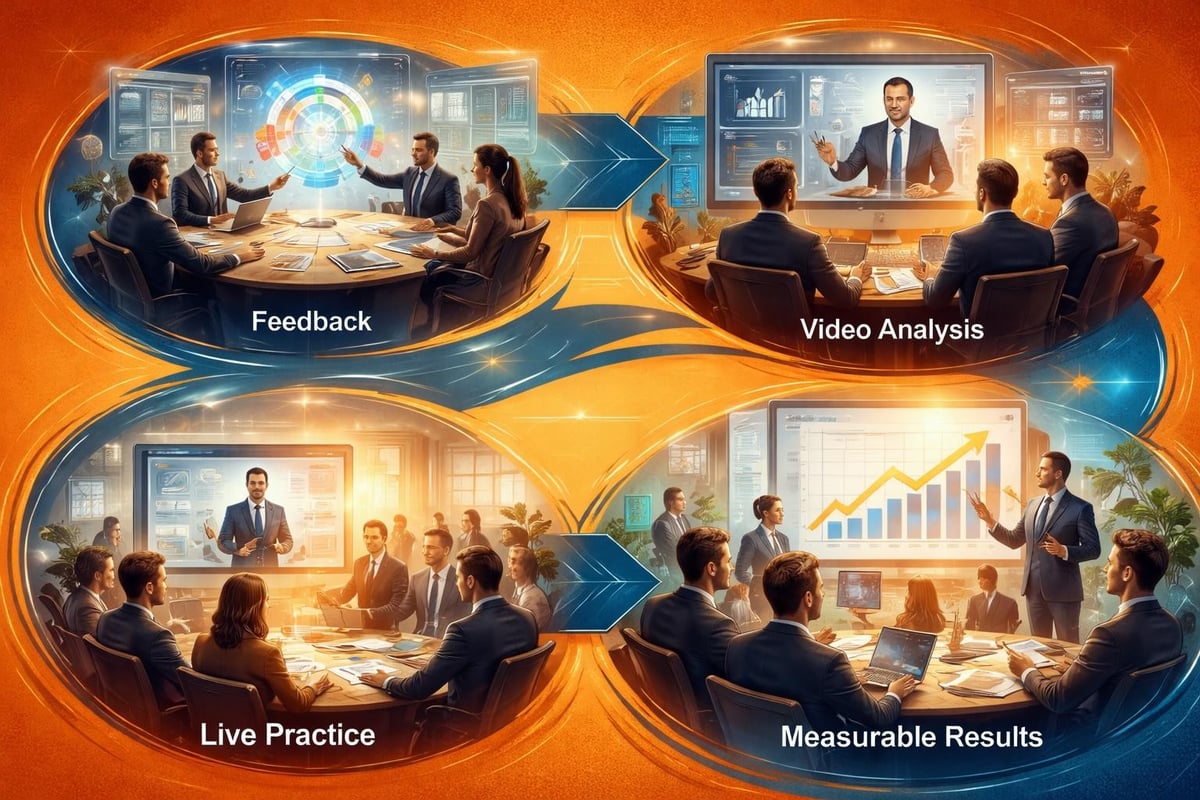
The most impactful programs combine assessment, live practice, and accountability rather than classroom theory disconnected from daily realities.
Assessment and Baseline Measurement
- 360-degree feedback gathering input from direct reports, peers, and supervisors on current presence perceptions
- Video analysis of presentations, meetings, and interactions to identify verbal and non-verbal patterns
- KPI establishment linking presence development to business metrics like meeting effectiveness, decision speed, or engagement scores
- Behavioral benchmarking comparing current performance against role requirements and organizational standards
Eve Coaching emphasizes the importance of gravitas and emotional intelligence as foundational elements that assessments must measure accurately.
Live Coaching in Real Business Contexts
The coaching methodology at AccountabilityNow exemplifies hands-on development where coaches participate in actual leadership situations. This approach delivers faster skill acquisition because leaders receive immediate feedback while stakes remain real.
Practical coaching scenarios include:
- Sitting in on executive team meetings to observe communication patterns
- Preparing leaders for board presentations with rehearsal and refinement
- Coaching through difficult conversations before they occur
- Debriefing high-stakes interactions to reinforce effective behaviors
- Building operating cadences that create regular practice opportunities
Parachute Executive Coaching highlights that authenticity trumps superficial polish. Leaders develop sustainable presence when coaching aligns with their genuine values and communication style rather than forcing artificial personas.
Common Executive Presence Gaps and Solutions
Most leaders face predictable presence challenges that respond well to targeted coaching interventions.
Overcoming Credibility Barriers
Younger leaders, women in male-dominated industries, technical experts moving into general management, and leaders from underrepresented backgrounds often face higher scrutiny. Executive presence coaching helps these leaders navigate bias while amplifying their natural strengths.
BeSpoke Coaching examines how intentional self-awareness transforms presence. Leaders who understand their impact can adjust communication styles, body language, and decision-making approaches to match situational requirements without sacrificing authenticity.
Building Gravitas Under Pressure
Techniques that develop composure include:
- Structured decision frameworks that reduce analysis paralysis
- Scenario planning that prepares leaders for difficult questions
- Breathing and centering practices for emotional regulation
- Post-crisis debriefs that extract lessons and reinforce confidence
- Progressive exposure to higher-stakes situations with coaching support
The Noomii coach directory connects organizations with specialists who address specific presence challenges rather than generic leadership development.
Month-to-Month Coaching Models That Deliver Results
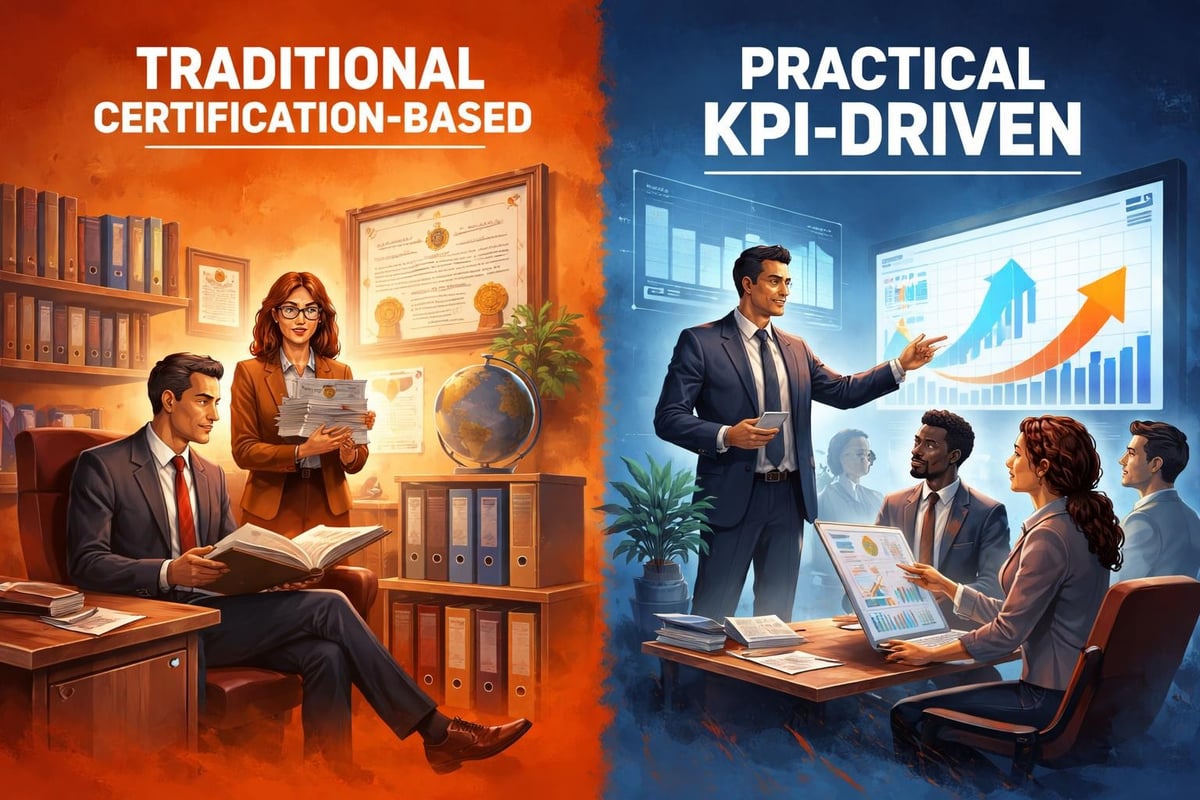
Traditional coaching engagements lock organizations into long contracts regardless of progress. Performance-based approaches align incentives differently.
| Traditional Coaching Model | Results-Focused Alternative |
|---|---|
| 12-month minimum contracts | Month-to-month terms with visible progress milestones |
| Certification-focused coaches | Practitioners with P&L experience and business acumen |
| Weekly one-on-one sessions only | Live coaching during actual meetings and presentations |
| Subjective progress measures | KPIs tied to business outcomes and behavioral change |
| Payment regardless of outcomes | Incentive structures aligned with measurable improvements |
Leadership development coaching works best when coaches share organizational risk. If presence improvements don't translate into faster decisions, better retention, or stronger execution, coaching hasn't delivered value.
Measuring Executive Presence Improvements
Quantifiable metrics separate effective coaching from feel-good workshops:
- Meeting efficiency scores before and after presence interventions
- 360-degree rating changes across gravitas, communication, and appearance dimensions
- Promotion velocity for coached leaders versus control groups
- Employee engagement scores for teams led by coached executives
- Revenue or operational KPIs influenced by leadership effectiveness
Maxwell Leadership’s approach emphasizes decisiveness and credibility as outcomes that should reflect in observable business metrics, not just self-reported confidence gains.
Selecting Executive Presence Coaching for Your Organization
The coaching market includes thousands of practitioners with varying expertise, methodologies, and track records. Mid-market companies need coaches who understand business realities, not just leadership theory.
Critical selection criteria include:
- Coaches with operating experience in similar industries or company stages
- Methodologies incorporating live practice rather than solely discussion-based sessions
- Clear measurement frameworks linking presence development to business outcomes
- Flexible engagement terms that allow course correction based on progress
- Track records demonstrating ROI with comparable organizations
Executive Connexions explores the science behind influence and presence, noting that effective coaches translate psychological research into practical application rather than abstract concepts.
Organizations benefit most when coaching integrates with existing leadership development infrastructure like 360 assessments, succession planning, and performance management rather than existing as isolated interventions.
Executive presence coaching transforms capable managers into influential leaders who inspire confidence, drive alignment, and deliver measurable business results through improved communication and decision-making. When you're ready to develop leaders who command credibility and execute with clarity, Noomii delivers practical corporate coaching tied to KPIs, month-to-month accountability, and hands-on support in real business situations. Our coaches work alongside your teams, turning presence development into competitive advantage.



Leave a Reply
Want to join the discussion?Feel free to contribute!