
Certified Life Coach Online: The Complete 2026 Guide
The demand for personal and professional development continues to surge across industries, with more individuals and organizations seeking guidance to navigate career transitions, leadership challenges, and strategic priorities. Becoming a certified life coach online offers a flexible pathway into this growing profession while building credibility through recognized credentials. For businesses evaluating coaching partnerships or individuals considering this career shift, understanding the certification landscape and digital delivery models proves essential in 2026.
Why Certification Matters for Online Life Coaches
Professional credentials distinguish serious practitioners from casual advisors in the coaching marketplace. Organizations such as the International Coach Federation (ICF) establish rigorous standards that ensure coaches possess fundamental competencies, ethical guidelines, and evidence-based methodologies.
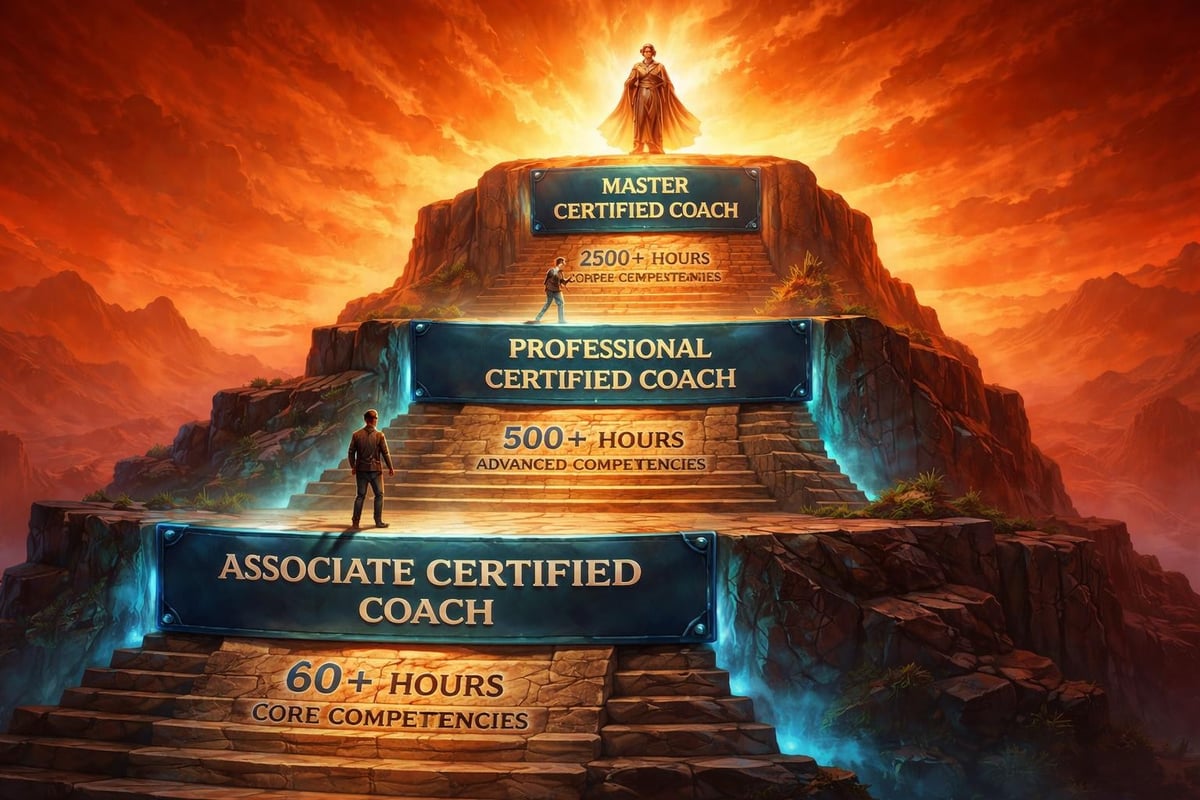
The ICF certification structure includes three primary designations: Associate Certified Coach (ACC) requiring 100 coaching hours, Professional Certified Coach (PCC) requiring 500 hours, and Master Certified Coach (MCC) demanding 2,500 hours. Each level demonstrates increased expertise and commitment to professional standards.
Building Trust Through Verified Credentials
Clients and corporate partners increasingly scrutinize coaching qualifications before engagement. A certified life coach online brings measurable advantages:
- Enhanced credibility when competing for contracts
- Access to corporate directories and coaching platforms
- Higher perceived value justifying premium pricing
- Demonstrated commitment to ethical practice standards
- Continuing education requirements ensuring current knowledge
Companies evaluating leadership coaching services frequently require proof of recognized certification before considering proposals, making credentials a practical business necessity rather than optional enhancement.
Choosing the Right Online Certification Program
Numerous training organizations offer digital pathways to certification, yet quality varies significantly. Prospective coaches should evaluate programs against specific criteria before investing time and resources.
| Evaluation Factor | What to Look For | Red Flags |
|---|---|---|
| ICF Accreditation | ACTP or ACSTH status | No mention of ICF alignment |
| Training Hours | Minimum 60-125 hours | Less than 40 hours total |
| Mentor Coaching | Included or available | No mentorship component |
| Practical Application | Real client practice required | Purely theoretical instruction |
| Business Development | Marketing and pricing guidance | Focus only on coaching skills |
Comprehensive certification guides emphasize that accredited programs prepare coaches not just for sessions but for sustainable practice development. Programs should address both coaching competencies and the business realities of client acquisition, pricing strategy, and retention.
Digital Delivery and Interactive Learning
The shift to online training accelerated dramatically in recent years, with programs now offering sophisticated virtual environments. Effective eCoaching platforms provide breakout rooms for practice sessions, recorded demonstrations for review, and asynchronous modules accommodating diverse schedules.
A certified life coach online benefits from training that mirrors the digital delivery model they will ultimately use with clients. Programs incorporating live video coaching practice, digital whiteboards, and collaboration tools prepare practitioners for the technical realities of modern coaching engagements.
Specialization Niches Within Online Life Coaching
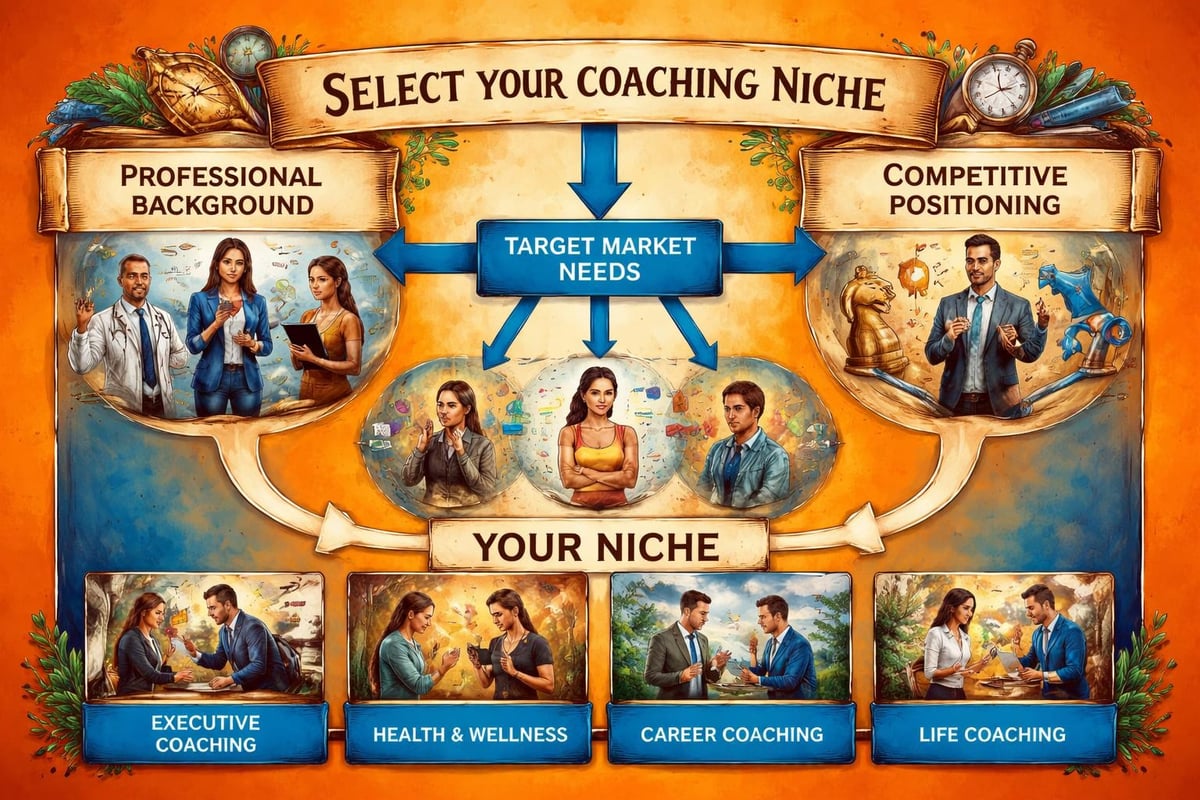
Generic coaching approaches rarely generate sustainable business models. Successful practitioners identify specific audiences and develop targeted expertise serving distinct needs.
Consider these high-demand specializations:
- Executive and Leadership Coaching – Supporting managers and executives developing strategic thinking, decision-making capabilities, and team leadership skills
- Career Transition Coaching – Guiding professionals through role changes, industry pivots, or entrepreneurial launches
- Faith-Based Coaching – Integrating spiritual principles, as seen in Christian life coach certifications, for clients seeking alignment with religious values
- Sales and Performance Coaching – Focusing on revenue generation, client relationships, and measurable business outcomes
- Team Dynamics and Communication – Addressing collaboration challenges, conflict resolution, and organizational effectiveness
Organizations partnering with Noomii access coaches spanning these specializations, ensuring alignment between corporate challenges and practitioner expertise. The coach directory demonstrates how niche positioning attracts ideal clients versus attempting to serve everyone.
Building Your Online Coaching Practice After Certification
Earning credentials represents the foundation rather than the destination. Converting certification into sustainable revenue requires strategic positioning, professional infrastructure, and consistent client acquisition.
Establishing Digital Infrastructure
Professional presence begins with foundational digital assets. Authoritative landing page templates designed specifically for coaching professionals provide structured frameworks communicating value propositions, testimonials, and clear calls to action.
Essential technology components include:
- Video conferencing platform with recording capabilities
- Scheduling software automating appointment management
- Payment processing for seamless transactions
- Client management system tracking progress and notes
- Life coaching software integrating these functions
Many certified life coach online practitioners underestimate the importance of operational efficiency. Administrative friction discourages potential clients and drains time better invested in service delivery.
Pricing Strategy and Business Models
Determining appropriate rates challenges many newly certified coaches. Life coach pricing research reveals substantial variance based on experience, specialization, and delivery format, with hourly rates ranging from $75 to $500 per session.
Strategic pricing considers multiple dimensions beyond simple hourly calculations. Package structures offering six or twelve-session commitments improve client outcomes through sustained engagement while providing coaches with predictable revenue. Corporate partnerships typically involve monthly retainers or project-based fees tied to specific deliverables and measurable outcomes.
Measuring Impact and Demonstrating ROI
The evolution from certification to sustainable practice requires evidence of client results. Corporate buyers especially demand accountability frameworks proving coaching investments generate measurable returns.
Effective measurement approaches include:
- Pre and post-engagement assessments quantifying progress
- Key performance indicators aligned with business objectives
- Client testimonials documenting specific outcomes
- Retention metrics showing sustained behavior changes
- 360-degree feedback revealing leadership improvement
Organizations exploring leadership development coaching increasingly expect coaches to participate in performance reviews, contribute to talent development planning, and demonstrate clear connections between coaching interventions and business results. Tools like accountability frameworks help structure these measurement systems ensuring both coach and client maintain focus on concrete outcomes rather than subjective impressions.
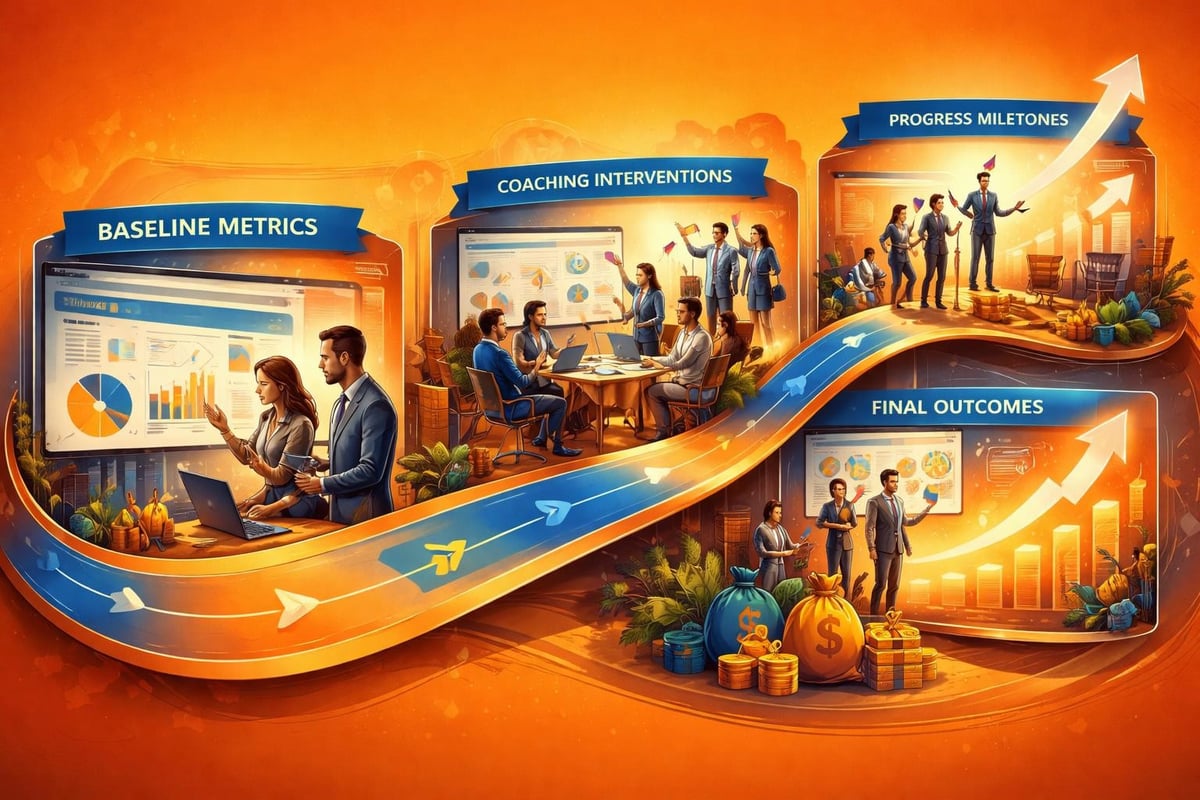
The certified life coach online who embraces measurement rather than resisting it differentiates themselves in competitive markets. Transparency about methodology, progress tracking, and outcome documentation builds trust while providing material for marketing future engagements.
Integration with Corporate Coaching Ecosystems
Individual practitioners and corporate coaching programs serve complementary rather than competing functions. Understanding how certification credentials interface with organizational coaching initiatives reveals partnership opportunities.
Mid-market companies with 25 to 500 employees often lack internal coaching capacity yet recognize the value of developing leadership capabilities across management layers. These organizations benefit from partnerships with certified coaches who bring specialized expertise, external perspectives, and dedicated focus to leadership development initiatives.
The most effective corporate coaching integrates multiple intervention levels:
| Coaching Type | Target Audience | Primary Focus | Typical Duration |
|---|---|---|---|
| Executive Coaching | C-suite and senior leaders | Strategic thinking and organizational leadership | 6-12 months |
| Manager Development | Middle management | Team leadership and tactical execution | 3-6 months |
| Team Facilitation | Cross-functional groups | Collaboration and communication | Project-based |
| Specialized Coaching | Individual contributors | Specific skill development | 3-6 months |
This multi-layered approach creates opportunities for certified life coach online practitioners to engage organizations at various levels, building relationships that expand over time as trust and results accumulate.
The pathway from certification to thriving online coaching practice requires more than completing training hours and earning credentials. Strategic positioning, professional infrastructure, measurement frameworks, and clear specialization distinguish sustainable practices from hobbyist ventures. For organizations seeking practical coaching that delivers measurable business results rather than theoretical frameworks, Noomii connects you with coaches who roll up their sleeves, integrate with your operations, and tie progress to clear KPIs that matter to your business. Whether developing individual leaders or transforming team dynamics, the right coaching partnership accelerates results while maintaining the flexibility and accountability your organization demands.



Leave a Reply
Want to join the discussion?Feel free to contribute!