

Executive Leadership & Communication Courses Copenhagen
Copenhagen has emerged as a European hub for executive development, combining Scandinavian leadership principles with global best practices. Organizations seeking executive leadership and communication courses in Copenhagen face an expanding marketplace of providers, each promising transformative results. The challenge lies not in finding options, but in selecting programs that deliver measurable business impact aligned with organizational objectives. This guide provides evidence-based insights for executives and HR leaders evaluating leadership development investments in Denmark's capital.
Why Copenhagen Attracts Global Leadership Development
The Danish approach to leadership emphasizes transparency, psychological safety, and collaborative decision-making. These principles align with contemporary organizational needs for adaptive, emotionally intelligent leaders who can navigate complexity.
Copenhagen's strategic advantages include:
- Access to Nordic management philosophies proven to drive engagement
- Multilingual programs serving international executive populations
- Proximity to major European business centers
- Strong infrastructure supporting hybrid and in-person learning formats
The city hosts both local Danish institutions and international providers establishing European bases. Gentex Training Center offers structured programs focusing on communication and coordination, scheduled through 2026 for professionals seeking systematic skill development.
The Business Case for Executive Communication Training
Executive communication failures cost organizations millions annually through misaligned strategies, disengaged teams, and leadership turnover. Research demonstrates that leaders spend approximately 80% of their time communicating, yet most receive minimal formal training in this critical competency.
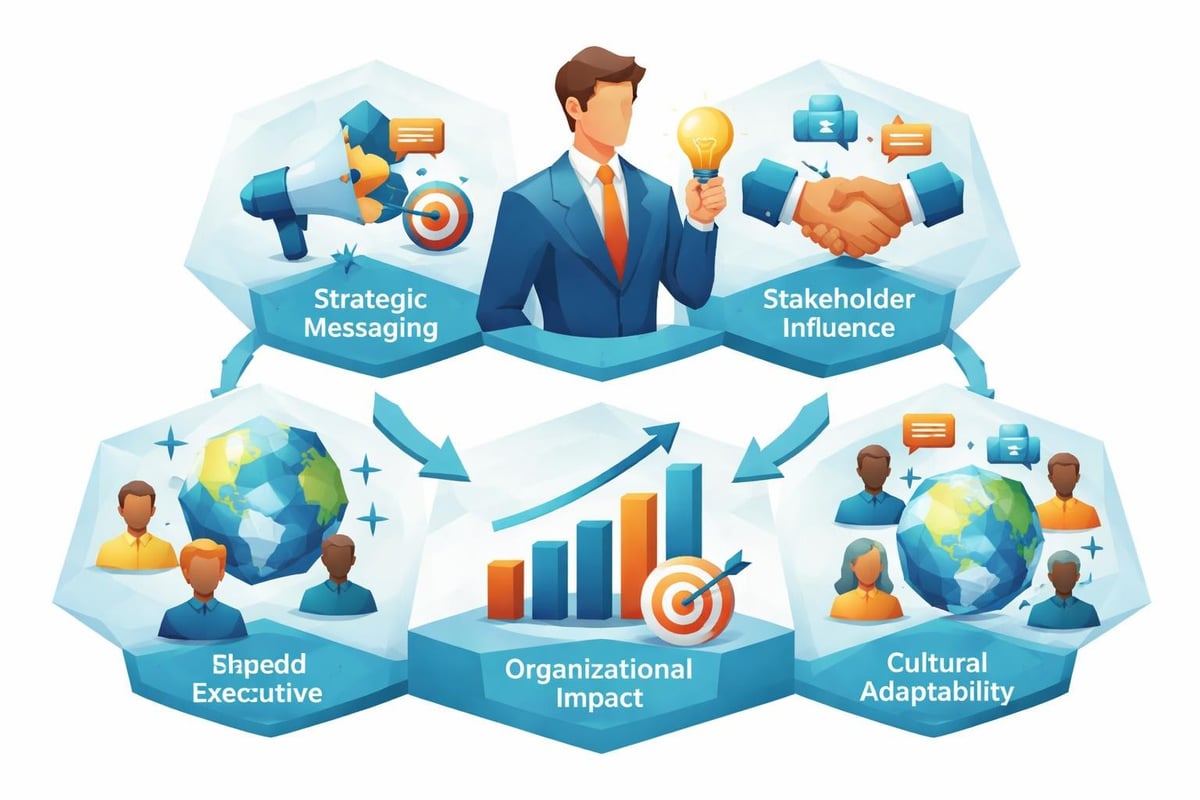
Programs addressing executive leadership and communication courses in Copenhagen typically target three performance areas:
- Strategic messaging that aligns teams around organizational vision
- Stakeholder influence techniques for board presentations and investor relations
- Cultural adaptability for leading diverse, international teams
Organizations measuring ROI from communication training report improvements in meeting efficiency, decision velocity, and employee engagement scores within six months of implementation.
Comparing Copenhagen's Leadership Development Landscape
The market for executive leadership and communication courses in Copenhagen divides into four primary categories, each serving distinct organizational needs.
| Provider Type | Typical Duration | Investment Range | Best For |
|---|---|---|---|
| University Programs | 3-12 months | €8,000-€25,000 | Academic credentials, theoretical frameworks |
| Corporate Training Firms | 2-5 days | €2,500-€8,000 | Rapid skill development, team cohorts |
| Executive Coaching Platforms | 3-9 months | €5,000-€18,000 | Personalized development, behavioral change |
| Boutique Consultancies | Customized | €10,000-€50,000 | Industry-specific challenges, C-suite focus |
Harvard Professional Development delivers globally recognized programs that can be accessed from Copenhagen, combining prestigious branding with practical communication frameworks. Meanwhile, the University of Copenhagen provides locally contextualized programs with deep understanding of Nordic business culture.
Evaluating Program Quality and Relevance
Not all executive development delivers equivalent value. Organizations should assess programs against specific criteria before committing resources.
Critical evaluation factors:
- Evidence-based curriculum design grounded in leadership research, not motivational theory
- Instructor credentials including real executive experience, not just academic qualifications
- Measurable learning objectives with pre- and post-assessment protocols
- Application frameworks that translate concepts into workplace implementation
- Alumni outcomes demonstrating career progression and organizational impact
The most effective programs integrate assessment diagnostics that identify individual leadership gaps before training begins. This precision approach ensures development resources address actual performance barriers rather than generic skill categories.
For organizations seeking leadership coaching services, matching executives with coaches who possess relevant industry experience and specialized expertise delivers superior outcomes compared to generic training cohorts.
Structured Versus Customized Learning Approaches
Executive leadership and communication courses in Copenhagen range from standardized curricula serving broad audiences to tailored interventions addressing specific organizational challenges.
Structured programs offer predictability and peer learning opportunities. Participants benefit from diverse perspectives while working through established frameworks. Mannaz provides comprehensive communication courses combining theoretical foundations with practical application, suitable for mid-level to senior leaders.
Customized interventions address unique organizational contexts: merger integration communication, crisis leadership messaging, or board-level presentation skills. These programs require deeper discovery phases but deliver higher precision impact.
The Coaching Integration Advantage
Leading organizations increasingly combine executive leadership and communication courses in Copenhagen with individual coaching support. This blended approach addresses knowledge gaps through structured learning while coaching tackles behavioral patterns and personal leadership styles.
Research indicates that training combined with coaching produces 88% improvement in leadership effectiveness, compared to 22% from training alone. The coaching component provides accountability, personalized feedback, and sustained behavior change support.
Organizations leveraging platforms that offer leadership development coaching gain access to global coach networks with specialized expertise matching specific development needs. This scalability allows organizations to support multiple executives simultaneously while maintaining personalization.

Addressing Toxic Leadership Through Targeted Development
Copenhagen's progressive business culture demands leaders who foster psychological safety and inclusive environments. Yet toxic leadership patterns persist across industries, creating engagement crises and talent retention challenges.
Common toxic patterns requiring intervention:
- Micromanagement behaviors that undermine team autonomy
- Communication styles creating fear-based cultures
- Decision-making approaches excluding diverse perspectives
- Feedback avoidance resulting in performance ambiguity
Effective programs diagnosing and addressing these patterns combine behavioral assessment, targeted skill development, and ongoing accountability structures. Simply attending a workshop rarely produces lasting change without systematic intervention design.
Organizations dealing with toxic leader situations benefit from coaching programs that address root behavioral patterns while building organizational systems preventing future leadership failures. This requires specialized coach expertise beyond general communication training.
Building Psychological Safety Through Leader Communication
Google's Project Aristotle research definitively established psychological safety as the foundation of high-performing teams. Leaders create or destroy this safety primarily through communication patterns.
Wiser Leadership offers interactive workshops specifically targeting leader communication training with emphasis on creating environments where team members feel safe contributing ideas and acknowledging mistakes.
Communication practices building psychological safety:
- Asking questions demonstrating genuine curiosity rather than testing knowledge
- Acknowledging uncertainty and mistakes with appropriate transparency
- Responding to challenges with learning orientation rather than blame
- Ensuring balanced participation during team discussions
Programs teaching these competencies require practice-based learning with feedback, not lecture-based information transfer. Executives need observation of their actual communication patterns and guided improvement of specific behaviors.
Understanding psychological safety in the workplace provides essential context for executives developing communication approaches that drive team performance rather than compliance-based output.
The Global Perspective on Copenhagen Programs
International executives considering executive leadership and communication courses in Copenhagen evaluate how programs translate across cultural contexts. Denmark's flat organizational hierarchies and direct communication norms differ significantly from many corporate cultures.
Programs with global applicability teach cultural intelligence alongside communication techniques. Executives learn to adapt messaging for hierarchical versus egalitarian cultures, high-context versus low-context communication preferences, and varying decision-making protocols.
Berkeley Executive Education delivers leadership communications programs incorporating global perspectives, useful for executives operating across multiple markets from Copenhagen headquarters.
Technology Integration in Modern Leadership Development
Contemporary executive development increasingly incorporates AI tools, video analysis platforms, and virtual reality simulations. These technologies enable practice scenarios impossible in traditional classroom settings.
Advanced programs provide:
- Speech analysis software measuring clarity, pace, and filler word usage
- Video feedback systems allowing executives to observe nonverbal communication patterns
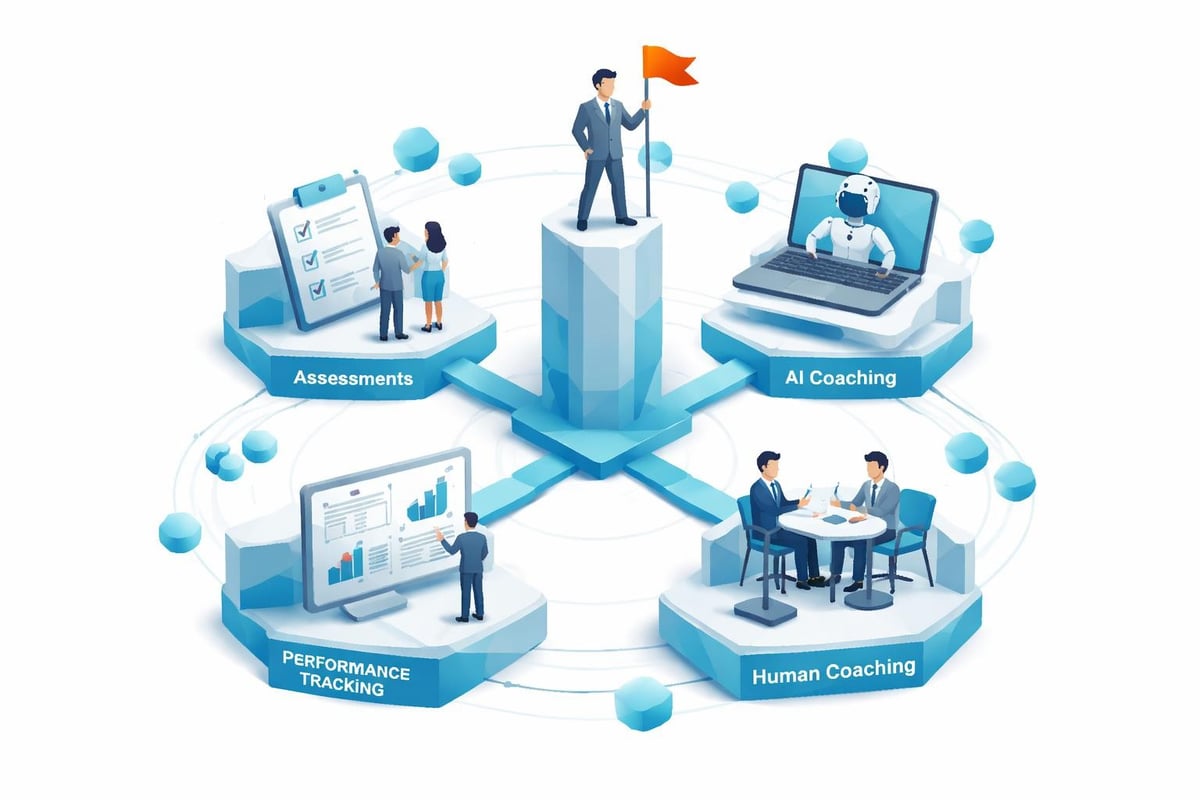
- AI-powered coaching assistants offering between-session support and reinforcement
- Virtual reality simulations practicing high-stakes communication scenarios
Organizations should verify that technology enhances learning rather than replacing essential human coaching and feedback. The most effective platforms use technology to scale personalized development, not to eliminate the human element.
Measuring ROI From Leadership Development Investments
Executive leadership and communication courses in Copenhagen represent significant financial and time investments. Organizations demand measurable returns demonstrating business impact beyond participant satisfaction scores.
Meaningful ROI metrics include:
- Engagement score improvements in teams led by program participants
- Retention rates for high-potential talent under trained leaders
- Decision velocity measured through project cycle time reductions
- Communication efficiency tracked via meeting time requirements
- Strategic alignment assessed through employee understanding of organizational priorities
Leading organizations establish baseline measurements before development initiatives, then track improvements quarterly for 12-18 months post-program. This disciplined approach separates effective programs from expensive time expenditures.
The Noomii Corporate Leadership Program incorporates defined KPIs and cultural health indicators, enabling organizations to demonstrate tangible improvement through data-driven insights. This measurement discipline differentiates professional development from feel-good training events.
Long-Term Development Versus Quick Fixes
Sustainable leadership transformation requires 6-12 months of consistent development activity, not two-day workshops. Organizations seeking lasting behavioral change should budget for extended engagement rather than episodic training events.
Effective long-term programs include:
- Initial diagnostic assessment identifying specific development areas
- Structured learning modules building foundational knowledge
- Individual coaching sessions applying concepts to real challenges
- Peer learning cohorts providing diverse perspectives and accountability
- Follow-up assessments measuring progress and adjusting approaches
This comprehensive approach requires greater initial investment but produces exponentially higher returns through sustained behavior change and organizational culture improvement. RelationsPeople emphasizes structured leadership communication approaches for setting clear strategic direction, recognizing that lasting impact requires systematic development.
Selecting the Right Provider for Your Organization
Organizations evaluating executive leadership and communication courses in Copenhagen should align provider selection with specific organizational challenges rather than choosing based on brand recognition or convenience.
| Selection Criteria | Questions to Ask | Red Flags |
|---|---|---|
| Needs Assessment | Does the provider conduct diagnostic work before proposing solutions? | Standardized proposals without discovery phase |
| Coach Quality | What are instructor credentials and practical experience? | Academic-only backgrounds without executive experience |
| Customization | How does curriculum adapt to our industry and culture? | One-size-fits-all programs |
| Measurement | What metrics track program effectiveness? | Reliance on satisfaction surveys only |
| Scalability | Can the program grow with organizational needs? | Limited coach networks or rigid formats |
Organizations should request case studies demonstrating measurable impact in similar industries and company sizes. Generic testimonials provide limited decision value compared to specific outcome data.
The most sophisticated organizations use platforms offering coach directory access, enabling them to match executives with coaches possessing precise expertise for their development needs rather than accepting whoever the training firm assigns.
Government and Regulatory Compliance Considerations
Public sector organizations and highly regulated industries require leadership development providers who understand compliance frameworks and governance standards. Not all executive leadership and communication courses in Copenhagen incorporate these critical dimensions.
Compliance-focused programs should address:
- Ethical decision-making frameworks aligned with regulatory requirements
- Communication protocols for sensitive information and public accountability
- Stakeholder engagement approaches meeting transparency standards
- Documentation practices supporting audit and review processes
Providers serving government agencies must demonstrate security clearances, data protection protocols, and understanding of public sector constraints that private sector programs may overlook.
Organizations can explore proven solutions through platforms like Noomii Leadership Coaching, which offers compliance and governance alignment ensuring leadership development initiatives meet organizational, regulatory, and ethical standards while delivering measurable results.
The Copenhagen Advantage for Nordic and European Leaders
Leaders operating across Nordic and European markets find executive leadership and communication courses in Copenhagen particularly valuable due to the city's position bridging Scandinavian and continental business cultures.
Programs based in Copenhagen typically incorporate:
- Nordic management principles emphasizing flat hierarchies and consensus building
- European market context addressing cross-border leadership challenges
- Multilingual facilitation supporting diverse executive populations
- Sustainability frameworks reflecting Danish priorities increasingly relevant globally
This regional expertise provides context that generic international programs often lack. Executives gain frameworks immediately applicable to their specific market challenges rather than requiring translation from American or Asian business contexts.
For organizations establishing European operations or expanding within Nordic markets, local Copenhagen programs offer cultural intelligence advantages accelerating leadership effectiveness. The combination of global best practices with regional specificity creates powerful development experiences driving immediate business application.
Understanding how accountability structures support leadership development can further enhance program effectiveness, as explored in resources like AccountabilityNow, which emphasizes structured approaches to maintaining progress beyond initial training interventions.
Executive leadership and communication courses in Copenhagen offer diverse options for organizations committed to developing adaptive, influential leaders. Success requires moving beyond generic training selection toward precision matching of development approaches with specific organizational challenges and measurable business objectives. The Noomii Corporate Leadership Program delivers evidence-based diagnostics, precision coach matching, and scalable solutions that transform leadership challenges into measurable organizational improvements through tailored coaching aligned with your strategic priorities.



Leave a Reply
Want to join the discussion?Feel free to contribute!