
Leadership Coaching for Senior Professionals in Delhi
Delhi's corporate landscape demands exceptional leadership at every level, particularly among senior professionals navigating complex organizational challenges in 2026. As India's capital continues to solidify its position as a global business hub, executives face unprecedented pressure to balance strategic vision with operational excellence while maintaining team engagement and driving sustainable growth. Leadership coaching for senior professionals in Delhi has emerged as a critical investment for organizations seeking to enhance executive performance, address leadership gaps, and build resilient cultures capable of thriving in uncertain markets.
The Unique Leadership Challenges Facing Delhi's Senior Executives
Senior professionals in Delhi operate within a distinctive business environment characterized by rapid digital transformation, evolving regulatory frameworks, and increasingly diverse workforce expectations. These leaders must navigate multinational corporate structures while remaining sensitive to local market dynamics and cultural nuances.
The pressure on C-suite executives and senior managers has intensified significantly. They face expectations to deliver quarterly results while simultaneously building long-term strategic capabilities. Many struggle with delegation, finding themselves trapped in operational details rather than focusing on strategic initiatives that drive competitive advantage.
Common leadership obstacles include:
- Balancing traditional hierarchical management styles with modern collaborative approaches
- Managing multigenerational teams with vastly different expectations and communication preferences
- Navigating political complexities within large organizational structures
- Making high-stakes decisions with incomplete information under tight timelines
- Maintaining personal well-being while managing intense professional demands
Leadership coaching for senior professionals in Delhi addresses these challenges through personalized interventions designed to enhance decision-making capabilities, strengthen emotional intelligence, and develop adaptive leadership styles. The benefits of leadership coaching extend beyond individual performance improvements to create measurable organizational impact.
Evidence-Based Diagnostics: The Foundation of Effective Leadership Development
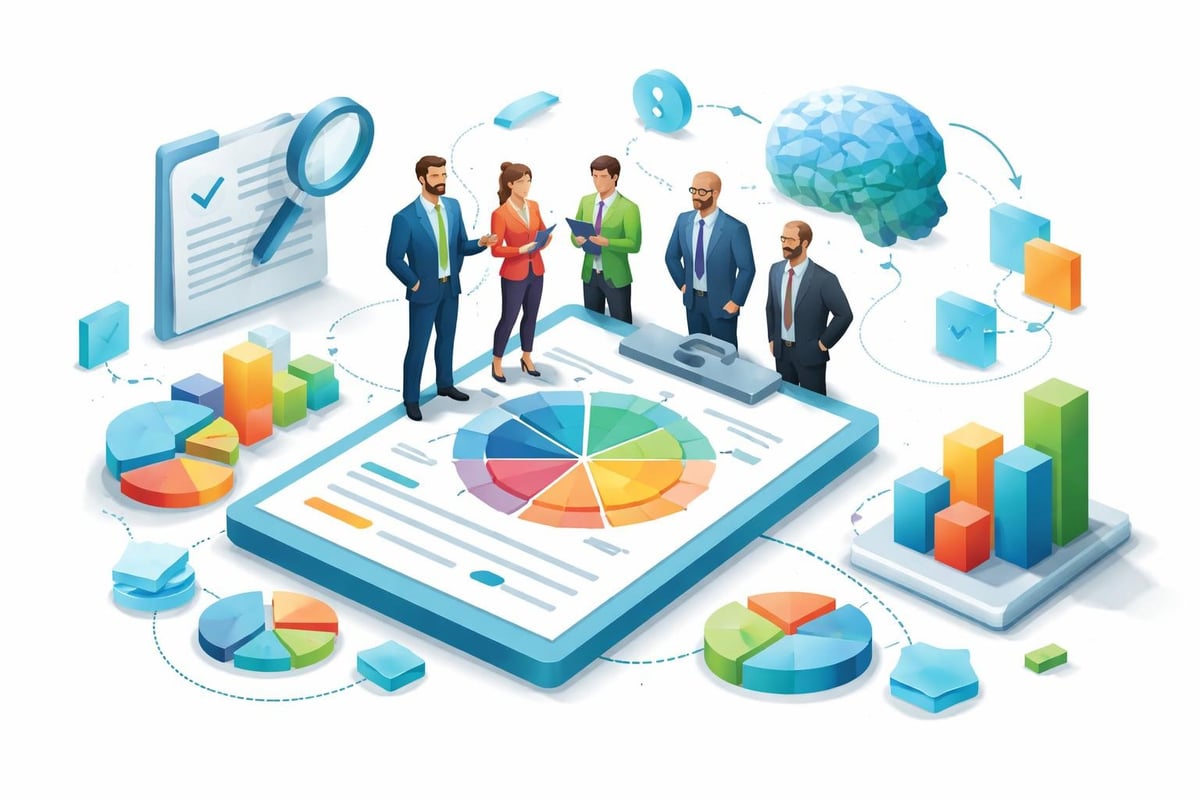
Effective leadership coaching begins with accurate assessment. Senior professionals benefit from comprehensive diagnostics that identify specific strengths, blind spots, and behavioral patterns affecting their leadership effectiveness.
Advanced assessment tools measure multiple dimensions of leadership capability, including emotional intelligence, strategic thinking capacity, communication effectiveness, and decision-making patterns. These validated instruments provide objective data that moves beyond subjective perceptions to reveal underlying dynamics influencing leadership performance.
Key Assessment Dimensions
| Assessment Area | What It Measures | Leadership Impact |
|---|---|---|
| Emotional Intelligence | Self-awareness, empathy, relationship management | Team engagement, conflict resolution |
| Strategic Thinking | Pattern recognition, systems analysis, long-term planning | Competitive positioning, innovation |
| Decision-Making Style | Risk tolerance, analytical approach, speed vs. accuracy | Organizational agility, execution quality |
| Communication Effectiveness | Clarity, influence, listening capacity | Team alignment, change management |
| Resilience & Adaptability | Stress management, learning agility, flexibility | Crisis leadership, transformation success |
The diagnostic phase establishes baseline metrics against which progress can be measured. This data-driven approach ensures that coaching interventions target the most critical development areas rather than pursuing generic leadership development goals.
For senior professionals in Delhi's competitive market, these assessments provide clarity about how their leadership approach compares to global best practices while accounting for regional business context. Understanding executive coaching packages helps organizations select assessment frameworks aligned with their specific development objectives.
Precision Coach Matching: Aligning Expertise with Executive Needs
The quality of the coaching relationship determines program success. Senior professionals require coaches who understand their industry context, appreciate the complexity of their challenges, and possess relevant experience navigating similar leadership transitions.
Generic coach assignment undermines coaching effectiveness. An executive facing strategic transformation challenges needs fundamentally different expertise than a leader addressing team dynamics or personal leadership presence issues.
Critical matching criteria include:
- Industry sector experience and business acumen
- Specialized expertise in relevant leadership challenges
- Cultural competency and regional market understanding
- Coaching methodology and philosophical alignment
- Track record with similar executive profiles
Advanced matching algorithms consider dozens of variables to identify coaches whose expertise, experience, and approach align with the senior professional's specific development needs. This precision matching significantly increases engagement and accelerates results.
The Noomii coaching platform employs proprietary technology to match senior executives with certified coaches who have demonstrated success addressing similar leadership challenges. This systematic approach eliminates the guesswork traditionally associated with coach selection.
Delhi-based executives particularly benefit from coaches who understand the unique dynamics of India's business environment while bringing global perspectives. This combination enables senior professionals to develop leadership capabilities that translate effectively across both domestic and international operations.
Targeted Interventions: Addressing Toxic Behaviors and Performance Gaps
Leadership coaching for senior professionals in Delhi must address specific behavioral patterns undermining organizational effectiveness. Many executives display leadership approaches that once drove their success but now create obstacles as they advance to more senior roles.

Common Intervention Focus Areas
Senior professionals frequently require coaching support in several critical areas. Micromanagement behaviors represent one of the most prevalent challenges, with executives struggling to delegate effectively despite intellectual understanding of its importance. Coaching helps leaders develop trust in their teams and establish appropriate oversight mechanisms without stifling autonomy.
Communication breakdowns across organizational levels create significant friction. Many senior professionals excel at strategic thinking but struggle to translate complex concepts into clear, actionable guidance for their teams. Targeted coaching interventions strengthen message clarity, influence skills, and active listening capabilities.
Resistance to feedback often intensifies as professionals advance. Senior leaders may become isolated from honest input, surrounded by team members reluctant to challenge their perspectives. Coaching creates a safe environment for receiving candid feedback and developing openness to alternative viewpoints.
The impact of toxic leadership patterns extends throughout organizations, eroding engagement, driving talent attrition, and undermining performance. Coaching interventions specifically designed to address toxic behaviors help senior professionals recognize their impact and develop healthier leadership approaches.
Intervention plans incorporate specific behavioral goals, accountability mechanisms, and practice opportunities. Rather than abstract discussions about leadership philosophy, effective coaching emphasizes concrete behavioral changes observable by colleagues and teams.
| Toxic Behavior | Root Cause | Coaching Intervention | Measurable Outcome |
|---|---|---|---|
| Micromanagement | Trust deficit, perfectionism | Delegation frameworks, control awareness | Team autonomy metrics, decision velocity |
| Poor listening | Time pressure, ego protection | Active listening techniques, inquiry skills | 360 feedback scores, team input frequency |
| Blame culture | Insecurity, accountability avoidance | Ownership modeling, psychological safety building | Error reporting rates, team innovation |
| Favoritism | Unconscious bias, comfort zones | Equity frameworks, blind spot awareness | Inclusion metrics, promotion equity |
These interventions require sustained effort and accountability. Leadership coaching for senior professionals in Delhi typically spans six to twelve months, providing sufficient time for new behaviors to become established patterns rather than temporary adjustments.
Building Strategic Decision-Making Capacity
Senior professionals face increasingly complex decisions with far-reaching consequences. The ability to analyze situations rapidly, consider multiple perspectives, and make confident decisions under uncertainty distinguishes exceptional executives from average performers.
Strategic decision-making coaching helps leaders develop frameworks for approaching complex choices. This includes understanding cognitive biases affecting judgment, balancing analytical rigor with intuitive insight, and managing the emotional dimensions of high-stakes decisions.
Many senior executives struggle with analysis paralysis, seeking perfect information before committing to a course of action. Others make impulsive decisions based on pattern recognition without adequate consideration of contextual differences. Coaching helps leaders calibrate their decision-making approach to match situation requirements.
Decision-making development focuses on:
- Identifying personal decision-making tendencies and biases
- Developing frameworks for categorizing decision types and appropriate processes
- Strengthening analytical capabilities through structured thinking tools
- Building confidence in making decisions with incomplete information
- Establishing effective processes for soliciting diverse perspectives
- Learning from decision outcomes through structured reflection
The research-backed benefits of coaching demonstrate measurable improvements in decision quality and execution speed. Senior professionals develop greater confidence in their judgment while simultaneously becoming more open to input from others.
Decision-making coaching proves particularly valuable during organizational transitions, market disruptions, or strategic pivots when traditional playbooks no longer apply. Executives learn to navigate ambiguity while maintaining team confidence and organizational momentum.
Enhancing Executive Presence and Influence
Senior professionals must inspire confidence, build coalitions, and drive alignment across diverse stakeholder groups. Executive presence encompasses how leaders show up in high-pressure situations, communicate vision, and influence others without relying solely on positional authority.
Many technically brilliant executives plateau in their careers due to limitations in executive presence. They possess strategic insight and business acumen but struggle to command rooms, inspire teams, or navigate political dynamics effectively.
Leadership coaching develops presence through multiple dimensions. Physical presence involves body language, voice modulation, and energy management. Emotional presence requires authentic connection, empathy demonstration, and appropriate vulnerability. Intellectual presence encompasses the ability to articulate complex ideas clearly and respond to challenges with composure.
Influence development extends beyond presentation skills to include stakeholder mapping, political awareness, and coalition building. Senior professionals learn to navigate organizational dynamics, build support for initiatives, and manage opposition constructively.
For executives in Delhi's competitive corporate environment, enhanced presence often determines who advances to the most senior roles. Organizations increasingly recognize that leadership coaching services delivering measurable presence improvements create competitive advantages in talent development and succession planning.
Developing Emotional Intelligence for Leadership Excellence
Emotional intelligence represents one of the most critical competencies for senior leadership effectiveness. The ability to recognize and regulate one's emotions while accurately reading and influencing others' emotional states determines success in managing complex human dynamics.

Research consistently demonstrates that emotional intelligence predicts leadership success more reliably than technical skills or cognitive intelligence alone. Yet many senior professionals reach executive levels with underdeveloped emotional capabilities, relying instead on analytical prowess and domain expertise.
The Four Pillars of Emotional Intelligence Development
Self-awareness forms the foundation. Senior professionals learn to identify their emotional patterns, recognize triggers, and understand how their emotional states affect decision-making and interactions. This awareness enables leaders to choose responses rather than react automatically to challenging situations.
Self-regulation builds on awareness. Leaders develop techniques for managing stress, controlling impulsive reactions, and maintaining composure during crises. This capability proves essential when teams look to senior leaders for stability during turbulent periods.
Social awareness involves accurately reading others' emotional states and understanding group dynamics. Senior professionals strengthen their empathy, political awareness, and cultural sensitivity, enabling more effective navigation of complex interpersonal situations.
Relationship management represents the culminating capability. Leaders learn to inspire, influence, develop others, and manage conflict constructively. These skills transform individual awareness into organizational impact.
Leadership coaching for senior professionals in Delhi frequently emphasizes emotional intelligence development because of its multiplicative effect on other leadership capabilities. Enhanced emotional intelligence improves strategic thinking, decision-making, communication, and virtually every other leadership dimension.
The importance of honest reflection and self-awareness cannot be overstated in leadership development. Coaches create safe environments where senior professionals can explore their emotional patterns without judgment and experiment with new approaches.
Measuring Coaching Impact: KPIs and ROI Metrics
Organizations investing in leadership coaching for senior professionals in Delhi rightfully expect measurable returns. Effective coaching programs establish clear metrics at the outset and track progress systematically throughout the engagement.
Leading indicators provide early signals of coaching effectiveness:
- Changes in 360-degree feedback scores across leadership competencies
- Improvements in team engagement survey results
- Increased frequency of strategic conversations vs. operational firefighting
- Enhanced quality and speed of decision-making processes
- Reduced escalations and increased team autonomy
Lagging indicators demonstrate ultimate business impact:
- Financial performance improvements in areas under the leader's responsibility
- Talent retention rates within the leader's organization
- Successful execution of strategic initiatives
- Cultural health improvements measured through organizational assessments
- Succession pipeline strength and internal promotion rates
Sophisticated coaching programs employ multiple measurement approaches. Quantitative metrics provide objective data about behavioral changes and business outcomes. Qualitative feedback from stakeholders offers rich context about the nature and significance of observed changes.
| Measurement Approach | What It Captures | Frequency | Stakeholders Involved |
|---|---|---|---|
| 360 Assessments | Leadership competency changes | Start, midpoint, end | Direct reports, peers, manager |
| Goal Progress Reviews | Specific objective achievement | Monthly | Coach, leader, sponsor |
| Team Engagement Surveys | Team climate and morale shifts | Quarterly | Team members |
| Business Performance Metrics | Financial and operational results | Ongoing | Organization leadership |
| Stakeholder Interviews | Qualitative impact observations | Midpoint, end | Key stakeholders |
Understanding how much business coaching costs helps organizations evaluate ROI expectations. When senior professional coaching delivers measurable improvements in decision quality, team performance, and strategic execution, the return typically exceeds investment by substantial margins.
The accountability framework established through coaching extends beyond the formal engagement. Senior professionals develop ongoing practices for self-assessment, feedback solicitation, and continuous development that sustain improvements long after coaching concludes.
Scaling Leadership Development Across Organizations
While individual coaching delivers powerful results for specific senior professionals, organizations increasingly seek scalable approaches that elevate leadership capabilities across entire executive teams and high-potential populations.
Scalable leadership development maintains coaching's personalized nature while creating consistent frameworks, shared language, and aligned approaches across leadership populations. This approach generates network effects where multiple leaders simultaneously developing similar capabilities accelerate organizational transformation.
Scalable program elements include:
- Cohort-based coaching with individual and group components
- Common assessment frameworks enabling cross-leader comparisons
- Shared development themes aligned with organizational priorities
- Collaborative learning sessions where leaders share insights and practices
- Integration with existing leadership development and talent management systems
Organizations implementing leadership coaching for senior professionals in Delhi at scale report accelerated culture change, improved strategic alignment, and enhanced bench strength for succession planning. When multiple senior leaders simultaneously develop capabilities, organizational capacity for complex change increases dramatically.
The executive leadership coaching approach emphasizes both individual transformation and collective capability building. Leaders not only improve their own effectiveness but also learn to develop leadership capabilities in others, creating multiplier effects throughout organizations.
Government agencies and Fortune 500 companies particularly benefit from scalable approaches. These organizations require consistent leadership standards across diverse units while respecting the unique contexts in which different leaders operate. Properly designed scaled programs achieve both consistency and customization.
Integration with Organizational Development Initiatives
Leadership coaching delivers maximum impact when integrated with broader organizational development efforts rather than implemented as an isolated intervention. Senior professionals operate within systems that either reinforce or undermine their development efforts.
Effective integration connects leadership coaching with talent management processes, succession planning frameworks, performance management systems, and culture change initiatives. This alignment ensures that behaviors developed through coaching receive organizational reinforcement and support.
Critical integration points include:
- Performance management alignment: Coaching goals connect directly to performance objectives and competency frameworks
- Succession planning linkage: Coaching addresses specific readiness gaps for advancement
- Culture initiatives: Leadership behaviors developed through coaching model desired cultural attributes
- Team development: Individual coaching complements team coaching and development efforts
- Strategic planning: Leadership capabilities align with strategic priorities and organizational direction
Organizations increasingly recognize that psychological safety in the workplace requires senior leader modeling. When executives develop through coaching the behaviors that create psychological safety, entire organizations benefit from increased innovation, improved learning, and enhanced performance.
The integration of leadership coaching for senior professionals in Delhi with compliance and governance frameworks proves particularly important for regulated industries and government agencies. Coaching interventions must align with ethical standards, regulatory requirements, and organizational policies while driving performance improvements.
External resources such as step-by-step guides for selecting executive coaches help organizations design integrated approaches that maximize coaching effectiveness within their specific contexts.
Cultural Considerations for Delhi's Business Environment
Senior professionals in Delhi operate within unique cultural dynamics that influence leadership effectiveness. Successful coaching acknowledges these cultural factors while helping leaders develop globally relevant capabilities.
India's business culture traditionally emphasizes hierarchical relationships, respect for seniority, and indirect communication patterns. These cultural elements shape how leaders interact with teams, make decisions, and navigate organizational politics. Effective leadership coaching helps senior professionals honor cultural strengths while developing adaptive capabilities for diverse contexts.
Many Delhi-based organizations operate as part of multinational corporations requiring leaders to bridge cultural expectations. Senior professionals must demonstrate leadership approaches that satisfy both global corporate standards and local cultural norms. This cultural agility represents a critical capability for advancement.
Cultural competency development addresses:
- Balancing directive leadership with participative approaches
- Adapting communication styles across cultural contexts
- Managing multigenerational expectations in rapidly changing environments
- Navigating family business dynamics in professionally managed organizations
- Building inclusive environments that leverage diversity
Leadership coaching for senior professionals in Delhi delivered by culturally competent coaches provides critical advantages. These coaches understand the specific challenges Delhi executives face while bringing global best practices and frameworks that enhance leadership effectiveness.
The benefits of coaching for managers and executives prove universal across cultures, yet implementation approaches must respect cultural context. Skilled coaches adapt methodologies without compromising evidence-based practices or measurable outcomes.
Navigating Digital Transformation and Technology Leadership
Senior professionals in 2026 face unprecedented digital transformation demands. Organizations expect executives to drive technological adoption, lead digital initiatives, and build digitally capable cultures regardless of their technical backgrounds.
Many senior leaders advanced through traditional business capabilities and now find themselves responsible for leading organizations through fundamental digital reinvention. This creates anxiety, skill gaps, and resistance that coaching specifically addresses.
Digital leadership coaching helps senior professionals develop the mindset, capabilities, and confidence required to lead in technology-driven environments. This doesn't require executives to become technical experts but rather to understand digital possibilities, ask informed questions, and make strategic technology decisions.
Digital leadership development includes:
- Building sufficient technical literacy to engage meaningfully in technology discussions
- Understanding digital business models and their implications
- Leading agile and iterative approaches rather than traditional waterfall planning
- Managing remote and distributed teams through digital collaboration tools
- Driving organizational change required for digital transformation success
- Developing data literacy for evidence-based decision-making
The acceleration of digital transformation in Delhi's corporate sector makes these capabilities essential for senior professional success. Organizations increasingly evaluate executives based on their ability to drive digital initiatives and build technology-enabled capabilities.
Leadership coaching addressing digital transformation challenges helps senior professionals overcome impostor syndrome, develop strategic technology perspectives, and lead with confidence despite technical knowledge gaps. The focus remains on leadership behaviors and strategic capabilities rather than technical skills.
Building Resilience and Sustainable Performance
The intensity of senior leadership roles creates significant personal costs. Many executives experience chronic stress, work-life imbalance, and burnout that ultimately undermine their effectiveness and well-being.
Leadership coaching for senior professionals in Delhi increasingly addresses resilience development and sustainable performance practices. This recognizes that leadership excellence requires not just skill development but also the capacity to maintain high performance over extended periods.
Resilience coaching helps senior professionals develop practices for managing stress, maintaining perspective during crises, and recovering from setbacks. These capabilities prove essential in volatile, uncertain, complex, and ambiguous business environments.
Resilience development encompasses:
- Stress management techniques and self-care practices
- Boundary setting and priority management
- Building support networks and meaningful relationships
- Developing mindfulness and present-moment awareness
- Reframing challenges as growth opportunities
- Maintaining purpose and meaning in leadership work
Organizations benefit when senior leaders model healthy work practices and sustainable performance approaches. This creates permission for others throughout organizations to maintain balance while pursuing excellence. Research on why more executives are turning to leadership coaching highlights resilience development as a primary driver.
The demanding nature of Delhi's corporate environment makes resilience particularly critical. Senior professionals face long hours, intense competition, and high-stakes decisions while managing complex personal lives. Coaching provides space for developing sustainable approaches that maintain both performance and well-being.
Organizations implementing accountability frameworks can enhance coaching outcomes by establishing regular check-ins and progress reviews. Resources like AccountabilityNow offer additional support for maintaining commitment to development goals between coaching sessions.
Leadership coaching for senior professionals in Delhi transforms individual executives while creating measurable organizational impact through enhanced decision-making, stronger team engagement, and improved strategic execution. The combination of evidence-based diagnostics, precision coach matching, and targeted interventions addresses the unique challenges facing today's senior leaders. Noomii Leadership Coaching delivers comprehensive corporate leadership programs that align individual development with organizational priorities, combining advanced assessments with a global network of certified coaches to help Delhi's senior professionals achieve sustained excellence and drive meaningful business results.



Leave a Reply
Want to join the discussion?Feel free to contribute!