
Best Life Coach Websites: Examples & Design Insights
Finding inspiration from the best life coach websites can transform how you approach online presence, whether you're building a personal coaching practice or seeking corporate coaching solutions. The digital landscape has evolved dramatically, and today's successful coaching websites combine strategic design, clear messaging, and conversion-optimized features that build immediate trust. Understanding what separates exceptional coaching websites from mediocre ones helps organizations identify coaching partners who demonstrate professionalism and accountability from the first click.
What Defines the Best Life Coach Websites
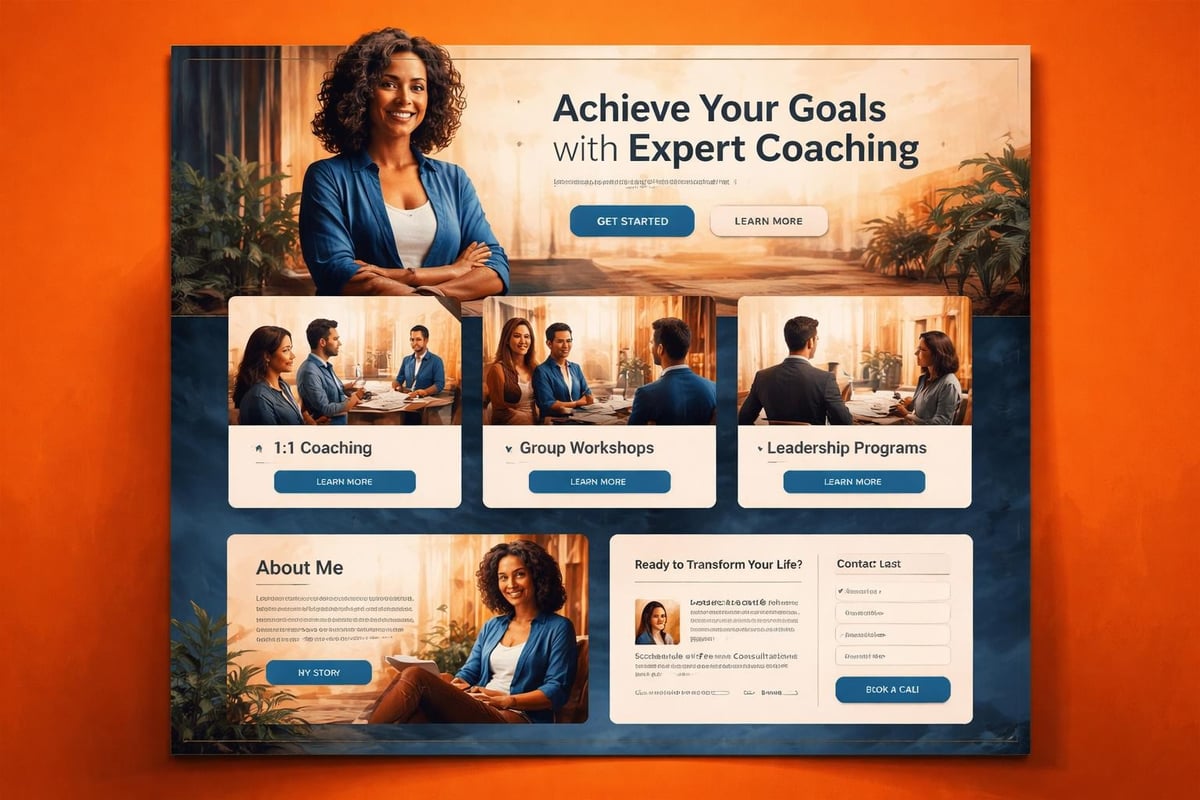
The most effective coaching websites share common characteristics that set them apart from crowded directories and generic templates. Clear value propositions appear above the fold, communicating exactly who the coach serves and what outcomes clients can expect. Navigation remains intuitive, guiding visitors toward booking consultations or learning about specific services without confusion.
Essential Design Elements
Professional coaching websites prioritize user experience through thoughtful design choices. According to comprehensive research on life coach website design, mobile responsiveness stands as a non-negotiable requirement, with over 60% of website traffic now originating from smartphones and tablets.
Key design priorities include:
- Fast loading speeds (under three seconds)
- High-quality professional photography
- Consistent branding across all pages
- Accessible contact information
- Clear calls to action on every page
White space creates breathing room, while strategic color choices evoke emotions aligned with coaching specialties. Life coaches focusing on career transitions might use confident blues and greens, while executive coaches often leverage sophisticated neutrals that convey authority.
Building Trust Through Content and Credentials
Trust signals separate amateur coaching websites from professional operations. The best life coach websites feature detailed "About" sections that tell authentic stories without excessive self-promotion. Client testimonials appear throughout the site, not buried on a single page, and include specific results rather than generic praise.
Credentials and certifications matter, but context matters more. Rather than listing alphabet soup after their names, effective coaches explain what their training means for clients. Expert tips for life coach website design emphasize that social proof extends beyond testimonials to include case studies, media appearances, and thought leadership content.
Content Strategy That Converts
Publishing valuable content demonstrates expertise while improving search visibility. Blog posts addressing common client challenges, video introductions that showcase personality, and downloadable resources all contribute to building authority. For corporate coaching needs, look for providers who publish insights about business coaches for entrepreneurs and demonstrate practical experience through specific examples.
The content should reflect real-world applications rather than theoretical concepts. Organizations researching coaching partnerships benefit from providers who share measurable outcomes, client success stories, and transparent methodologies.
Technical Performance and User Experience
Behind every successful coaching website sits robust technical infrastructure. Page speed directly impacts conversion rates, with each additional second of load time reducing conversions by approximately 7%. Best practices for life coach websites highlight the importance of optimized images, clean code, and reliable hosting.
| Technical Feature | Impact on Conversions | Implementation Priority |
|---|---|---|
| Mobile optimization | 53% of visitors abandon slow mobile sites | Critical |
| SSL certificate | Builds trust, improves SEO | Critical |
| Clear CTAs | Increases inquiry rate by 42% | High |
| Live chat | Boosts engagement by 38% | Medium |
| Video integration | Increases time on site by 88% | Medium |
Security features including SSL certificates reassure visitors that their information remains protected. Contact forms should request only essential information to reduce friction while capturing qualified leads.
Service Presentation and Clarity
The best life coach websites avoid vague promises and focus on specific outcomes. Rather than claiming to "transform your life," effective coaches articulate exactly how they work, what processes they follow, and what clients should expect. Service pages should answer:
- Who is this for? Define the ideal client with precision
- What's included? Outline session structure, duration, and frequency
- What results can I expect? Share realistic, measurable outcomes
- How do we start? Provide clear next steps
- What's the investment? Display transparent pricing when possible
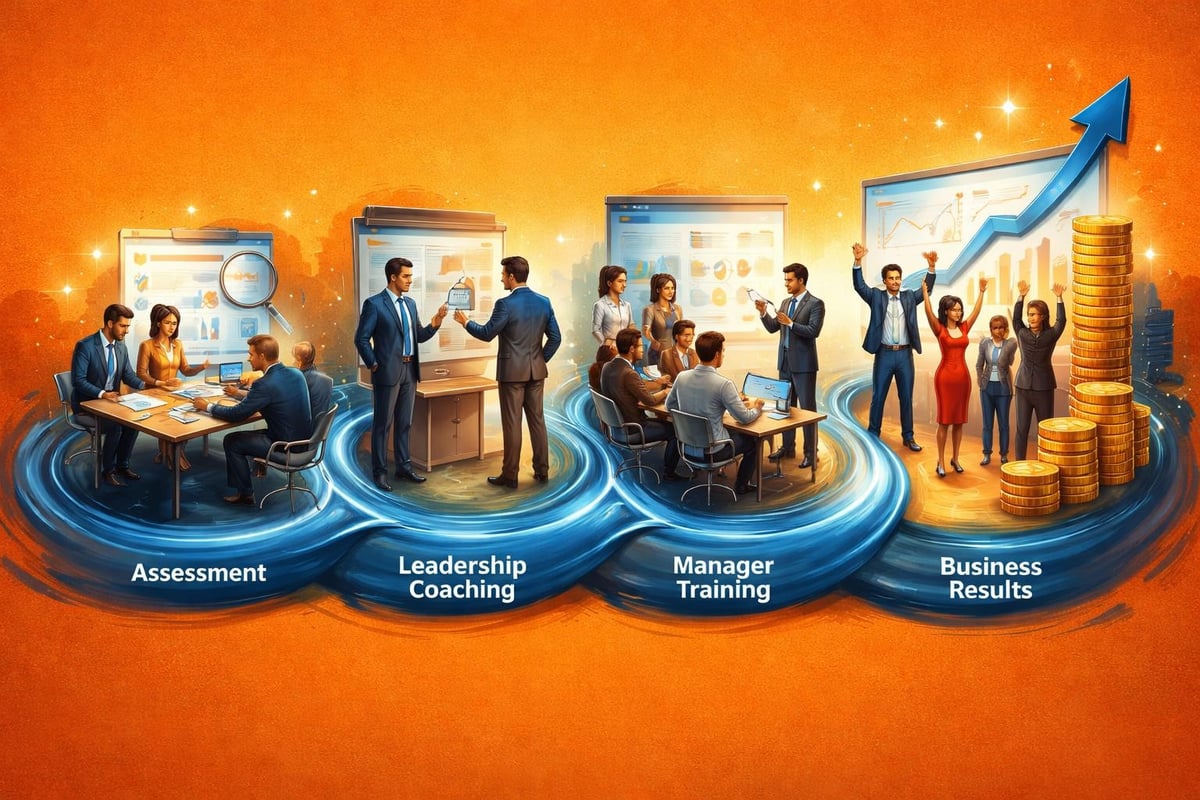
Corporate coaching requires additional specificity around 360 leadership assessments, team facilitation approaches, and how progress ties to business KPIs. Companies evaluating coaching partnerships should prioritize providers who demonstrate accountability through defined metrics rather than abstract personality development goals.
Conversion Optimization Strategies
Strategic placement of contact forms, booking calendars, and consultation requests determines whether visitors become clients. Essential sales and marketing strategies recommend multiple conversion opportunities throughout the site rather than relegating all calls to action to a single contact page.
Effective conversion elements include:
- Prominent "Schedule a Consultation" buttons
- Exit-intent popups offering valuable resources
- Embedded calendar scheduling tools
- Email capture for newsletter subscriptions
- Live chat for immediate questions
A/B testing different call-to-action phrases, button colors, and form placements reveals what resonates with specific audiences. Corporate clients often respond better to professional language like "Request a Consultation" versus casual phrases like "Let's Chat."
Geographic and Specialty Targeting
Successful coaching websites optimize for specific niches and locations. A career coach in Jacksonville, Florida targets different keywords than a life coach in Dubai, and their websites should reflect local market dynamics. Similarly, performance coaches require different messaging than career transition specialists.
Niche focus creates competitive advantages by speaking directly to target audiences rather than attempting to serve everyone. Companies seeking corporate coaching benefit from providers who specialize in their industry challenges rather than generic life coaching approaches. Resources like those at https://accountabilitynow.net/ provide frameworks for accountability-driven coaching that delivers business results.
Analytics and Continuous Improvement
The best life coach websites treat their online presence as living systems requiring ongoing optimization. Website design best practices emphasize implementing Google Analytics, heat mapping tools, and conversion tracking to understand visitor behavior.
| Metric | What It Reveals | Optimization Action |
|---|---|---|
| Bounce rate | Page relevance and engagement | Improve headlines, add video |
| Time on page | Content quality | Enhance readability, add visuals |
| Conversion rate | CTA effectiveness | Test button placement, copy |
| Traffic sources | Marketing channel performance | Allocate budget strategically |
| Device breakdown | Mobile vs desktop usage | Prioritize responsive design |
Regular content updates signal to search engines that the site remains active and relevant. Publishing monthly blog posts, updating service descriptions, and refreshing testimonials all contribute to improved search rankings and visitor engagement.

Integration With Business Systems
Professional coaching websites integrate seamlessly with scheduling software, email marketing platforms, and customer relationship management tools. This technical ecosystem automates administrative tasks, allowing coaches to focus on client work rather than manual data entry.
Looking beyond personal coaching to corporate applications, the most effective providers demonstrate systematic approaches through their websites. Organizations can evaluate potential coaching partners by examining whether they publish insights about psychological safety frameworks or showcase how they've helped similar companies achieve measurable results.
The best coaching directories, including Noomii, help organizations find specialized coaches by location, expertise, and approach. Rather than settling for generic coaching services, companies can identify providers who understand their specific industry challenges and deliver accountability-driven results.
Building an effective coaching website requires strategic design, clear messaging, and continuous optimization focused on converting visitors into clients. For organizations seeking corporate coaching that delivers measurable business results rather than theoretical frameworks, Noomii connects mid-market companies with coaches who roll up their sleeves, work live in your meetings, and tie every engagement to clear KPIs and ROI. Our month-to-month terms and aligned incentive options ensure you stay because results are visible, not because you're locked into long contracts.



Leave a Reply
Want to join the discussion?Feel free to contribute!