

Executive Coach: Driving Measurable Business Results
The landscape of leadership development has shifted dramatically in 2026, with organizations recognizing that traditional training programs often fail to deliver sustainable results. An executive coach serves as a strategic partner who works directly with senior leaders to drive performance, enhance decision-making capabilities, and build accountability across teams. Unlike conventional approaches focused solely on theory and certifications, effective executive coaching integrates seamlessly into daily operations, creating tangible improvements in communication, execution, and organizational culture.
What Differentiates Results-Driven Executive Coaching
Modern executive coaching has evolved beyond scheduled conversations in conference rooms. The most effective coaches embed themselves in real business scenarios, observing team dynamics during actual meetings and providing immediate, actionable feedback. This hands-on approach allows leaders to refine their skills in the moments that matter most.
Live Coaching Creates Immediate Impact
When an executive coach participates directly in leadership meetings, they identify communication gaps, decision-making bottlenecks, and accountability breakdowns as they occur. This real-time observation provides context that no self-assessment or theoretical exercise can replicate.
Key benefits of live coaching include:
- Immediate pattern recognition and correction
- Contextual feedback tied to specific business challenges
- Faster skill adoption through in-the-moment practice
- Enhanced team dynamics through facilitated interactions
Organizations working with performance coaches often report significant improvements in meeting effectiveness within the first 30 days of engagement.
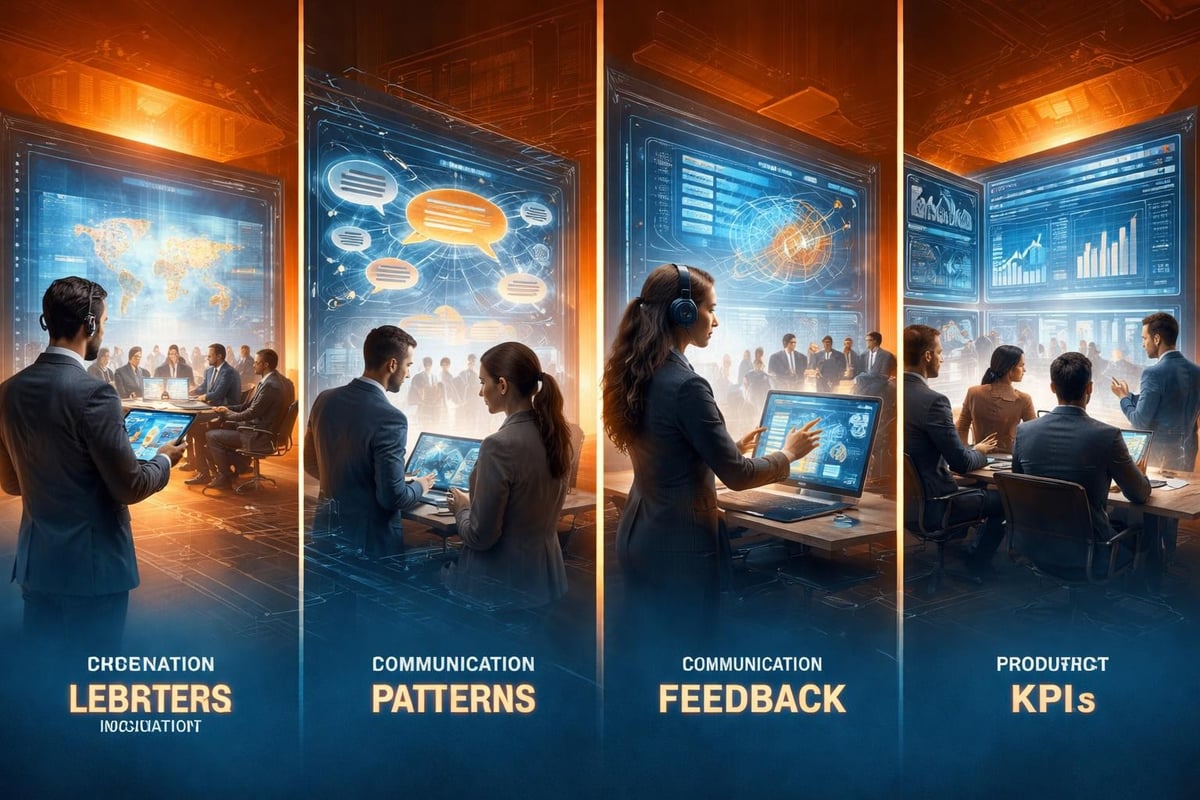
Measuring Executive Coaching Through Business Outcomes
The executive coaching industry has become a top organizational investment precisely because companies demand measurable returns. Traditional coaching engagements often struggle to demonstrate clear ROI, but linking coaching objectives to business KPIs transforms the entire relationship.
Connecting Leadership Growth to Key Performance Indicators
Effective coaching programs establish baseline metrics before engagement begins and track progress against specific organizational goals. This data-driven approach ensures accountability on both sides of the coaching relationship.
| Business Metric | Coaching Focus Area | Typical Improvement Timeline |
|---|---|---|
| Decision velocity | Decisiveness frameworks | 60-90 days |
| Employee retention | Manager coaching skills | 90-180 days |
| Cross-functional alignment | Communication protocols | 30-60 days |
| Revenue per employee | Execution clarity | 120-180 days |
This structured approach aligns with best practices in executive coaching, which emphasize collaboration, authenticity, and measurable progress throughout the engagement.
Core Competencies Developed Through Executive Coaching
An executive coach focuses on specific capabilities that drive organizational performance. Rather than addressing generic leadership concepts, targeted coaching develops skills directly tied to business challenges facing mid-market companies and Fortune 500 divisions.
Decision-Making Under Pressure
Leaders often delay critical decisions due to incomplete information or fear of making the wrong choice. Executive coaching builds frameworks for evaluating options quickly, understanding acceptable risk levels, and communicating decisions clearly to stakeholders. For companies exploring whether coaching is a waste of time and money, the answer lies in this type of specific, measurable skill development.
Building Managers Who Coach
The multiplier effect of leadership development occurs when senior leaders learn to coach their direct reports effectively. This capability transforms organizational culture, creating accountability at every level and reducing dependency on external consultants over time.
- Identify coachable moments in daily interactions
- Ask powerful questions instead of providing immediate answers
- Create space for team members to develop solutions
- Hold people accountable to commitments with clear consequences
- Celebrate progress and learning from failures

Emerging Trends Shaping Executive Leadership Development
The coaching profession continues to evolve in response to trends shaping executive coaching and leadership development, including artificial intelligence integration, cultural sensitivity, and mental resilience focus. Understanding these shifts helps organizations select coaching approaches that remain relevant.
Hybrid Work Demands New Leadership Skills
Remote and hybrid environments require different communication strategies than traditional office settings. Executive coaching now addresses virtual presence, asynchronous decision-making, and maintaining team cohesion across distributed locations. Leaders need practical tools for building trust and accountability when face-to-face interaction is limited.
Linking to Broader Accountability Systems
Executive coaching delivers maximum value when integrated with comprehensive accountability frameworks. Resources like AccountabilityNow provide systems and tools that complement coaching engagements, helping leaders maintain progress between sessions and track commitments organization-wide.
Selecting the Right Executive Coach for Your Organization
The coaching market has expanded rapidly, creating both opportunities and challenges for companies seeking qualified partners. Research from leading executive coaches reveals core philosophies and capabilities that distinguish truly effective practitioners.
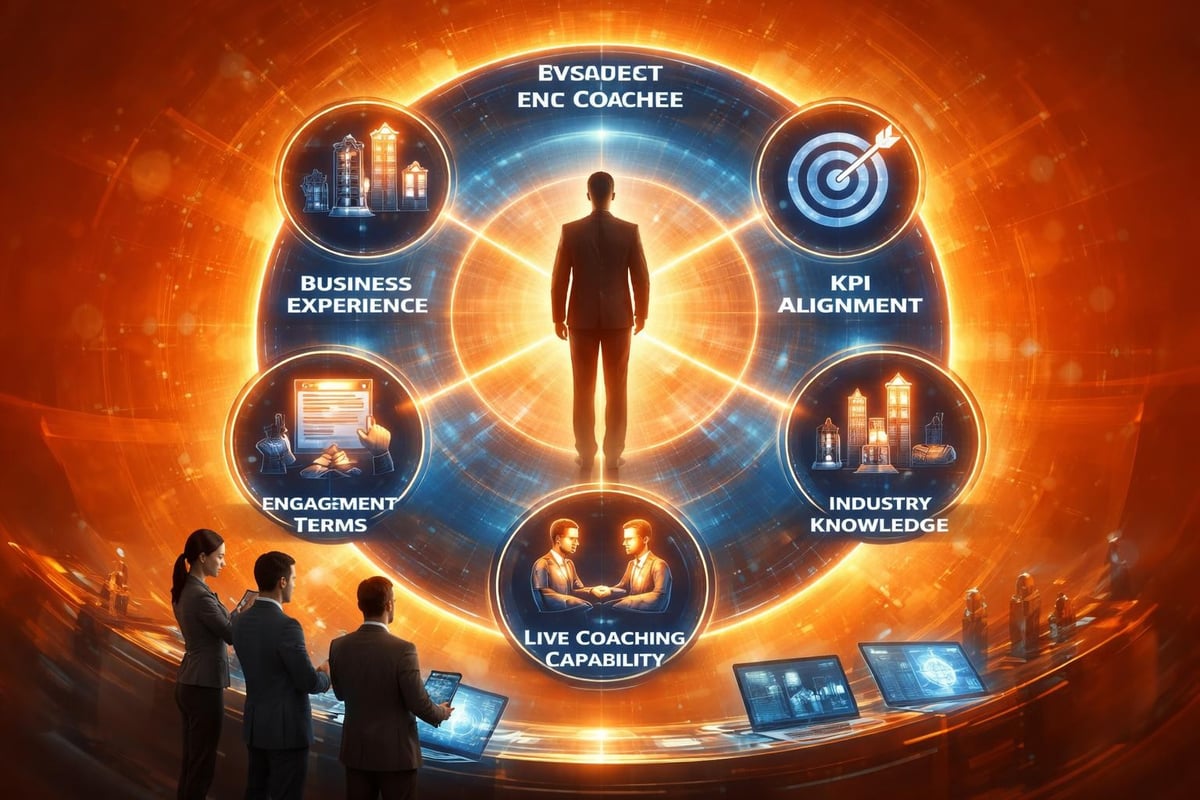
Evaluation criteria for coaching partners:
- Business experience: Understanding of P&L management, organizational dynamics, and operational challenges
- Engagement flexibility: Month-to-month terms rather than long-term contracts that lock in commitment
- Results orientation: Clear KPIs tied to coaching objectives with regular progress reviews
- Live interaction capability: Willingness to participate in actual business meetings, not just scheduled coaching sessions
- Industry relevance: Experience working with companies in similar size ranges and market positions
Organizations seeking executive coaching in specific regions or broader geographical areas benefit from platforms that connect them with qualified coaches who understand their unique contexts.
Implementation Models That Drive Sustainable Change
The structure of coaching engagement significantly impacts outcomes. Companies achieve different results from one-time assessments, ongoing development relationships, and intensive transformation programs. Understanding six core principles of leadership coaching helps organizations design effective programs.
360 Assessments as Coaching Foundation
Comprehensive feedback from peers, direct reports, and supervisors provides an objective starting point for executive development. When combined with operating cadence reviews and KPI scorecards, these assessments reveal specific behaviors that either accelerate or impede business results. Organizations working with leadership coaches typically begin engagements with structured assessment processes.
Team Coaching and Facilitation
Individual executive coaching creates value, but team-based interventions often deliver faster organizational impact. When an executive coach facilitates leadership team sessions, they address group dynamics, communication patterns, and collective decision-making processes that no individual coaching engagement can solve.
| Coaching Approach | Best Use Case | Typical Duration |
|---|---|---|
| Individual executive | New role transitions, specific skill gaps | 3-6 months |
| Team facilitation | Alignment issues, cultural transformation | 6-12 months |
| Live meeting coaching | Execution problems, accountability gaps | Ongoing |
| Assessment-based | Baseline establishment, promotion readiness | 1-2 months |
Risk-Sharing Models in Corporate Coaching
Forward-thinking coaching firms recognize that their success should align with client outcomes. Risk-sharing arrangements tie coaching fees to measurable business improvements, ensuring both parties remain focused on results rather than billable hours.
These aligned incentive structures represent a significant departure from traditional consulting models. When coaching firms share financial risk, they demonstrate confidence in their methodology and commitment to client success. This approach has gained traction as organizations demand greater accountability from external partners.
Effective executive coaching transforms leadership capability through practical, measurable interventions tied directly to business outcomes. By focusing on live coaching, clear KPIs, and flexible engagement terms, organizations build stronger leaders while maintaining full visibility into results. Whether you need help developing managers who coach, improving decision velocity, or strengthening team accountability, Noomii Corporate Coaching delivers practical solutions that drive measurable business impact without long-term contract commitments.



Leave a Reply
Want to join the discussion?Feel free to contribute!